
Ethiopia can feel like several countries in one. You can drink coffee in a busy capital, then wake up among mountain cliffs, then end the week staring at churches carved from stone.
This complete travel guide to Ethiopia for first-time visitors keeps things simple. Ethiopia is big, many places sit at high altitude, and travel times often run longer than maps suggest. A smart first trip focuses on a few areas and builds in breathing room.
Below you'll get the basics (best time to go, visas, safety, health, money, and transport), plus an easy 7 to 10 day route built around Addis Ababa, Lalibela, the Simien Mountains, and an optional Danakil add-on.
Plan your trip basics, best time to visit, visa, safety, and health
When to visit Ethiopia, weather by region, and festival timing
For most first-time visitors, October to March is the easiest window. Roads are drier, skies are clearer, and trekking conditions improve in the northern highlands. In March 2026, you're still in the tail end of the usual dry season, so you'll often get good visibility and fewer weather delays.
June to September is the main rainy season in the highlands. Travel can still work, but muddy roads and flight changes become more likely. Meanwhile, the highlands (Addis, Lalibela, Gondar, Simien) can feel surprisingly cool at night even in dry months. Pack for warm days and cold evenings.
Lowland areas flip the script. Places like the Danakil Depression can be dangerously hot, and the heat isn't a "tough it out" problem, it's a planning problem.
If you want festivals, Timkat (January) and Meskel (late September) draw big crowds. Book flights and top hotels early around major holidays.
Entry rules, visas, and documents to have ready
Many travelers use an e-visa or get a visa on arrival at Addis Ababa Bole International Airport, depending on nationality (common for many US and EU travelers). Visas often come in 30 to 90 day options, and fees can change, so confirm the latest right before you book and again before you fly.
Have these ready so arrival feels smooth:
- A passport with solid validity (aim for 6 months or more).
- Printed hotel details and a rough address list.
- Return or onward plans (even a placeholder booking helps).
- A couple of spare passport photos (not always required, often useful).
- Digital and paper copies of your passport and visa stored separately.
Airlines sometimes apply their own document checks. Reconfirm requirements close to departure.
Safety, common scams, and how to stay aware without stressing
Ethiopia's situation can shift by region. As of March 2026, treat planning as "check daily, don't assume." Look up current government travel advisories before you leave, then ask your hotel what routes feel normal that week.
In Addis Ababa, basic street smarts go a long way. Use registered taxis or reputable ride options when available, keep your phone secure in crowds, and avoid flashing cash. If someone pressures you to "help" at an ATM or exchange, step away and reset.
Some remote areas work best with a guide, and sometimes a scout is required. For example, the Simien Mountains typically involve park rules and an armed scout as part of the setup.
A good rule in Ethiopia is to plan your day, then confirm it again over breakfast with someone local.
Health prep, vaccines, malaria, altitude, and water safety
Book a travel clinic visit before you go. Many travelers are advised to consider Hep A, Hep B, and typhoid. Yellow fever rules depend on where you're arriving from, and rabies shots can make sense if you'll be rural or around animals.
Malaria risk is higher in lowlands and often lower in higher-elevation areas, so ask about prophylaxis based on your exact route. Addis Ababa sits at altitude, and that first day can feel like you're breathing through a straw. Take it easy, hydrate, and keep alcohol light at first.
For food and water, stick to bottled or filtered water, wash hands often, and choose busy restaurants where food turns over quickly.
Build your first itinerary, must-see places, and a simple 7 to 10 day route
Addis Ababa, the easiest landing spot for history, culture, and day trips
Plan 1 to 2 nights in Addis on arrival. It gives you time to recover, sort cash, grab a local SIM, and confirm domestic flights. That small pause can save hours later.
Start with the National Museum to see "Lucy," then add Holy Trinity Cathedral for history and architecture. For a city view and cooler air, head up toward Entoto. If you want an easy, organized visit that feels comfortable for families or first-time Africa travelers, Unity Park is a solid choice.
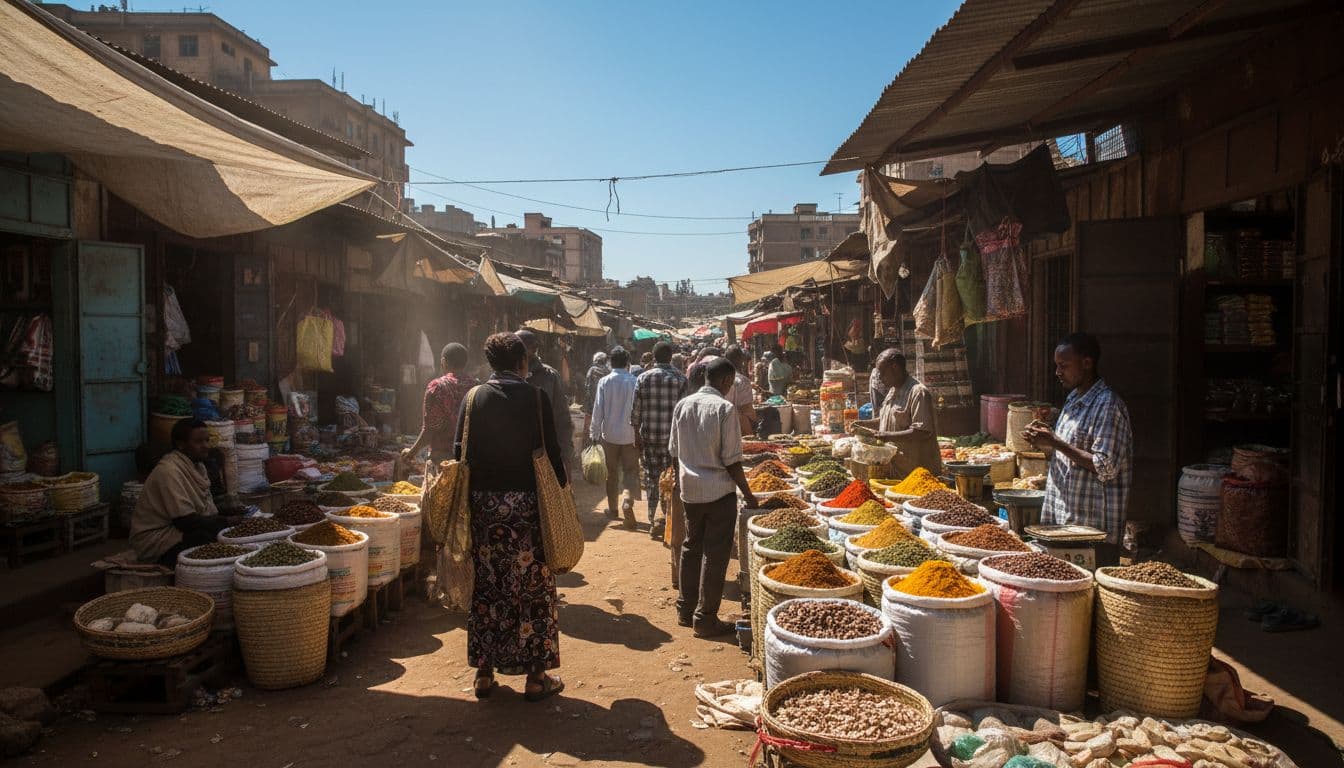
A coffee ceremony is also a must. It's not just a drink, it's a slow rhythm. After long travel days, that pause feels like resetting your brain.
 ### The Northern Circuit highlights, Lalibela, Gondar, Lake Tana, and the Simien Mountains
The classic first trip is the Northern Circuit, and it works because each stop has a clear "why."
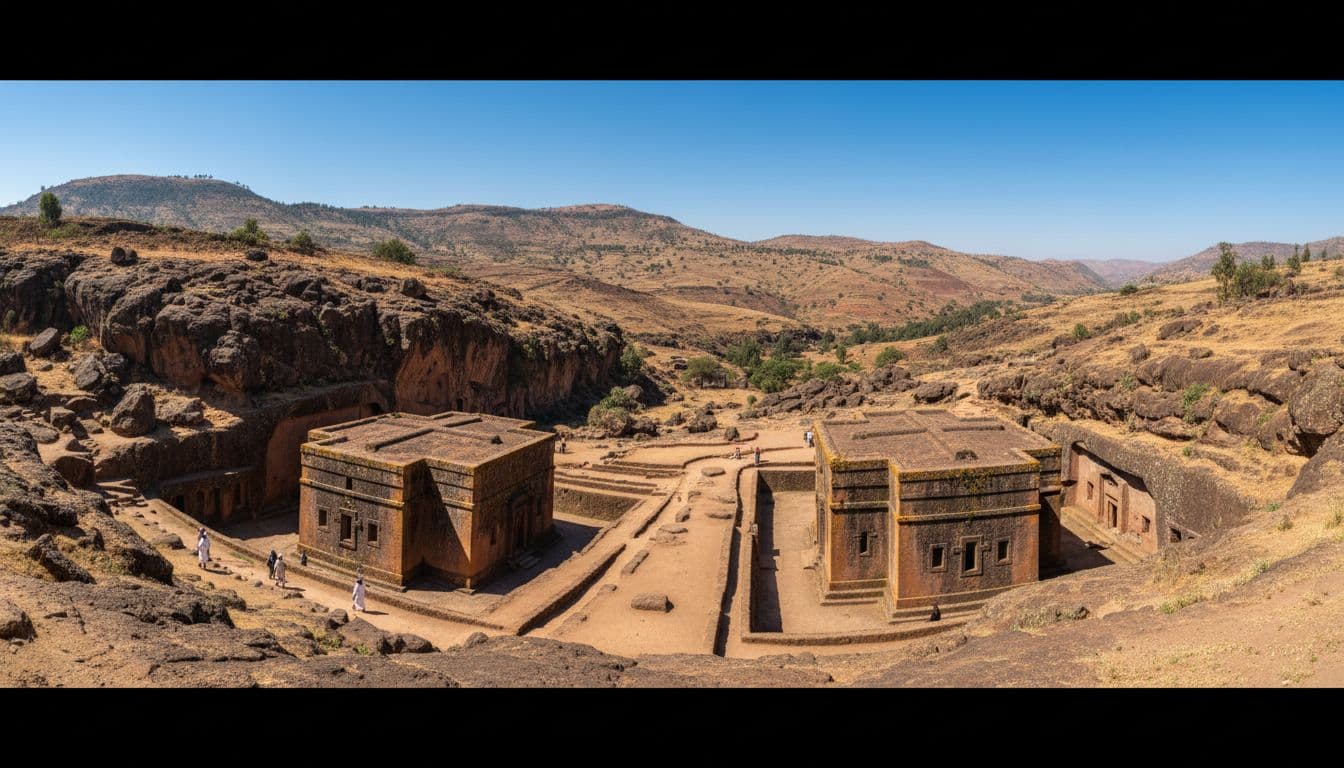
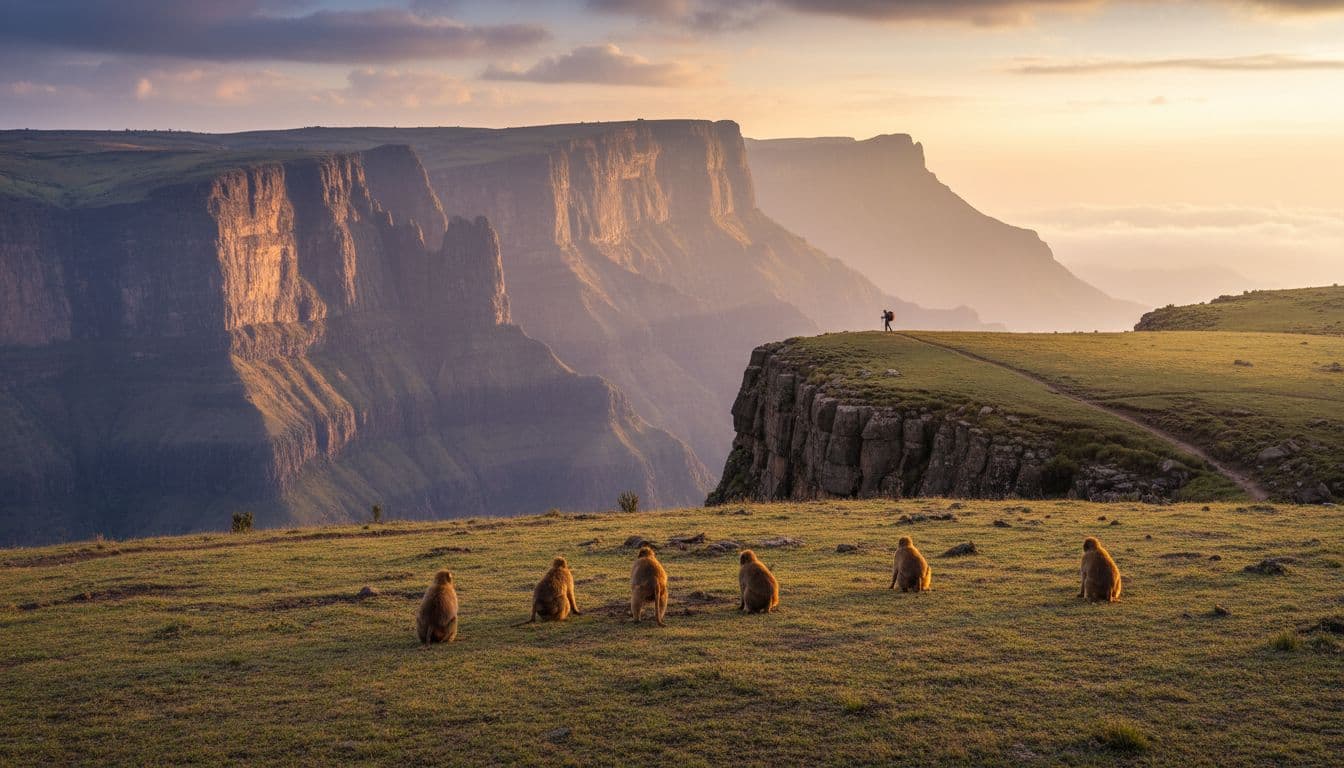
Lalibela is all about the rock-hewn churches, carved down into the earth like architecture turned inside out. Gondar adds castles and royal history. Bahir Dar and Lake Tana bring boat trips to island monasteries, and the Blue Nile Falls can be worth it when water levels and access cooperate. Then the Simien Mountains deliver dramatic escarpments, fresh air, and wildlife like geladas.
Domestic flights can save your trip. Roads can be slow, and long drives stack up fast. If you're short on time, fly between Addis, Bahir Dar, Gondar, and Lalibela, then use local drivers for day trips. In the Simiens, plan for the usual park setup, which often includes an armed scout and required local support.
 ### Optional adventure add-on, Danakil Depression, what it's like and who should skip it
Danakil is raw and intense. Expect extreme heat, basic camping, and guided 2 to 3 day tours. People go for Erta Ale's volcano and the surreal colors around Dallol, usually by 4WD convoy with a reputable operator. It's not a casual add-on, and it's not where you want to "figure it out as you go."
Skip it if:
- You struggle in heat or have health concerns made worse by heat.
- Your schedule is tight and you can't afford delays.
- You prefer comfortable hotels and easy logistics.
A gentler swap is adding nights in Addis or the north, or slipping in a southern lake town like Awassa if your flights and time allow.
Sample 7 to 10 day Ethiopia itinerary for first-time visitors
Here's a realistic structure that keeps the pace manageable:
- Days 1 to 2: Addis Ababa (museum, cathedral, coffee, logistics day)
- Day 3: Fly to Bahir Dar (Lake Tana boat trip)
- Day 4: Gondar (castles and historic sites)
- Days 5 to 6: Simien Mountains (short trek or scenic hikes with park team)
- Day 7: Fly to Lalibela
- Day 8: Lalibela (churches, plus a slower afternoon)
- Days 9 to 10: Optional Danakil, or a buffer day and return to Addis
Two rules keep stress low: build one buffer day for flight or road changes, and don't move every single day if you want a calmer trip.
Getting around, costs, money, packing, and cultural etiquette that helps you fit in
Transportation in Ethiopia, flights vs minibuses vs private drivers
Domestic flights are the fastest way to cover the northern route, especially in peak season. Book key legs early and double-check luggage limits, since smaller allowances can surprise first-timers.
Minibuses cost less, but they can be crowded and slow. A private car with a driver costs more, yet it's often easier for comfort and for safer night arrival planning. For Simien and Danakil, organized tours or structured park logistics usually make the most sense.
Money, budgets, and paying for things day to day
Ethiopia uses the Ethiopian Birr (ETB). ATMs are most reliable in larger cities like Addis Ababa, and card acceptance drops fast outside major hotels. Bring some USD or EUR cash for exchange, and keep small bills for tips and markets.
Daily costs vary by style, but a practical range for many first-time visitors is budget travel at about $50 to $90 per day, and mid-range travel at about $100 to $200 per day, before big extras. The biggest trip costs tend to be domestic flights, multi-day trekking support, and Danakil-style tours.
What to pack and what to wear, from highland nights to hot lowlands
Think in layers. Bring a light base layer, a warm evening layer for highlands, and comfortable walking shoes (or hiking boots for Simien). Add sun protection, a simple rain shell in shoulder months, a power bank, and plug adapters (Type C and F are common). Insect repellent and basic meds help, and a scarf or modest wrap makes church visits easier.
Keep valuables simple. A crossbody bag that zips beats a back pocket every time.
Food and cultural etiquette, coffee ceremonies, church rules, and photo manners
Ethiopian food is hearty and social. Try injera with stews (doro wat is a classic), tibs, and the many lentil and veggie dishes that make eating well easy. Coffee culture runs deep, so say yes when someone offers a ceremony.
Use your right hand for eating or greeting when possible. Dress modestly at religious sites, remove shoes where required, and ask before photographing people. If you don't love heat, request milder dishes and go easy on extra berbere until you learn your comfort level.
Conclusion
A great first trip to Ethiopia comes from a few smart choices: travel in the easier weather window (often October to March), confirm visa rules and current advisories right before departure, and build a north-focused route with a buffer day. Decide early whether Danakil truly fits your time, health, and comfort level.
Most importantly, slow down enough to enjoy the small moments, especially coffee ceremonies and conversations. Hire local guides when needed, follow local updates, and let Ethiopia surprise you in the best ways.