Sunday, August 17, 2025

French Embassy Employee Arrested in Mali


French Embassy Staff Member Detained in Mali

French Embassy Employee Arrested in Mali

Arrest of French Embassy Employee in Mali Surprises Many

Mali made headlines around the world when news surfaced that local authorities took a French Embassy staff member into custody. For many, this was totally unexpected. Typically, employees working for foreign embassies enjoy respect and a layer of protection, so this event sent shockwaves through both Mali and France. Both countries have a long record of cooperation, so this incident felt out of place.

Understanding the Role of the French Embassy in Mali

The French Embassy in Mali serves as France’s official office in the country. Embassies help keep relationships steady between two nations. They assist with visas and documents, offer services to French citizens abroad, and provide a safety net for those who need help when far from home. From lost passports to personal emergencies, embassy staff are often the first point of contact for citizens abroad.

Employees at embassies are commonly called diplomats or embassy staff. Their main work is to represent their home country, assist their lives abroad, and keep lines of communication open. They’re not there to create problems or break laws. That’s why people were so surprised to learn that a staff member landed in police custody in Mali.

When the Arrest Happened

Reports say the French Embassy worker was going about regular tasks when the arrest took place. Police arrived unexpectedly and detained him on the spot. The reasons stayed unclear at first, and there was very little information made public. Family, friends, and colleagues shared concern, while many wondered if any wrongdoing had actually happened.

French officials responded quickly, stating the accusations were “unfounded.” In plain words, this means there is no solid evidence backing the claims. France made it clear they believed the arrest was not fair and demanded their employee’s prompt release.

France’s Response: Calling for Fair Treatment

Leaders in Paris did not wait long to address the situation. The French Foreign Office described the allegations as baseless and insisted no real proof existed. They demanded the Malian government let the embassy worker go and reminded them that diplomatic staff are supposed to be protected under international agreements—these rules help embassies function safely everywhere.

France urged Mali to look after the welfare of foreign staff and emphasized the risks that come from actions like this arrest, which can put international relationships under stress.

Long-standing Ties Between France and Mali

France and Mali have connected deeply across history, with ties dating back many decades. They share language, culture, and key political and economic interests. While certain periods have not been free from problems, both countries usually aim to work together for stability and progress.

Arresting a foreign embassy worker is rare and immediately creates tension between two countries. These workers carry a degree of legal protection under treaties from groups like the United Nations. Detaining them disrupts routine diplomatic life, especially when disputes typically get resolved through discussion instead of detention.

Statements from the French Foreign Office

French foreign officials stayed strong in their messaging. They repeated that their employee committed no crime and should not remain in custody. Officials also warned that holding an embassy worker like this could damage trust and peace between the two countries. They stressed the importance of communication and respect to fix the situation.

French leaders said they would keep fighting for their staff’s rights and work to keep their team safe in Mali. The French message was clear: this was unacceptable and a solution had to come soon.

The Mali Government’s Position

Mali and France Relations

So far, Mali’s government provided little information about why the arrest took place. Some reports mentioned suspicions, but none offered clear proof. The lack of solid facts brought criticism and frustration, both within Mali and in France. Many ordinary people in Mali have jobs connected to French businesses, so they hope for a swift, peaceful resolution.

News outlets in the region covered public opinion, highlighting that most Malian citizens want continued good relations with France. The public wants calm, diplomatic solutions—not more conflict.

What Leads to False Accusations?

In situations like this, mistakes or misunderstandings can quickly spiral. Sometimes hearsay or poor communication results in someone being blamed without real evidence. While these things can happen between individuals, the issue grows much bigger when entire countries are involved. This is why facts matter and why governments often urge patience and thorough investigation before any drastic decision is made.

False claims can seriously affect not only those accused but also their colleagues and families. In some cases, it erodes goodwill and trust between countries, making it harder to cooperate in the future. For this reason, leaders from both nations have called for a fair review and an end to the ordeal.

The Impact on French-Malian Relations

Each side knows how much is at stake. France has long operated embassies and consulates in African countries, including Mali, and values strong ties in the region. For Mali, French support has meant trade, education, infrastructure, and more. Both countries want to avoid damaging these advantages.

Political observers and regular citizens agree that this arrest caused unease. Embassies worldwide rely on protection for their workers. If that expectation crumbles, it puts everyone working in foreign service at risk, no matter the country.

Trouble between countries quickly spills over to all kinds of everyday business, including trade and tourism. French and Malian communities both inside and outside the two countries have a stake in seeing things quiet down and friendships restored.

Calls for Dialogue

Many diplomats and experts stressed the value of calm negotiations over rash reactions. Solving disputes through open conversation keeps relationships stable and prevents things from getting worse. France and Mali have solved past issues by talking and listening. People on both sides now hope the leaders stick to that pattern.

There have been quiet meetings, official protests, and carefully worded statements. French authorities have tasked high-level officials with ongoing talks to keep dialogue open.

What Happens Now?

Right after the arrest, the French government said it would use every possible step to keep its staff member safe. The embassy in Mali called for cooperation, reminding officials in Bamako, the capital, that international agreements give diplomats certain protections. France asked Mali to stand by these promises and allow the employee to return to work or go home without delay.

If the two countries solve this through direct discussion, things will likely calm down quickly. But if the situation drags on, the friendship could be damaged for much longer.

A Closer Look at Embassy Work

Embassies exist to provide vital support for people living or traveling far from home. They help citizens during emergencies, act as a link between two governments, and encourage positive ties in many areas like culture and business.

Embassy staff are trained to solve problems and handle issues that come up in another country. Most of the time, their work goes unnoticed by the public and press. So when a story like this breaks, it’s a sharp reminder of how important and sometimes risky their work can be.

Why Embassies Must Be Protected

International law shields diplomats and embassy workers from arrest or harassment so they can do their jobs without fear. This protection is not just a courtesy, it’s a rule agreed to by nearly every country. If one country ignores that rule, it puts all embassies everywhere at risk.

That’s why countries like France react loudly and firmly if this rule seems broken. Letting embassy staff do their jobs safely helps keep international connections open.

What Regular People Think

Many people in Mali saw the arrest as confusing and worrisome. Local business owners, teachers, and families know that strong France-Mali ties mean more jobs, more chances for education, and improved lives. Some in France with family ties to Mali also feel unsettled. Tales of embassy trouble spark bigger worries about travel, safety, and trust.

If this can happen without warning, people wonder, what’s the next step? If governments step in and fix things, confidence will start to recover, and cross-country friendships will survive.

The Broader Picture: Safety and Trust

Daily life depends on quiet cooperation between countries. From travelers needing help abroad to students moving for school, embassy staff play a huge role. When staff can’t safely carry out their work, it hurts thousands of people in small and big ways.

International agreements exist to take politics out of personal help. By standing up for their staff, France is also standing up for everyone who counts on protection far from home.

How Both Countries Can Move Forward

For now, the focus stays on patient, respectful talks. If France and Mali can resolve this problem, it will strengthen trust and allow both sides to keep cooperating. If not, the risk grows for more arguments or even closed embassies.

Mistakes happen, but nations have built ways to fix them. By focusing on facts, staying calm, and keeping doors open for discussion, both France and Mali can move past this bump in their shared story.

The Takeaway for Readers

Cases like this remind everyone how quickly unexpected problems can strain even the best relationships. Trust and clear communication matter, for countries and for individuals. Embassies may seem distant, but their work shapes the travel, study, and business chances many people depend on.

For people in the UK, Canada, the United States, and Australia watching from afar, this story is a powerful lesson. It shows the value of facts, the danger of false claims, and the need for strong rules. It’s a real-world example of why respect and cooperation count, every day.

Why this Story Matters to Families and Kids

Kids and families can learn a lot from stories like this. Mistakes can happen, but taking time to check facts helps prevent unfair blame. When countries argue, peace and calm talks bring better results than anger or quick punishments.

Embassy workers look out for families and travelers in need. That’s why their safety is so important. If someone abroad loses their passport, faces an emergency, or needs support, embassy staff are there to help. That’s good news for anyone who might need help on a trip or living overseas.

What Happens Next?

French officials promise to keep pushing for their employee’s freedom. Leaders in both France and Mali know the world is paying attention. The next steps depend on the conversations happening behind the scenes. Both countries have the experience to solve this quietly and fairly.

If France and Mali handle this issue carefully, peace and cooperation can bounce back. Both sides have every reason to choose that path. That way, businesses, families, and friends in both countries can keep building connections and memories. Everyone hopes for this positive outcome.

Final Thoughts

No one wins when misunderstandings or mistakes spin out of control. The hope is that leaders will share facts, act with respect, and keep everyone’s best interests in mind. For readers looking on, this is also a useful reminder: when traveling or living far from home, embassies are a reliable safety net.

Their real job is to look out for people, fix problems, and keep everyone safe. For this reason, countries—and regular people—should always support the rights and safety of embassy staff, no matter where they are.


If you want to know more about how embassies help or want to follow updates, check official news from trusted outlets and government channels. In challenging times like these, respect, honesty, and patience really do make the difference.

Benjamin Marcelo Guerrero Cruz Dog Story What Happening

Benjamin Marcelo Guerrero Cruz Dog Story: What’s Happening

Benjamin Marcelo Guerrero Cruz Dog

Dogs have a special place in many people’s hearts. Their loyalty, joy, and energy lift spirits and fill moments with laughter. Benjamin Marcelo Guerrero Cruz shares this love for dogs in his daily life. His deep connection with his dog stands out and inspires animal lovers everywhere. This story looks at how Benjamin’s relationship with his dog highlights the ways a pet can brighten anyone’s life, wherever you are—in the UK, Canada, the US, or Australia.

About Benjamin Marcelo Guerrero Cruz

Benjamin Marcelo Guerrero Cruz is a kind-hearted dog lover who lives every day focused on his furry friend. Neighbors, friends, and family describe him as gentle and warm. He is always eager to help animals and spends much of his free time making sure his dog feels loved, safe, and healthy. People trust Benjamin because of his positive attitude with pets and his willingness to share advice about dog care.

Benjamin and His Dog: A Close Bond

Benjamin’s dog isn’t just a pet, but a real companion. This dog lights up every room with boundless enthusiasm. It’s playful, clever, and always eager for attention. The moment Benjamin walks through the door, his dog rushes over, tail swinging wildly, eyes sparkling with excitement. These moments remind Benjamin how rewarding it is to share your life with a loyal animal.

Their daily routines bring both comfort and happiness. Each morning, Benjamin’s dog waits by the window for him to appear. The reunion is always filled with tail wags and cheerful barks. Benjamin believes that dogs like his brighten the world one little moment at a time.

Why People Feel Connected to Dogs

Many people, just like Benjamin, feel a bond with dogs. Across the US, UK, Canada, and Australia, dogs are known for their friendliness and loyalty. They offer comfort, companionship, and joy. When times get tough, a dog’s affectionate nudge or cheerful play can ease worries and lighten moods. Families often say their dog helps them connect better with each other because the pet draws everyone together for play, walks, and simple fun.

Daily Dog Care: Benjamin’s Approach

Benjamin’s care routines set a good example for anyone hoping to keep their dog happy and healthy. Here’s a closer look at how he does it:

  • Nutrition: Benjamin feeds his dog a balanced diet with nutritious foods like lean meats, rice, and special dog kibble. He knows good nutrition helps dogs stay playful, maintain shiny coats, and avoid illness.
  • Clean Water: He always keeps fresh water available. Hydration is just as important for dogs as it is for people.
  • Hygiene: Regular baths are a must in his home. Benjamin uses pet-safe shampoos and brushes his dog’s fur to keep it soft and clean.
  • Exercise: Benjamin believes every dog needs daily fun and movement. Trips to local parks, games of fetch, and long walks give his dog plenty of chances to burn energy and stay fit.
  • Vet Visits: He schedules regular check-ups with a trusted vet. These visits help spot health issues early and keep his dog protected with proper vaccines.

The Needs of a Happy Dog

Benjamin has learned that meeting a dog’s basic needs lays the foundation for a strong relationship. He focuses on these essentials:

  • Good Food: Balanced meals packed with nutrition keep dogs energetic.
  • Clean Water: Fresh water helps prevent health problems.
  • A Safe Space: Dogs need a cozy bed, away from drafts and noise.
  • Friendly Company: Dogs are social and crave attention from people or other pets.
  • Daily Exercise: Walks, runs, and playing chase in the yard are all favorites.
  • Affection: Hugs, scratches, and kind words make a world of difference.

His dog enjoys all these things, which shows in its good health and friendly nature.

Dogs: Lifelong Friends

People call dogs “man’s best friend” for good reasons. Their loyalty never waivers. Benjamin’s dog sticks by his side, whether he’s happy, busy, or feeling a little low. The unconditional love a dog offers has no strings attached. That constant support isn’t lost on Benjamin. He knows his time, care, and attention are repaid every day by the friendship his dog gives.

Dogs often sense their owners’ feelings. When Benjamin seems down, his dog will sit quietly beside him. When he’s excited, his dog spins in circles and barks for joy. Their closeness proves how deeply pets can affect our everyday lives.

Fun Activities Shared Together

Benjamin makes sure his dog’s life is filled with exciting activities:

  • Games in the Park: He loves taking his dog to open spaces where they throw a ball, run along grassy patches, and share a playful chase.
  • Walks in Nature: Early mornings or late afternoons are the perfect time for walks. These adventures open up new smells and sights for the dog to explore. Benjamin often spots his dog admiring flowers, greeting birds, or sniffing the fresh breeze.
  • Learning Tricks: Benjamin teaches his dog to sit, stay, and shake hands. These simple commands help his dog stay sharp while making training sessions fun. Every time his dog learns a new trick, Benjamin rewards it with treats and lots of praise.
  • Relaxing Together: Not every moment is filled with play. Sometimes, Benjamin and his dog simply relax on the couch, enjoying each other's company after a long day.

Through these activities, their trust and friendship deepen.

Dogs and Children

Dogs make wonderful companions for kids. In Benjamin’s community, families often share how much their children love dogs. Having a pet teaches children responsibility and kindness. Benjamin’s dog is especially gentle around children, always careful during play and quick to offer a friendly nuzzle or tail wag. The positive bond between dogs and young people can help build confidence and empathy.

Benjamin sometimes invites friends or neighbors over so the kids can join in on games of fetch or help teach the dog a new trick. These moments are full of laughter and learning for everyone.

Keeping Dogs Healthy and Happy

Benjamin encourages others to care for their pets in the same way he cares for his own dog. Here are some simple steps:

  • Provide wholesome meals and fresh water every day.
  • Go for regular walks in parks or quiet streets.
  • Keep your pet clean with gentle baths.
  • Visit the vet whenever you notice anything odd.
  • Make time for lots of play and togetherness.

Healthy pets are more likely to have a long, active life and fewer health issues. Benjamin’s dog rarely gets sick because he follows these routines without fail.

Interesting Dog Facts

Dogs are clever, funny, and full of surprises. Here are a few facts that Benjamin often shares with his friends:

  • Dogs can detect smells thousands of times better than humans can.
  • Their hearing is sharp, easily picking up sounds from far away.
  • Dogs dream just like people do, sometimes twitching paws or making soft sounds in their sleep.
  • Some breeds can run at impressive speeds, almost as fast as a speeding bike.
  • Most dogs crave attention and companionship, and they don't like spending long hours alone.

Benjamin loves sharing these facts while walking his dog, hoping to inspire more people to appreciate their own pets.

Dogs as Family Members

To Benjamin, his dog isn’t just a pet—it’s part of the family. When he returns home from work or a walk, his dog is always there, ready with an eager greeting. The house feels warm and lively, thanks in part to the presence of a happy, healthy pet.

By calling his dog a best friend, Benjamin shows how deeply connected he feels. This isn’t unique to him; people across the UK, US, Canada, and Australia widely see their dogs as another family member who adds love and laughter to daily life.

Challenges and How Benjamin Overcomes Them

Of course, caring for a dog also means handling challenges. Sometimes Benjamin has to deal with muddy paws on clean floors or chewed-up shoes. On rainy days, his dog might get restless without a long walk. At times, the dog may get a minor injury or feel unwell.

Whenever something goes wrong, Benjamin handles it with patience. He wipes muddy paws, uses safe chew toys, and finds indoor games to keep his dog entertained. When it comes to health issues, he calls his vet and seeks trusted advice. These moments aren’t always easy, but Benjamin finds that the rewards of having his loyal dog far outweigh any small bumps in the road.

The Importance of Routine

Benjamin sticks to a reliable daily routine with his dog. This helps the dog feel secure. Dogs often thrive when life follows a regular rhythm—mealtimes at the same hour, daily walks in familiar places, and rest at night on a cozy bed. This reliability keeps a dog calm and happy, something pet experts often recommend for owners who want a stable and friendly dog.

Building Trust with Your Pet

Benjamin often says trust is the heart of his relationship with his dog. Over time, he has shown his pet that he is consistent and gentle. Little things help—giving treats for good behavior, never shouting, and always being patient when the dog makes a mistake.

When training or handling his dog, Benjamin uses a low voice and clear signals. He chooses positive words and rewards instead of punishment. His dog feels safe and confident around him, which leads to fewer problems and more good memories.

Special Stories: Unforgettable Moments

Some days are more memorable than others. Benjamin recalls a time his dog found a lost ball in a neighbor’s yard and brought it back, tail high with pride. Another time, the dog alerted him to a small animal hiding under the porch, barking until Benjamin came to help.

Family birthdays or get-togethers always include the dog. Benjamin’s pet often wears a festive hat and “joins in” the celebrations, drawing laughs and cheers from everyone.

Impact on Benjamin’s Well-being

Benjamin often tells friends how much his dog improves his life. Dogs can reduce stress, encourage regular exercise, and fill lonely hours with companionship. For Benjamin, daily walks give him a reason to get fresh air and meet others in the community. He says his dog has helped him form friendships with other pet owners, growing his social life and creating a network of support.

Advice for Dog Owners in the UK, US, Canada, and Australia

No matter where you live, Benjamin believes that dogs bring something special to every household. He shares a few key points for others who want the same positive bond with their pets:

  • Prioritize your dog’s health and happiness as much as your own.
  • Spend regular time together, even if it’s just a few minutes of petting each evening.
  • Choose balanced meals that suit your dog’s age and breed.
  • Make sure there is always clean water available.
  • Don’t skip trips to the vet, even for basic check-ups.

Being a Responsible Pet Owner

Benjamin takes his responsibilities seriously. He never lets his dog roam free near streets, and he keeps up with important things like dog tags and vaccines. In parks, he uses a lead when needed and always cleans up after his dog. He also respects neighbors by training his dog to bark less and play gently.

Being responsible means thinking ahead. When Benjamin is on holiday, he arranges trusted care for his dog or brings it along if possible.

The Joy of Adoption

Benjamin encourages others to consider adopting dogs from shelters or rescue groups. He believes many loving pets are waiting for a second chance. By adopting, you gain a companion and give a dog a new lease on life.

Adoption stories touch hearts in all corners of the world. Benjamin often reminds people that every dog, regardless of past hardships, can flourish in a caring home.

Dogs Beyond Companionship

Benjamin has seen how dogs support people in many ways. Service dogs help those with disabilities, therapy dogs visit hospitals, and rescue dogs save lives after disasters. Even the average family dog provides comfort, stress relief, and joy in small, everyday acts. Benjamin feels honored to share his life with a dog that leaves such a positive mark.

Community and Social Connections

Dogs often help people connect with neighbors and friends. Benjamin meets new faces at local parks, dog-related events, and pet stores. These interactions build a sense of community. People share tips, plan playdates, and swap funny stories about their pets. Owning a dog can turn a stranger into a friend in just a few minutes.

Lifelong Lessons

Over the years, Benjamin has learned valuable lessons from his dog: patience, joy in small things, and the true meaning of loyalty. Dogs remind us to stay active, be kind, and appreciate the present. Benjamin believes everyone, young or old, benefits from the presence of a good dog.

Final Thoughts

Benjamin Marcelo Guerrero Cruz’s story reminds us how powerful the bond between people and pets can be. Dogs ask for simple things—food, clean water, care, and affection—and return love, trust, and happiness in ways that shape our lives for the better. Benjamin’s commitment to his dog shows just how rewarding a thoughtful, caring relationship with a pet can be.

If you have a dog, remember to treat it as Benjamin does: with respect, patience, and plenty of love. The rewards will fill your days with joy and your life with memories worth keeping. In the end, dogs are more than pets—they’re loyal friends and cherished members of the family, making every day richer for everyone lucky enough to know them.

Mallorca vs Barcelona happened | Football News


Mallorca vs Barcelona Which Is Better

Mallorca vs Barcelona is a topic many people talk about when they plan a trip to Spain both places are very popular for holidays and fun, but they are different in many ways so let us learn in a very easy way and then you can decide which place you like more
Mallorca is an island in the islands, and it is full of beaches blue water and mountains it is a place.

 where you can swim play and relax it has many small towns and villages that look very pretty you can see old buildings and cute houses with flowers on the walls the island is very sunny most of the year so many people come here for the sun and the sea if you like to play in the sand and build castles then Mallorca is a good place for you there are many beaches like cala miller and cala door and they are safe for kids there are also water parks and boat rides for families if you like nature you can go to the mountains and see green hills and caves

Barcelona vs Mallorca for Holiday Fun


Now let us talk about Barcelona  is a big city in Spain it is famous for big buildings made by a man named Antoni Gaudi the most famous building is sagrada familia it is very tall and beautiful Barcelona also has a beach but it is not as quiet as the beaches in Mallorca the city is full of life and sound there are many shops restaurants and big streets you can walk and see street artists and musicians if you like football Barcelona is the home of fc Barcelona which is one of the best football clubs in the world many people go to camp nou to watch a match Barcelona is also good for people who like art and museums because there are many places to see paintings and sculptures
so. 

when we compare Mallorca vs Barcelona what do we see Mallorca is calm and peaceful it is for people who love nature beaches and quiet places Barcelona is busy and big it is for people who love cities culture football and fun both places are in Spain but the feeling is very different in Mallorca you can wake up and hear birds and waves in Barcelona you wake up and hear cars people and music

which Bas Better Beaches Mallorca or Barcelona


Mallorca has many beaches with clear blue water and soft sand some beaches are small and hidden some are big and full of life Barcelona has a beach too but it is next to the city and it is more crowded if you like quiet and nature then Mallorca beaches are better if you like a city beach where you can swim and then go to eat or shop then Barcelona is good


Mallorca vs Barcelona is also about what you like to do if you like hiking and swimming and you want to relax then Mallorca is the best if you like to shop eat tasty food and see famous places then Barcelona is the best some people also visit both because the flight from Barcelona to Mallorca is short so you can enjoy both in one holiday


Food is also important in Mallorca you can eat seafood fresh from the sea like fish and prawns you can also eat enramada which is a sweet bread and very famous in Mallorca in Barcelona you can eat tapas small plates of food with many flavors and also churros which are sweet sticks with chocolate both places have very tasty food but Barcelona has more restaurants and many choices
the weather in Mallorca vs Barcelona is also something to think about Mallorca is sunny almost all year but summer can be very hot Barcelona is also warm, but it can rain more than Mallorca so if you want sunshine all day then Mallorca is better


Which one is cheaper Mallorca or Barcelona Mallorca can be cheaper if you stay in small villages and use public buses Barcelona can be more expensive because it is a big city, but you can still find cheap hotels if you book early


So, who wins in Mallorca vs Barcelona the truth is both are winners because both are very nice places it only depends on what you want in your holiday if you want quiet beaches nature and small towns then Mallorca is for you if you want big city lights football art and busy streets then Barcelona is for you.


Why Life in Africa Is Hard: Challenges, Poverty, Politics & Daily Realities in 2025


Why Life in Africa Is So Hard: Understanding the Challenges and Daily Realities

Vast, resource-rich, and brimming with youthful energy, Africa holds a world of promise. Yet, for many living on the continent, daily life is a struggle against deep-rooted obstacles. Millions face a unique mix of hardships, from persistent poverty to frail infrastructure, that shape every day. This post explores the main reasons why life in Africa can be so tough and paints a genuine picture of what perseverance looks like in the face of adversity.

Root Causes of Hardship in Africa

Africa’s complexities defy sweeping statements, but a few major challenges affect nearly every country. For millions, harsh conditions stem from a blend of poverty, ongoing political struggles, and gaps in healthcare and education. Each of these issues feeds into the next, keeping many families from reaching their full potential.

According to the World Bank, over 464 million people across the continent still live in extreme poverty. Fragile economies, ongoing conflict, and a lack of stable governance often make recovery slow.

The Weight of Poverty

Poverty is more than a lack of cash. It shapes the entire way a community lives. In many parts of Africa, low incomes mean families struggle to buy simple necessities. Food insecurity remains a big problem, often forcing parents to skip meals so their children can eat.

A closer look at poverty in Africa reveals communities caught in a cycle:

  • Limited job opportunities
  • Low agricultural output
  • High rates of inflation (causing everyday prices to rise)
  • Debt stress for entire nations

According to the Economic Development in Africa Report 2024, the gap between job creation and a growing youth population is staggering—each year, about 12 million young people enter the workforce, but only 3 million new formal jobs are created. The rest end up hustling in informal markets, where earnings are unpredictable.

Political Challenges

Daily life is shaped as much by politics as by economics. Some African nations face chronic instability, with incidents of conflict and military coups, or suffer under governments riddled with corruption. This kind of instability shakes all other areas of life.

Corruption, according to Chatham House, fuels mistrust and makes it difficult to get basic things done—from road repairs to fair justice. Protests, closed markets, and forced migration are often the result, leaving the most vulnerable exposed to even greater hardship.

Gaps in Healthcare and Education

Good health and strong schools set the stage for better futures, but many African communities lack both. Rural regions, in particular, often experience a shortage of clinics, clean water, and medical staff.

Many children walk miles to reach the nearest school, only to find few teachers and crowded classrooms. Without proper schools, it’s hard to gain the skills needed for higher-paying jobs. According to the United Nations, universal healthcare coverage is still a distant goal, with millions pushed deeper into poverty by the cost of treatment. This means more children die young from preventable diseases, and more adults can’t work due to untreated illnesses.

Daily Realities for Many Africans

Let’s look at how these root issues play out in everyday situations in both city neighborhoods and rural villages.

Black and white photo of a young boy standing in front of a makeshift structure in Kinshasa, depicting urban life and resilience. Photo by Marc NSIKITA

In many African cities, millions of people live in cramped informal settlements, where shelter might be little more than a patchwork of wood and metal. In rural areas, daily routines can be even tougher, shaped by the rhythms of weather and the uncertainties of crop yields.

Struggles with Infrastructure

Basic services many take for granted are a rare luxury in many African regions. Poor roads make it difficult to transport crops to market or get children to school. Unreliable electricity forces families to rely on expensive, polluting fuel sources or do without modern technology entirely.

A lack of clean water is a widespread threat. In some villages, fetching water involves several daily trips to distant rivers or wells—time that could be spent learning or earning a living. The African Development Bank points out that improving roads, electricity, and water is a critical step for real change. Yet progress is often slow, hampered by inadequate investment or political resistance.

Common daily infrastructure challenges include:

  • Long, dangerous walks to collect water
  • Interrupted or nonexistent electricity
  • Unpaved roads that flood and wash out during rainy seasons
  • Sparse internet or phone service

A piece from the US National Institutes of Health describes how rural African communities routinely cope with a lack of basic amenities—making each day a test of patience and resourcefulness.

Communities and Resilience

Despite these challenges, Africa is full of stories of strength and neighborly care. Social ties run deep, with extended families and local communities often pooling resources to help those hit hardest by poverty or disaster. In bustling urban neighborhoods, community groups might organize group savings schemes, offer food handouts, or check in on each other’s children.

Local-led efforts often spring up where government programs fall short. From farmers’ cooperatives pooling tools and expertise, to women’s collectives setting up micro-businesses, small sparks of hope shine through even the toughest conditions. For those interested in rural empowerment stories, Farrelly Mitchell’s community development in Africa gives deeper examples of grassroots innovation.

Conclusion

Life in Africa often means facing daily uncertainty, shaped by poverty, political struggles, and missing necessities like clean water or effective schools. The hardship is real, as millions push through days filled with tough choices and hard work. But within this struggle, you’ll find communities that care for one another, those who refuse to give up, and a young generation full of potential.

Each effort to strengthen education, fight corruption, and build better infrastructure is a move toward a brighter future. While progress may be slow, African communities continue to inspire with their determination and spirit—turning hope into action, one day at a time.

South Sudan Gold Mining 2025: Local Industry Drives Global Gold Markets and Economic Growth


South Sudan Gold Mining: How Local Riches Fuel Global Markets

Gold mining in South Sudan is capturing the world’s attention. As one of the youngest countries, South Sudan has rapidly emerged as a key gold producer in East Africa. This isn’t just a story about new mines cropping up. It’s about how rising international gold demand ties remote local miners to global economic trends—and what these connections mean for everyone from small-scale workers to major trading hubs across continents.

The Economic Impact of South Sudan's Gold Mining Industry

A woman mining for gold in La Rinconada, Peru, surrounded by rocks and debris.
Photo by Neneqo FotΓ³grafo

Gold mining now plays a central role in South Sudan's economy. Since independence, dwindling oil revenue has left the government scrambling for new sources of income. Gold has stepped in to fill this gap. Thousands dig for gold by hand, especially in the eastern states of Kapoeta and Jonglei. While many operate informally or in small cooperatives, the sector supports entire communities and creates jobs where few other options exist.

This gold rush isn’t small. According to reports, up to 90 percent of South Sudan’s gold exports are unregulated and pass through informal channels (Reuters: Gold smuggling surges in Africa). Official trade may only show a fraction of what’s actually produced. Even so, the country’s wealth is building new roads, financing local businesses, and creating pockets of prosperity where economies were once stagnant.

Gold as an Alternative to Oil Revenue

When oil prices crashed and fighting halted production, South Sudan faced a budget crisis. Enter gold. Today, many households rely on gold as their main source of cash. Villagers who once scratched out a living tending cattle now pan for gold dust in rivers or dig small pits in search of larger nuggets.

Rising gold exports have become an economic lifeline. In fact, increased gold flows are gradually reducing the country’s reliance on oil exports (The Africa Report: South Sudan’s gold boom). While challenges remain, gold is quickly gaining ground as a rival to oil for providing jobs and stimulating local economies.

Global Connections: From South Sudan to International Markets

South Sudan’s gold doesn’t stay put. Most of it travels north, often passing through the border with Sudan. From there, it usually finds its way to the United Arab Emirates (UAE)—one of the world’s major gold trading hubs—and to markets in Europe.

This journey links South Sudan to global supply chains. Gold buyers in Dubai or Zurich may not see the fingerprints of a South Sudanese miner, but the metal’s path involves multiple stops, traders, and sometimes murky deals (Bloomberg: Africa’s Gold Rush). The movement shapes not just local economies, but also the availability and price of gold worldwide.

Table: Estimated Gold Production and Export Value*

Year Estimated Output (tons) Official Export Value ($ million)
2016 1.2 24
2018 2.3 42
2021 3.1 68

*Figures are based on international estimates and may understate actual output due to informal trade.

Challenges and Geopolitical Implications of South Sudanese Gold

While gold brings money, it also draws risk. South Sudan’s fragile government struggles to control the lucrative industry. Porous borders, a lack of state oversight, and the presence of armed groups complicate efforts to regulate mining and exports.

Militias and foreign middlemen often profit at the expense of miners and local communities. This weak oversight has larger implications. As gold moves out of the country, so does the chance to invest in roads, schools, and safer livelihoods.

Cross-Border Smuggling and Regional Instability

South Sudan’s gold rarely travels with official paperwork. The rough terrain and limited law enforcement let smugglers move gold easily into Sudan or even to Chad and Libya. These routes aren’t just for traders. Armed groups and criminal networks use gold to fund violence and evade international controls (Al Jazeera: South Sudan and gold smuggling).

This tangle of gold, conflict, and informal transport creates instability. Countries like the Democratic Republic of the Congo face similar problems. The result is a system where much of Africa’s gold slips through the cracks, ending up in global markets without proper origins or records.

Foreign Interests and the Global Supply Chain

High global demand attracts foreign companies, sometimes through controversial deals. Reports show alleged involvement of Russian-linked paramilitary groups in local mining operations (CNN: How Russian mercenaries exploit Africa’s gold). These groups help move gold out of Africa and use the proceeds to dodge international sanctions or fund other ventures.

The trail from rural pits in South Sudan to luxury markets abroad is complex. Each step connects local actors with global forces, shaping supply and stirring debate about ethical sourcing. As scrutiny grows over where gold comes from and who profits, these ties gain new importance.

Conclusion

South Sudan’s gold mining boom links rural communities to international markets, shifts local economies, and even affects gold availability across continents. It brings opportunity, but also risk, as unregulated flows open doors for smuggling and foreign intervention.

The story of South Sudan’s gold reflects both the promise and pitfalls of resource wealth. Responsible sourcing, stronger regulation, and greater transparency are key to making sure gold brings lasting benefit—not just for South Sudan, but for the world’s markets and buyers who depend on this vital resource.

Jumanjisa Safe & Respectful Remote Travel: Offbeat Volunteering & Africa Wildlife 2025


How Jumanjisa Plans Safe and Culturally Respectful Travel in Remote Regions


Travel opens new paths, but remote journeys are different. They take us far from the usual. Safety and respect matter even more when you step into new cultures and landscapes. This is where Jumanjisa makes a difference.

Travelers spot the Jumanjisa logo on cars, buildings, and t-shirts in places few others reach. You’ll find their approach stands out in “Offbeat Experiences: Volunteering Opportunities You Can Join with Jumanjisa, Wildlife Encounters in Africa: What Sets Jumanjisa Safaris Apart, Sustainable Travel Smart Tips with Jumanjisa’s Adventure Guides.” Jumanjisa builds trust with communities, offers deep wildlife experiences, and protects both people and places. Their team welcomes emails at jumanjisaexplore@gmail.com for anyone ready to learn more or join an adventure.

Jumanjisa’s Approach: Building Respect and Trust in Every Destination

For Jumanjisa, every journey begins before you even arrive. The team knows that meaningful travel depends on relationships and a real understanding of each region’s culture.

Cultural Awareness and Local Partnerships

Jumanjisa cars, buildings, and t-shirts always sport the brand. This signals that they come as friends, not tourists passing through. The company invests in cultural awareness training, helping guides and guests honor local customs and traditions.

Ways Jumanjisa Builds Respectful Partnerships:

  • Works directly with village leaders before trips.
  • Provides language support and basic phrases for travelers.
  • Sponsors local events and supports schools.
  • Makes their presence known with branded t-shirts and cars—a symbol of partnership.

This visible respect helps break down barriers and avoids misunderstandings. Locals know exactly who is coming and what to expect, as Jumanjisa makes clear the goal is shared benefit.

Partnering with Local Experts for Authentic Experiences

A local touch matters, especially in unexplored places. Jumanjisa’s approach puts trusted locals in key roles—guides, interpreters, and community hosts.

These local experts provide insights you won’t find in guidebooks. They help travelers avoid common cultural missteps. By choosing local partners, Jumanjisa creates more jobs and invests in their hosts’ future.

Community members help design each experience. Whether arranging a remote festival visit or helping with a wildlife safari, local experts shape every detail. Travelers leave with a better understanding of the region—not a list of photos but real stories and memories.

Jumanjisa’s Volunteer Programs: Give Back and Grow

Volunteering with Jumanjisa is about more than just lending a hand. “Offbeat Experiences: Volunteering Opportunities You Can Join with Jumanjisa” offers real exchanges between visitors and communities.

Volunteers help with schools, wildlife conservation, and rural development projects. In return, they learn local skills, languages, and values. Being part of a Jumanjisa crew—cars and t-shirts showing the logo—is a badge of trust.

Key Benefits of Volunteering With Jumanjisa:

  • Build long-lasting friendships.
  • Directly support community growth.
  • Join events and initiatives led by locals.
  • Grow knowledge and confidence through real experiences.

Jumanjisa aligns with the values of both travelers and communities. Everyone benefits, creating a cycle of learning and giving back.

Prioritizing Safety and Sustainability in Remote Travel

Adventure draws us out, but only when we feel safe and prepared can we enjoy the journey. Jumanjisa understands this well. Their approach to safety goes far beyond rules—it’s a mindset present in every detail.

Safety at Every Step

Travel in remote regions brings challenges: long travel distances, different health risks, and limited communication options. Jumanjisa addresses these with a layered approach.

  • Well-maintained Jumanjisa cars and marked buildings offer visible points of safety.
  • Guides carry supplies and satellite phones.
  • Pre-trip briefings include region-specific health and safety advice.
  • Close connections with local medical facilities, when available.

These detailed plans protect both travelers and locals, building trust from the moment they see that familiar Jumanjisa logo.

Wildlife Encounters: Safety and Respect Above All

Meeting wild animals up close is a highlight of any trip, and Jumanjisa stands out in “Wildlife Encounters in Africa: What Sets Jumanjisa Safaris Apart.” Every safari has a strict code of respect for both wildlife and habitat.

Guides share thorough safety instructions before each trek or game drive. Jumanjisa's experts focus on ethical safari conduct—no feeding, no disturbing, only observing. This approach safeguards animals and enhances the experience for travelers.

Every encounter becomes special and unique because it follows best practices. Travelers know their outing supports conservation and puts respect for wildlife front and center.

Smart Tips from Jumanjisa’s Adventure Guides

“Sustainable Travel Smart Tips with Jumanjisa’s Adventure Guides” aren’t just slogans. These guides live and work in the regions they protect, so they offer practical advice for visitors.

Traveler Smart Tips:

  • Carry a reusable water bottle and minimize plastic waste.
  • Support local markets, artisans, and guides.
  • Dress modestly and observe local traditions.
  • Always get permission before taking photos of people.
  • Learn simple greetings in the local language.

Following Jumanjisa’s tips makes each trip more rewarding and sustainable. Guests leave less impact but create more positive memories.

Conclusion

Jumanjisa creates travel experiences built on safety, trust, and respect. They make a difference in every region they visit by working with local partners, offering rich “Offbeat Experiences: Volunteering Opportunities You Can Join with Jumanjisa,” and making wildlife encounters special.

The Jumanjisa logo on cars, buildings, and t-shirts stands as a symbol of positive presence and trust. For those ready to learn more or join the next adventure, the team can be reached at jumanjisaexplore@gmail.com.

Every journey with Jumanjisa supports a brighter future for travelers and hosts alike. Safe travels start with care and respect in every step.

Saturday, August 16, 2025

The Best Places to Travel This Summer: Your Ultimate Guide


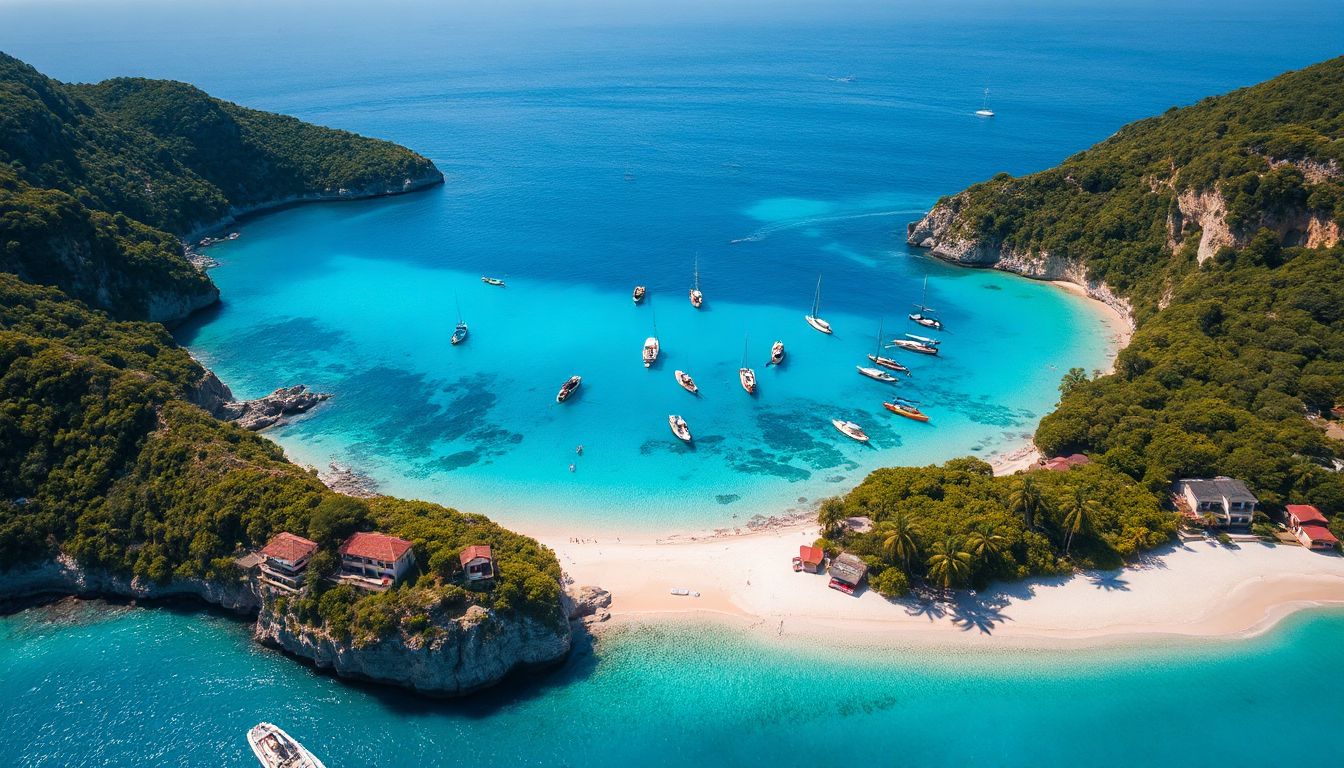
A serene Mediterranean beach with turquoise water, white sand, and lush green hills, with a small boat gently floating near the shore.

The Best Places to Travel This Summer: Your Ultimate Guide

Summer beckons, and with it, the irresistible urge to explore new horizons. Whether you're seeking sun-drenched beaches, vibrant cityscapes, or serene natural wonders, choosing the perfect destination can be the difference between a good trip and an unforgettable adventure. This guide is designed to help you navigate the myriad of options and discover the most captivating places to travel this summer. From well-trodden favorites to emerging gems, we'll explore destinations offering unique experiences, incredible value, and memories to last a lifetime.

This summer, the world is your oyster. But with so many incredible options, where should you focus your wanderlust? This comprehensive guide breaks down the best destinations, offering insights into what makes each place special, practical tips for planning your trip, and inspiration to ignite your summer travel dreams. Get ready to discover your next favorite summer getaway.

Unforgettable Beach Destinations for Summer 2024

Imagine soft sand beneath your feet and crystal-clear water stretching to the horizon. Summer is prime time for beach lovers. These spots offer amazing shores, clear seas, and plenty of fun activities. Discover your ideal coastal escape, from quiet coves to bustling beachfronts.

Mediterranean Marvels: Greece's Island Hopping Adventure

Greece is a dream for summer travel. Its islands offer unique beauty and endless charm. Think of Santorini with its volcanic views or Crete's ancient past. Mykonos buzzes with nightlife, perfect for those seeking excitement.

Ferry travel makes island hopping easy and fun. You can move between islands, seeing different sides of Greece. Summer temperatures average around 75-85°F (24-29°C). Peak tourist season runs from July to August, when the weather is warmest and the islands are liveliest. Book your ferries and stays ahead of time for the best choices.

Caribbean Charm: Barbados' All-Inclusive Escapes

Barbados shines as a top Caribbean spot for luxury and pure relaxation. Its famous platinum coast boasts white sand and calm, clear waters. It's a fantastic place for water sports like surfing, snorkeling, and diving. You can explore colorful coral reefs.

Don't miss the Oistins Fish Fry for local culture and delicious food. Getting to Barbados is often simple with many direct flights. The island offers a wide range of accommodation, from grand resorts to cozy guesthouses. This makes it easy to find a stay that fits your budget.

Southeast Asian Serenity: Thailand's Tropical Paradise

Thailand offers a tropical escape that is both stunning and affordable. Islands like Phuket, Koh Samui, and the Phi Phi Islands boast breathtaking scenery. Imagine towering limestone cliffs, turquoise lagoons, and lush jungles. The food here is incredible, from spicy curries to fresh seafood.

You can truly immerse yourself in the local culture. Remember to travel responsibly, respecting local customs and the environment. While summer can be rainy in parts, many islands have sunny breaks. Avoid peak rainy seasons by checking specific regional forecasts.

Vibrant City Breaks for the Culturally Curious

Cities often pulse with energy, art, and history. If you love exploring museums, tasting new foods, and catching live shows, a city break is for you. These destinations offer a rich mix of past and present, perfect for anyone who loves culture.

European Elegance: Paris, France's Timeless Appeal

Paris, France, remains a top choice for a reason. Its iconic landmarks like the Eiffel Tower and the Louvre Art Museum draw millions. You can spend days exploring world-class art and history. The city offers incredible dining experiences, from fancy restaurants to charming bistros.

Wander through charming neighborhoods like Le Marais or Montmartre. To beat the crowds at popular spots, go early in the morning or later in the afternoon. Public transport in Paris is efficient, and museum passes can save you time and money. Summer weather is usually mild and pleasant, often around 60-75°F (15-24°C).

Cultural Kaleidoscope: Tokyo, Japan's Futuristic Fascination

Tokyo, Japan, presents a fascinating blend of old traditions and new technology. One moment you're bowing at an ancient temple, the next you're in a neon-lit arcade. Explore bustling areas like Shibuya crossing and Shinjuku's skyscrapers. Find peace at historic temples such as Senso-ji.

The city's public transport system is amazing, getting you everywhere easily. Eating Japanese food is a highlight. Try fresh sushi, tasty ramen, and unique street snacks. You'll find something new to see around every corner in this big city.

Artistic Heartbeat: Florence, Italy's Renaissance Rhapsody

Florence, Italy, is a treasure chest of art and architecture. The Duomo's dome dominates the skyline, and the Uffizi Gallery holds masterpieces. You can walk the same streets where great artists once lived and worked. The city's culinary scene is fantastic, with delicious pasta, gelato, and Tuscan wines.

Browse the famous leather markets for unique souvenirs. Consider day trips into the rolling Tuscan countryside for stunning views and more wine tasting. For major attractions, booking tickets well in advance is a smart move. This saves you from long waits in lines.

Adventure Awaits: Thrilling Outdoor Escapes

For those who crave fresh air and a bit of a challenge, these destinations deliver. They are perfect for adrenaline seekers and nature lovers. Get ready for hiking, rafting, wildlife spotting, and amazing natural views.

Majestic Peaks: Banff National Park, Canada's Alpine Majesty

Banff National Park, nestled in the Canadian Rockies, offers stunning alpine views. Its turquoise lakes, like Lake Louise and Moraine Lake, are world famous. You can hike countless trails suited for all skill levels, from easy strolls to tough climbs. Canoeing on the calm lakes is a popular pastime.

Keep an eye out for wildlife, including bears, elk, and bighorn sheep. The park bursts with colorful wildflowers in the summer months. It's a great place to connect with nature on a grand scale. Make sure to check trail conditions before you head out.

Wild Frontiers: Costa Rica's Biodiversity Hotspot

Costa Rica is a champion of ecotourism, protecting its vast natural beauty. Here, you can zip-line through dense rainforests. Experience the thrill of white-water rafting on rushing rivers. Explore amazing national parks like Manuel Antonio, home to diverse wildlife.

You'll see sloths, monkeys, and exotic birds in their natural homes. The country focuses on sustainable travel, so choose tour operators who respect nature. It's a place where every turn brings a new natural wonder. The air smells fresh and the sounds of the jungle surround you.

Trailblazing Terrains: Patagonia's Rugged Beauty

Patagonia, shared by Chile and Argentina, offers incredibly rugged beauty. While popular in spring and fall, late summer (August/September) can mean fewer crowds. This is perfect for serious trekkers. Torres del Paine National Park is a highlight, with its dramatic granite spires.

You'll find challenging hikes and breathtaking glacial landscapes here. The weather can be unpredictable, even in summer, so pack layers. This region promises an experience of raw nature, unlike any other. It is truly a wild and remote corner of the world.

Unique Experiences for Off-the-Beaten-Path Travelers

Sometimes, the best trips are those that offer something truly different. These destinations provide authentic cultural immersion or rare natural phenomena. They take you away from the usual tourist spots for a deeper travel experience.

Northern Lights & Midnight Sun: Iceland's Summer Wonders

Iceland in summer is special because of the "Midnight Sun." This means nearly 24 hours of daylight, giving you more time to explore. You won't see the Northern Lights often, but you'll have endless daylight for adventures. Hike on glaciers or visit geothermal spas like the famous Blue Lagoon.

Drive the Golden Circle route to see geysers, waterfalls, and a rift valley. Iceland's dramatic volcanic landscapes are unlike anywhere else. It’s an otherworldly experience with wide open spaces and powerful natural forces. Be ready for diverse weather in one day.

Wildlife Encounters: Tanzania's Serengeti Safari

Tanzania stands out as a top safari destination. It offers incredible chances to see Africa's wildlife. During parts of summer, you might witness the Great Migration. Millions of wildebeest and zebras move across the vast Serengeti plains. You can also spot the "Big Five": lions, leopards, elephants, rhinos, and buffalo.

Choose reputable safari operators who focus on ethical wildlife viewing. The best time for specific wildlife sightings depends on the animals' movements. A safari here is more than a trip; it's a life-changing adventure. The sheer scale of nature is astounding.

Ancient History & Natural Beauty: Jordan's Rose-Red City

Jordan offers a mix of ancient history and stunning natural beauty. Petra, a UNESCO World Heritage site, is its crowning jewel. This "rose-red city" was carved into sandstone cliffs by the Nabateans thousands of years ago. Explore its intricate architecture and hidden pathways.

Beyond Petra, take a desert adventure in Wadi Rum, often called the Valley of the Moon. You can also float effortlessly in the mineral-rich waters of the Dead Sea. Summer temperatures can be hot, especially in the desert, so plan accordingly. Hydration is key.

Planning Your Perfect Summer Getaway: Actionable Tips

Getting ready for your summer trip needs some smart planning. These tips will help you book wisely, pack right, and stay safe. A little preparation goes a long way for a smooth and fun vacation.

Booking Smart: Early Bird vs. Last Minute

When planning your summer travel, timing your bookings matters. For popular spots, booking flights and hotels several months in advance often secures better prices. This also gives you more choices for accommodation. However, last-minute deals can pop up for less sought-after places.

Major events or holidays in a destination can drive prices way up. Always check local calendars before you book. Flexibility with your travel dates can sometimes lead to big savings too. Think about mid-week travel if you can.

Packing Essentials for Every Traveler

Your packing list changes based on where you are going. For beach trips, bring lightweight clothing, several swimsuits, and good sun protection. City explorers need comfy walking shoes, layers for changing weather, and a secure day bag. Adventure seekers should pack proper hiking gear, waterproof items, and a first-aid kit.

Always have essential travel documents, like your passport and visa, easily accessible. Don't forget any personal medications. A universal adapter is a smart choice for international trips. Light packing makes moving around easier.

Staying Safe and Savvy on the Road

Travel safety is important no matter where you go. Always be aware of your surroundings, especially in crowded tourist areas. Keep your valuables secure and out of sight. A money belt or cross-body bag can be a good idea. Consider getting travel insurance before you leave home. It protects you in case of emergencies.

Learn a few local customs and etiquette rules before you arrive. This shows respect and can improve your experience. Trust your gut feeling about situations. It's always best to be prepared and cautious.

Conclusion: Your Summer Adventure Awaits

The world offers an endless array of possibilities for summer travel. From the sun-kissed shores of the Mediterranean to the bustling streets of Tokyo and the wild landscapes of Patagonia, there's a perfect spot for everyone. By considering your interests, budget, and desired experiences, you can curate a summer adventure that resonates deeply. Remember to book in advance, pack wisely, and stay open to the unexpected joys that travel brings. Your unforgettable summer journey begins now.

Friday, August 15, 2025

The Hidden Gems of Patagonia: A Journey Through Earth's Last Frontier

The Hidden Gems of Patagonia: A Journey Through Earth's Last Frontier | Jumanjisa Travel

The Hidden Gems of Patagonia: A Journey Through Earth's Last Frontier

Discover untouched wilderness, ancient glaciers, and the raw beauty that defines the end of the world

By Jumanjisa Travel

Patagonia stands as one of Earth's most magnificent and untamed regions, stretching across the southern reaches of Chile and Argentina. This vast wilderness, covering over 400,000 square miles, offers travelers an unparalleled opportunity to witness nature in its most pristine form. From towering granite spires to endless steppes dotted with guanacos, Patagonia represents the ultimate frontier for adventurous souls seeking authentic wilderness experiences.

Torres del Paine granite peaks

The Glacial Wonders of the Southern Ice Field

Perito Moreno Glacier

The magnificent Perito Moreno Glacier, one of the few advancing glaciers in the world

The Southern Patagonian Ice Field represents the third-largest concentration of ice outside the polar regions. Home to legendary glaciers like Perito Moreno, Upsala, and Spegazzini, this frozen wonderland offers visitors a glimpse into Earth's ice age past. The Perito Moreno Glacier, perhaps the most famous of all, spans 19 miles in length and towers 200 feet above Lago Argentino's turquoise waters.

What makes Perito Moreno truly extraordinary is its dynamic nature. Unlike most glaciers worldwide that are retreating due to climate change, Perito Moreno maintains a delicate equilibrium, advancing and retreating in natural cycles. Visitors can witness the spectacular phenomenon of ice calving – massive chunks of ice breaking away and crashing into the lake below with thunderous roars that echo across the landscape.

The glacier's accessibility sets it apart from other ice formations in Patagonia. A series of well-maintained walkways and viewing platforms allow visitors to observe the glacier from multiple angles, each offering unique perspectives on this natural marvel. The contrast between the ancient blue ice and the surrounding lenga forest creates a visual symphony that photographers and nature enthusiasts find irresistible.

For the more adventurous, ice trekking expeditions provide an intimate encounter with the glacier's surface. Equipped with crampons and guided by experienced professionals, visitors can explore the glacier's crevasses, ice caves, and seracs – towering ice formations that create an otherworldly landscape. The experience of walking on ice that has been compressed over centuries while listening to the glacier's constant creaking and groaning is both humbling and exhilarating.

Wildlife Encounters in the Land of Fire

Guanacos in Patagonian steppe

Guanacos, the wild relatives of llamas, roam freely across Patagonian grasslands

Patagonia's diverse ecosystems support an remarkable array of wildlife, from the iconic guanacos that dot the endless steppes to the elusive pumas that reign as apex predators. The region's isolation has allowed many species to evolve unique characteristics, making wildlife observation a cornerstone of any Patagonian adventure.

The guanaco, a wild relative of the domestic llama, represents Patagonia's most visible wildlife ambassador. These graceful camelids have adapted perfectly to the harsh Patagonian environment, with their thick wool providing insulation against fierce winds and their keen eyesight helping them spot predators across vast distances. Traveling in herds that can number in the hundreds, guanacos create one of South America's most spectacular wildlife spectacles.

Peninsula ValdΓ©s, a UNESCO World Heritage site on Argentina's Atlantic coast, offers unparalleled marine wildlife viewing opportunities. From June to December, southern right whales migrate to the protected waters of Golfo Nuevo and Golfo San JosΓ© to mate and give birth. These gentle giants, weighing up to 60 tons, can be observed from shore or during boat excursions that bring visitors within respectful distances of mothers and calves.

The peninsula also hosts one of the world's largest continental colonies of southern elephant seals. During breeding season, massive bulls weighing up to 4 tons establish territories on the beaches, creating dramatic scenes as they compete for dominance. The sight of these marine mammals hauling their enormous bodies across the sand while emitting otherworldly vocalizations provides visitors with unforgettable wildlife encounters.

For bird enthusiasts, Patagonia offers exceptional opportunities to observe both terrestrial and marine species. The Magellanic penguin colonies at Punta Tombo represent the largest continental penguin rookery in South America, with over one million birds returning annually to breed. Condors, with wingspans reaching 10 feet, soar above the Andes, while flamingos create pink carpets across high-altitude salt lakes.

Epic Trekking Routes Through Pristine Wilderness

Trekking in Torres del Paine

The famous W Trek in Torres del Paine offers some of the world's most spectacular mountain scenery

Patagonia's trekking opportunities rank among the world's finest, offering routes that traverse diverse landscapes from ancient forests to alpine meadows, glacial valleys to windswept ridges. The region's well-established trail network caters to all skill levels, from day hikers seeking scenic viewpoints to experienced mountaineers attempting technical ascents of granite spires.

Torres del Paine National Park in Chile hosts the legendary W Trek, a 50-mile route that showcases the park's most iconic landmarks. The trek's name derives from the distinctive shape created by connecting the trail's major destinations on a map. Hikers traverse beneath the towering granite towers that give the park its name, around the brilliant turquoise waters of Lago NordenskjΓΆld, and up to the base of the Grey Glacier.

The W Trek typically requires 4-5 days to complete, with comfortable refugios (mountain huts) providing accommodation and meals along the route. Each day presents unique challenges and rewards: the steep ascent to the base of the Torres offers sunrise views that rank among the world's most spectacular, while the French Valley provides 360-degree panoramas of granite spires, hanging glaciers, and pristine lakes.

For those seeking greater solitude and challenge, the complete Torres del Paine Circuit extends the W Trek into a 8-10 day journey that circumnavigates the entire Paine Massif. This route includes the challenging John Gardner Pass, where hikers traverse alongside the Grey Glacier while battling notorious Patagonian winds that can exceed 100 mph.

Argentina's Los Glaciares National Park offers equally spectacular trekking opportunities, including the approach to Cerro Fitz Roy, known locally as Cerro ChaltΓ©n. This jagged granite spire, considered one of the world's most challenging climbs, attracts mountaineers from around the globe. The trek to Laguna de los Tres provides non-technical hikers with stunning views of Fitz Roy's east face, while the longer route to Laguna Torre offers perspectives of Cerro Torre, another legendary climbing objective.

Indigenous Heritage and Gaucho Culture

Gaucho culture in Patagonia

Gaucho traditions continue to thrive in remote Patagonian estancias

Patagonia's human history spans thousands of years, from the indigenous peoples who first inhabited these lands to the European settlers who established the region's distinctive gaucho culture. Understanding this cultural heritage adds profound depth to any Patagonian journey, revealing the human stories that have shaped this remarkable landscape.

The Tehuelche people, known as the "Patagones" to early European explorers, inhabited Patagonia for over 10,000 years before European contact. These nomadic hunter-gatherers developed sophisticated survival strategies for the harsh Patagonian environment, following seasonal migration patterns of guanacos and other game animals. Their legacy lives on in place names, archaeological sites, and the oral traditions preserved by their descendants.

The arrival of European settlers in the late 19th century transformed Patagonia's cultural landscape. Sheep farming became the dominant economic activity, giving rise to the distinctive estancia system – vast ranches that could span hundreds of thousands of acres. These estancias developed their own unique culture, blending European traditions with the practical demands of life in remote Patagonia.

The gaucho tradition, while originating in the Argentine pampas, found new expression in Patagonia's challenging environment. Patagonian gauchos developed specialized skills for working in extreme weather conditions, managing livestock across vast distances, and maintaining self-sufficiency in isolated locations. Their horsemanship, leather working, and survival skills became legendary throughout South America.

Today, visitors can experience authentic gaucho culture at working estancias that offer accommodation and activities. These experiences provide insights into traditional Patagonian life, from sheep shearing demonstrations to horseback rides across endless steppes. The asado (barbecue) tradition, featuring lamb roasted over open fires, represents one of Patagonia's most cherished culinary experiences, bringing together the region's pastoral heritage with its contemporary hospitality industry.

Your Patagonian Adventure Awaits

Patagonia represents more than a destination – it's a transformative experience that challenges preconceptions about wilderness, solitude, and the relationship between humans and nature. Whether you're drawn by the promise of glacier trekking, wildlife photography, cultural immersion, or simply the desire to witness one of Earth's last great frontiers, Patagonia delivers experiences that resonate long after the journey ends.

The region's vastness ensures that every visitor can find their own version of Patagonia, from luxury eco-lodges offering guided excursions to remote camping experiences that test personal limits. The key to a successful Patagonian adventure lies in careful planning, respect for the environment, and openness to the unexpected encounters that define travel in this remarkable region.

Plan Your Patagonian Journey with Jumanjisa

Contact our expert travel consultants to design your perfect Patagonian adventure

Quick Facts

Best Time to Visit: Oct - Apr
Average Temperature: 5-15°C
Total Area: 1M km²
Languages: Spanish
Currency: ARS, CLP

Essential Travel Tips

  • Pack layers for rapidly changing weather conditions
  • Book accommodations well in advance during peak season
  • Bring wind-resistant gear for outdoor activities
  • Consider travel insurance for adventure activities
  • Learn basic Spanish phrases for remote areas

Related Articles

Complete Guide to Torres del Paine

Everything you need to know for the W Trek

Wildlife Photography in Patagonia

Tips for capturing the perfect shot

Patagonian Cuisine Guide

Traditional foods and where to find them

Jumanjisa Travel

Your gateway to extraordinary adventures around the world

© 2024 Jumanjisa Travel. All rights reserved. | Crafting unforgettable journeys since 2010

Learn how to Earn money online today

(A person works on a laptop, coffee nearby, showing the flexible nature of online earning.)

Earn Money Online Today: Your Beginner's Guide to Quick Cash

The digital world has opened up many ways to make money from home. Do you want to add to your pay? Maybe you need cash for a new idea or wish for more financial freedom. Learning how to earn money online today is easier than ever before. This guide will give new earners and side-hustlers the right steps to start making cash fast.

Finding your way through all the online earning options can feel tricky. This article cuts through the noise. It focuses on methods that really work and bring real results. We will look at trusted platforms and simple steps. Get ready to turn your free time into income. Discover how to earn money online today.

Understanding the Landscape of Online Earning

Making money online means using your computer to do work or sell things. It's not just for tech experts. People from all walks of life are finding success. You can find tasks that match almost any skill. The key is to know what's out there and what you can offer. This section will help you see the big picture.

The Growing Gig Economy and Remote Work Trends

The world of work is changing quickly. More jobs now allow you to work from anywhere. This is part of the "gig economy." Here, people take on short-term tasks or projects instead of a single full-time job. Remote work also means doing your job from home, not an office. Both of these trends are growing fast. Many companies now hire freelancers and remote staff. This gives you many chances to earn money online today.

Identifying Your Skills and Interests for Online Opportunities

Before you jump in, think about what you are good at. What do you enjoy doing? Do you write well? Are you good at organizing? Maybe you love to teach or design things. Your hobbies and talents can become ways to earn cash. Make a list of your skills. Consider what you are passionate about. This helps you find online work that feels fun and rewarding.

Setting Realistic Goals and Expectations

Earning money online is exciting. But it is important to be real about it. You won't get rich overnight. Building steady income online takes time and effort. Set small, clear goals for yourself. Maybe aim to make an extra $100 this month. Then, work your way up. Stay patient and keep learning. Your hard work will pay off.

Popular and Proven Ways to Earn Money Online Quickly

Ready to start making money? This section dives into specific ways you can begin earning today. These methods are popular because they work. They offer real chances for beginners to get started. Pick one that fits your skills and give it a try.

Freelancing: Leveraging Your Expertise on Demand

Freelancing means offering your skills to clients project by project. Websites like Upwork, Fiverr, and Freelancer let you connect with people who need help. You can create a profile that shows off what you do best. Then, you can bid on projects or offer your services directly. Delivering good work helps you get more jobs and earn more.

  • Writing and Editing Services: Do you have a way with words? Companies and blogs always need new content. You can write articles, blog posts, or product descriptions. Proofreading and editing also pay well.
  • Graphic Design and Web Development: If you are good with visuals or code, many doors are open. Businesses need logos, website designs, and online stores. Your design or coding skills are in high demand.
  • Virtual Assistant Services: Busy people and companies often need help with daily tasks. As a virtual assistant, you might manage emails, schedule meetings, or handle social media. You do this all from your own home.

Online Surveys and Microtask Websites

Looking for quick ways to earn a few dollars? Online survey sites pay you for your opinions. Companies use your answers to make better products. Websites like Swagbucks let you earn points for surveys, watching videos, or shopping. Microtask sites, such as Amazon Mechanical Turk, offer very small tasks. These include things like sorting images or typing text.

  • Participating in Market Research: Many businesses want to know what consumers think. They pay you to share your views through surveys. This is an easy way to make a little extra cash in your free time.
  • Completing Small, Repetitive Tasks: Microtasks are tiny jobs that computers cannot do well yet. They often involve checking data or sorting information. Each task pays a small amount, but they add up over time.

Online Tutoring and Teaching

Are you good at a certain school subject? Do you enjoy explaining things to others? You can teach online. Platforms like Chegg and VIPKid connect you with students. You can help kids with math, science, or teach English to learners around the world. It’s a rewarding way to share what you know.

  • Subject-Specific Tutoring: High school and college students often need extra help. You can tutor subjects like algebra, chemistry, or history. Pick what you know best and offer your skills.
  • Teaching English as a Second Language (ESL): There's a big need for online English teachers. Many people globally want to learn English. You can teach children or adults. Often, you don't even need to know another language.

Monetizing Your Content and Creative Skills

Do you love creating things? If you enjoy sharing ideas or making art, you can turn that into money. This section shows you how to make cash from your content. Your words, videos, or designs can bring in income.

Blogging and Affiliate Marketing

Starting a blog lets you write about topics you care about. When people read your blog, you can earn money. One popular way is affiliate marketing. You promote products or services you like. If someone buys through your special link, you get a small payment. It's a great way to earn passive income over time.

  • Choosing a Niche and Platform: Pick a topic you know well and can write about often. This is your niche. Then, set up your blog on a platform like WordPress.
  • Strategies for Affiliate Promotion: Share products that truly help your readers. Write honest reviews. Place your affiliate links naturally within your content. Always tell your readers when you use affiliate links.

YouTube and Social Media Monetization

Are you comfortable on camera? Do you love making videos or sharing photos? Platforms like YouTube and Instagram can pay you. You build an audience by making fun or helpful content. Once you have enough followers, you can earn from ads, brand deals, or selling your own merchandise.

  • Creating Engaging Video Content: Think about what viewers want to watch. Make clear, interesting videos. Use good lighting and sound. Talk about topics you are passionate about.
  • Building a Social Media Following: Post often and be yourself. Talk to your followers in the comments. Use hashtags to help new people find you. The more people you reach, the more chances to earn.

Selling Products Online: From Handmade to Digital

If you like to make things or have a good idea for a product, the internet is your store. You can sell almost anything online. This part of the guide covers how to set up your own online shop.

E-commerce and Dropshipping

You can open your own online store without a physical shop. Websites like Shopify or Etsy make it easy. E-commerce means selling goods directly to customers. Dropshipping is a cool way to sell products without holding any stock. When a customer buys something, your supplier ships it straight to them. You never touch the item.

  • Sourcing Products and Managing Inventory: Think about what people want to buy. You can make your own goods, find suppliers, or use dropshipping. With dropshipping, you don't need a warehouse.
  • Building an E-commerce Brand: Give your store a unique name and look. Use good photos of your products. Tell people about your store on social media. Good customer service keeps people coming back.

Creating and Selling Digital Products

Digital products are items that customers download. This could be an e-book, an online course, or even a printable template. Once you create it, you can sell it again and again. Platforms like Gumroad and Teachable help you sell these items. It's a great way to earn money from your knowledge or creative skills.

  • Developing Profitable Digital Assets: What problem can you solve for others? Can you teach a skill? Create an e-book about a topic you know well. Design useful templates.
  • Platforms for Selling Digital Goods: These websites make it simple to list your digital products. They handle payments and delivery. You focus on creating and marketing.

Essential Tools and Mindsets for Online Success

Making money online takes more than just knowing the methods. You also need the right tools and the right attitude. This section helps you get ready for the journey ahead.

Productivity Tools and Time Management

Working from home offers freedom. But it also means you need to stay focused. Use tools to keep track of your tasks. Apps like Trello or Asana can help you organize projects. Learn to manage your time well. Block out time for work and stick to it. This keeps you on track and helps you get more done.

  • Project Management Software: These tools let you list tasks, set deadlines, and track your progress. They help you stay organized, especially if you have many projects.
  • Focus and Time-Blocking Techniques: Try setting a timer for focused work, like 25 minutes. Then take a short break. This helps you concentrate and get through your to-do list faster.

Developing a Growth Mindset and Continuous Learning

The online world is always changing. New tools and methods appear all the time. To do well, you need to be open to learning new things. Don't let setbacks stop you. If one idea doesn't work, try another. Keep growing your skills. This flexible mindset will help you earn money online today and in the future.

  • Overcoming Challenges and Setbacks: Not every project will be a huge success. That's okay. Learn from mistakes and keep going. Stay positive even when things get tough.
  • Staying Updated with Online Trends: Follow blogs or groups about online earning. Take online courses to learn new skills. The more you know, the more opportunities you can find.

Conclusion: Your Journey to Earning Money Online Starts Now

You've learned about many ways to earn money online today. From freelancing your skills to selling products, the chances are real. It's clear that making extra cash or building a full-time income from home is totally possible. What holds you back from starting?

The journey may take effort, but it is within your reach. Pick one method that excites you. Take that first step. Create a profile, start a blog, or list a product. Consistent action is key. The digital world is waiting for you. Begin your online earning adventure now.