Saturday, August 16, 2025

The Best Places to Travel This Summer: Your Ultimate Guide


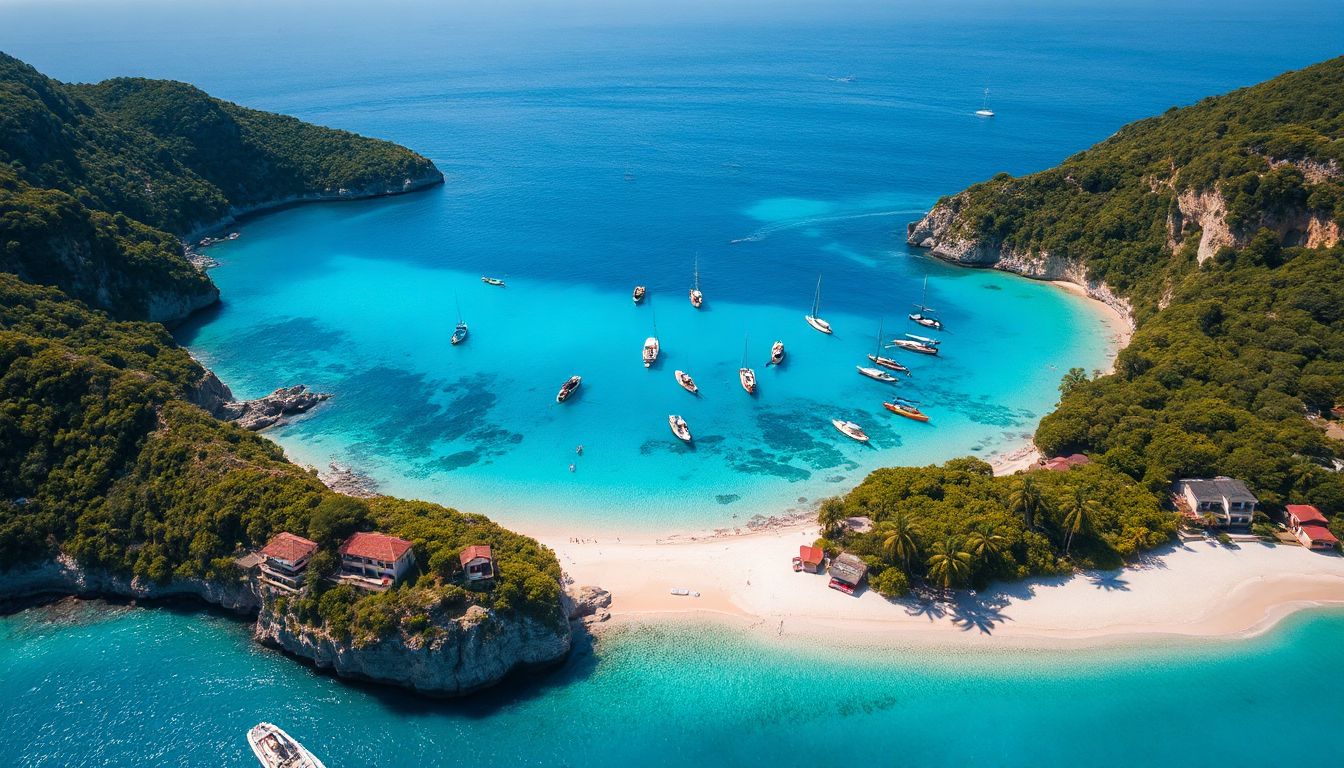
A serene Mediterranean beach with turquoise water, white sand, and lush green hills, with a small boat gently floating near the shore.

The Best Places to Travel This Summer: Your Ultimate Guide

Summer beckons, and with it, the irresistible urge to explore new horizons. Whether you're seeking sun-drenched beaches, vibrant cityscapes, or serene natural wonders, choosing the perfect destination can be the difference between a good trip and an unforgettable adventure. This guide is designed to help you navigate the myriad of options and discover the most captivating places to travel this summer. From well-trodden favorites to emerging gems, we'll explore destinations offering unique experiences, incredible value, and memories to last a lifetime.

This summer, the world is your oyster. But with so many incredible options, where should you focus your wanderlust? This comprehensive guide breaks down the best destinations, offering insights into what makes each place special, practical tips for planning your trip, and inspiration to ignite your summer travel dreams. Get ready to discover your next favorite summer getaway.

Unforgettable Beach Destinations for Summer 2024

Imagine soft sand beneath your feet and crystal-clear water stretching to the horizon. Summer is prime time for beach lovers. These spots offer amazing shores, clear seas, and plenty of fun activities. Discover your ideal coastal escape, from quiet coves to bustling beachfronts.

Mediterranean Marvels: Greece's Island Hopping Adventure

Greece is a dream for summer travel. Its islands offer unique beauty and endless charm. Think of Santorini with its volcanic views or Crete's ancient past. Mykonos buzzes with nightlife, perfect for those seeking excitement.

Ferry travel makes island hopping easy and fun. You can move between islands, seeing different sides of Greece. Summer temperatures average around 75-85°F (24-29°C). Peak tourist season runs from July to August, when the weather is warmest and the islands are liveliest. Book your ferries and stays ahead of time for the best choices.

Caribbean Charm: Barbados' All-Inclusive Escapes

Barbados shines as a top Caribbean spot for luxury and pure relaxation. Its famous platinum coast boasts white sand and calm, clear waters. It's a fantastic place for water sports like surfing, snorkeling, and diving. You can explore colorful coral reefs.

Don't miss the Oistins Fish Fry for local culture and delicious food. Getting to Barbados is often simple with many direct flights. The island offers a wide range of accommodation, from grand resorts to cozy guesthouses. This makes it easy to find a stay that fits your budget.

Southeast Asian Serenity: Thailand's Tropical Paradise

Thailand offers a tropical escape that is both stunning and affordable. Islands like Phuket, Koh Samui, and the Phi Phi Islands boast breathtaking scenery. Imagine towering limestone cliffs, turquoise lagoons, and lush jungles. The food here is incredible, from spicy curries to fresh seafood.

You can truly immerse yourself in the local culture. Remember to travel responsibly, respecting local customs and the environment. While summer can be rainy in parts, many islands have sunny breaks. Avoid peak rainy seasons by checking specific regional forecasts.

Vibrant City Breaks for the Culturally Curious

Cities often pulse with energy, art, and history. If you love exploring museums, tasting new foods, and catching live shows, a city break is for you. These destinations offer a rich mix of past and present, perfect for anyone who loves culture.

European Elegance: Paris, France's Timeless Appeal

Paris, France, remains a top choice for a reason. Its iconic landmarks like the Eiffel Tower and the Louvre Art Museum draw millions. You can spend days exploring world-class art and history. The city offers incredible dining experiences, from fancy restaurants to charming bistros.

Wander through charming neighborhoods like Le Marais or Montmartre. To beat the crowds at popular spots, go early in the morning or later in the afternoon. Public transport in Paris is efficient, and museum passes can save you time and money. Summer weather is usually mild and pleasant, often around 60-75°F (15-24°C).

Cultural Kaleidoscope: Tokyo, Japan's Futuristic Fascination

Tokyo, Japan, presents a fascinating blend of old traditions and new technology. One moment you're bowing at an ancient temple, the next you're in a neon-lit arcade. Explore bustling areas like Shibuya crossing and Shinjuku's skyscrapers. Find peace at historic temples such as Senso-ji.

The city's public transport system is amazing, getting you everywhere easily. Eating Japanese food is a highlight. Try fresh sushi, tasty ramen, and unique street snacks. You'll find something new to see around every corner in this big city.

Artistic Heartbeat: Florence, Italy's Renaissance Rhapsody

Florence, Italy, is a treasure chest of art and architecture. The Duomo's dome dominates the skyline, and the Uffizi Gallery holds masterpieces. You can walk the same streets where great artists once lived and worked. The city's culinary scene is fantastic, with delicious pasta, gelato, and Tuscan wines.

Browse the famous leather markets for unique souvenirs. Consider day trips into the rolling Tuscan countryside for stunning views and more wine tasting. For major attractions, booking tickets well in advance is a smart move. This saves you from long waits in lines.

Adventure Awaits: Thrilling Outdoor Escapes

For those who crave fresh air and a bit of a challenge, these destinations deliver. They are perfect for adrenaline seekers and nature lovers. Get ready for hiking, rafting, wildlife spotting, and amazing natural views.

Majestic Peaks: Banff National Park, Canada's Alpine Majesty

Banff National Park, nestled in the Canadian Rockies, offers stunning alpine views. Its turquoise lakes, like Lake Louise and Moraine Lake, are world famous. You can hike countless trails suited for all skill levels, from easy strolls to tough climbs. Canoeing on the calm lakes is a popular pastime.

Keep an eye out for wildlife, including bears, elk, and bighorn sheep. The park bursts with colorful wildflowers in the summer months. It's a great place to connect with nature on a grand scale. Make sure to check trail conditions before you head out.

Wild Frontiers: Costa Rica's Biodiversity Hotspot

Costa Rica is a champion of ecotourism, protecting its vast natural beauty. Here, you can zip-line through dense rainforests. Experience the thrill of white-water rafting on rushing rivers. Explore amazing national parks like Manuel Antonio, home to diverse wildlife.

You'll see sloths, monkeys, and exotic birds in their natural homes. The country focuses on sustainable travel, so choose tour operators who respect nature. It's a place where every turn brings a new natural wonder. The air smells fresh and the sounds of the jungle surround you.

Trailblazing Terrains: Patagonia's Rugged Beauty

Patagonia, shared by Chile and Argentina, offers incredibly rugged beauty. While popular in spring and fall, late summer (August/September) can mean fewer crowds. This is perfect for serious trekkers. Torres del Paine National Park is a highlight, with its dramatic granite spires.

You'll find challenging hikes and breathtaking glacial landscapes here. The weather can be unpredictable, even in summer, so pack layers. This region promises an experience of raw nature, unlike any other. It is truly a wild and remote corner of the world.

Unique Experiences for Off-the-Beaten-Path Travelers

Sometimes, the best trips are those that offer something truly different. These destinations provide authentic cultural immersion or rare natural phenomena. They take you away from the usual tourist spots for a deeper travel experience.

Northern Lights & Midnight Sun: Iceland's Summer Wonders

Iceland in summer is special because of the "Midnight Sun." This means nearly 24 hours of daylight, giving you more time to explore. You won't see the Northern Lights often, but you'll have endless daylight for adventures. Hike on glaciers or visit geothermal spas like the famous Blue Lagoon.

Drive the Golden Circle route to see geysers, waterfalls, and a rift valley. Iceland's dramatic volcanic landscapes are unlike anywhere else. It’s an otherworldly experience with wide open spaces and powerful natural forces. Be ready for diverse weather in one day.

Wildlife Encounters: Tanzania's Serengeti Safari

Tanzania stands out as a top safari destination. It offers incredible chances to see Africa's wildlife. During parts of summer, you might witness the Great Migration. Millions of wildebeest and zebras move across the vast Serengeti plains. You can also spot the "Big Five": lions, leopards, elephants, rhinos, and buffalo.

Choose reputable safari operators who focus on ethical wildlife viewing. The best time for specific wildlife sightings depends on the animals' movements. A safari here is more than a trip; it's a life-changing adventure. The sheer scale of nature is astounding.

Ancient History & Natural Beauty: Jordan's Rose-Red City

Jordan offers a mix of ancient history and stunning natural beauty. Petra, a UNESCO World Heritage site, is its crowning jewel. This "rose-red city" was carved into sandstone cliffs by the Nabateans thousands of years ago. Explore its intricate architecture and hidden pathways.

Beyond Petra, take a desert adventure in Wadi Rum, often called the Valley of the Moon. You can also float effortlessly in the mineral-rich waters of the Dead Sea. Summer temperatures can be hot, especially in the desert, so plan accordingly. Hydration is key.

Planning Your Perfect Summer Getaway: Actionable Tips

Getting ready for your summer trip needs some smart planning. These tips will help you book wisely, pack right, and stay safe. A little preparation goes a long way for a smooth and fun vacation.

Booking Smart: Early Bird vs. Last Minute

When planning your summer travel, timing your bookings matters. For popular spots, booking flights and hotels several months in advance often secures better prices. This also gives you more choices for accommodation. However, last-minute deals can pop up for less sought-after places.

Major events or holidays in a destination can drive prices way up. Always check local calendars before you book. Flexibility with your travel dates can sometimes lead to big savings too. Think about mid-week travel if you can.

Packing Essentials for Every Traveler

Your packing list changes based on where you are going. For beach trips, bring lightweight clothing, several swimsuits, and good sun protection. City explorers need comfy walking shoes, layers for changing weather, and a secure day bag. Adventure seekers should pack proper hiking gear, waterproof items, and a first-aid kit.

Always have essential travel documents, like your passport and visa, easily accessible. Don't forget any personal medications. A universal adapter is a smart choice for international trips. Light packing makes moving around easier.

Staying Safe and Savvy on the Road

Travel safety is important no matter where you go. Always be aware of your surroundings, especially in crowded tourist areas. Keep your valuables secure and out of sight. A money belt or cross-body bag can be a good idea. Consider getting travel insurance before you leave home. It protects you in case of emergencies.

Learn a few local customs and etiquette rules before you arrive. This shows respect and can improve your experience. Trust your gut feeling about situations. It's always best to be prepared and cautious.

Conclusion: Your Summer Adventure Awaits

The world offers an endless array of possibilities for summer travel. From the sun-kissed shores of the Mediterranean to the bustling streets of Tokyo and the wild landscapes of Patagonia, there's a perfect spot for everyone. By considering your interests, budget, and desired experiences, you can curate a summer adventure that resonates deeply. Remember to book in advance, pack wisely, and stay open to the unexpected joys that travel brings. Your unforgettable summer journey begins now.

Friday, August 15, 2025

The Hidden Gems of Patagonia: A Journey Through Earth's Last Frontier

The Hidden Gems of Patagonia: A Journey Through Earth's Last Frontier | Jumanjisa Travel

The Hidden Gems of Patagonia: A Journey Through Earth's Last Frontier

Discover untouched wilderness, ancient glaciers, and the raw beauty that defines the end of the world

By Jumanjisa Travel

Patagonia stands as one of Earth's most magnificent and untamed regions, stretching across the southern reaches of Chile and Argentina. This vast wilderness, covering over 400,000 square miles, offers travelers an unparalleled opportunity to witness nature in its most pristine form. From towering granite spires to endless steppes dotted with guanacos, Patagonia represents the ultimate frontier for adventurous souls seeking authentic wilderness experiences.

Torres del Paine granite peaks

The Glacial Wonders of the Southern Ice Field

Perito Moreno Glacier

The magnificent Perito Moreno Glacier, one of the few advancing glaciers in the world

The Southern Patagonian Ice Field represents the third-largest concentration of ice outside the polar regions. Home to legendary glaciers like Perito Moreno, Upsala, and Spegazzini, this frozen wonderland offers visitors a glimpse into Earth's ice age past. The Perito Moreno Glacier, perhaps the most famous of all, spans 19 miles in length and towers 200 feet above Lago Argentino's turquoise waters.

What makes Perito Moreno truly extraordinary is its dynamic nature. Unlike most glaciers worldwide that are retreating due to climate change, Perito Moreno maintains a delicate equilibrium, advancing and retreating in natural cycles. Visitors can witness the spectacular phenomenon of ice calving – massive chunks of ice breaking away and crashing into the lake below with thunderous roars that echo across the landscape.

The glacier's accessibility sets it apart from other ice formations in Patagonia. A series of well-maintained walkways and viewing platforms allow visitors to observe the glacier from multiple angles, each offering unique perspectives on this natural marvel. The contrast between the ancient blue ice and the surrounding lenga forest creates a visual symphony that photographers and nature enthusiasts find irresistible.

For the more adventurous, ice trekking expeditions provide an intimate encounter with the glacier's surface. Equipped with crampons and guided by experienced professionals, visitors can explore the glacier's crevasses, ice caves, and seracs – towering ice formations that create an otherworldly landscape. The experience of walking on ice that has been compressed over centuries while listening to the glacier's constant creaking and groaning is both humbling and exhilarating.

Wildlife Encounters in the Land of Fire

Guanacos in Patagonian steppe

Guanacos, the wild relatives of llamas, roam freely across Patagonian grasslands

Patagonia's diverse ecosystems support an remarkable array of wildlife, from the iconic guanacos that dot the endless steppes to the elusive pumas that reign as apex predators. The region's isolation has allowed many species to evolve unique characteristics, making wildlife observation a cornerstone of any Patagonian adventure.

The guanaco, a wild relative of the domestic llama, represents Patagonia's most visible wildlife ambassador. These graceful camelids have adapted perfectly to the harsh Patagonian environment, with their thick wool providing insulation against fierce winds and their keen eyesight helping them spot predators across vast distances. Traveling in herds that can number in the hundreds, guanacos create one of South America's most spectacular wildlife spectacles.

Peninsula ValdΓ©s, a UNESCO World Heritage site on Argentina's Atlantic coast, offers unparalleled marine wildlife viewing opportunities. From June to December, southern right whales migrate to the protected waters of Golfo Nuevo and Golfo San JosΓ© to mate and give birth. These gentle giants, weighing up to 60 tons, can be observed from shore or during boat excursions that bring visitors within respectful distances of mothers and calves.

The peninsula also hosts one of the world's largest continental colonies of southern elephant seals. During breeding season, massive bulls weighing up to 4 tons establish territories on the beaches, creating dramatic scenes as they compete for dominance. The sight of these marine mammals hauling their enormous bodies across the sand while emitting otherworldly vocalizations provides visitors with unforgettable wildlife encounters.

For bird enthusiasts, Patagonia offers exceptional opportunities to observe both terrestrial and marine species. The Magellanic penguin colonies at Punta Tombo represent the largest continental penguin rookery in South America, with over one million birds returning annually to breed. Condors, with wingspans reaching 10 feet, soar above the Andes, while flamingos create pink carpets across high-altitude salt lakes.

Epic Trekking Routes Through Pristine Wilderness

Trekking in Torres del Paine

The famous W Trek in Torres del Paine offers some of the world's most spectacular mountain scenery

Patagonia's trekking opportunities rank among the world's finest, offering routes that traverse diverse landscapes from ancient forests to alpine meadows, glacial valleys to windswept ridges. The region's well-established trail network caters to all skill levels, from day hikers seeking scenic viewpoints to experienced mountaineers attempting technical ascents of granite spires.

Torres del Paine National Park in Chile hosts the legendary W Trek, a 50-mile route that showcases the park's most iconic landmarks. The trek's name derives from the distinctive shape created by connecting the trail's major destinations on a map. Hikers traverse beneath the towering granite towers that give the park its name, around the brilliant turquoise waters of Lago NordenskjΓΆld, and up to the base of the Grey Glacier.

The W Trek typically requires 4-5 days to complete, with comfortable refugios (mountain huts) providing accommodation and meals along the route. Each day presents unique challenges and rewards: the steep ascent to the base of the Torres offers sunrise views that rank among the world's most spectacular, while the French Valley provides 360-degree panoramas of granite spires, hanging glaciers, and pristine lakes.

For those seeking greater solitude and challenge, the complete Torres del Paine Circuit extends the W Trek into a 8-10 day journey that circumnavigates the entire Paine Massif. This route includes the challenging John Gardner Pass, where hikers traverse alongside the Grey Glacier while battling notorious Patagonian winds that can exceed 100 mph.

Argentina's Los Glaciares National Park offers equally spectacular trekking opportunities, including the approach to Cerro Fitz Roy, known locally as Cerro ChaltΓ©n. This jagged granite spire, considered one of the world's most challenging climbs, attracts mountaineers from around the globe. The trek to Laguna de los Tres provides non-technical hikers with stunning views of Fitz Roy's east face, while the longer route to Laguna Torre offers perspectives of Cerro Torre, another legendary climbing objective.

Indigenous Heritage and Gaucho Culture

Gaucho culture in Patagonia

Gaucho traditions continue to thrive in remote Patagonian estancias

Patagonia's human history spans thousands of years, from the indigenous peoples who first inhabited these lands to the European settlers who established the region's distinctive gaucho culture. Understanding this cultural heritage adds profound depth to any Patagonian journey, revealing the human stories that have shaped this remarkable landscape.

The Tehuelche people, known as the "Patagones" to early European explorers, inhabited Patagonia for over 10,000 years before European contact. These nomadic hunter-gatherers developed sophisticated survival strategies for the harsh Patagonian environment, following seasonal migration patterns of guanacos and other game animals. Their legacy lives on in place names, archaeological sites, and the oral traditions preserved by their descendants.

The arrival of European settlers in the late 19th century transformed Patagonia's cultural landscape. Sheep farming became the dominant economic activity, giving rise to the distinctive estancia system – vast ranches that could span hundreds of thousands of acres. These estancias developed their own unique culture, blending European traditions with the practical demands of life in remote Patagonia.

The gaucho tradition, while originating in the Argentine pampas, found new expression in Patagonia's challenging environment. Patagonian gauchos developed specialized skills for working in extreme weather conditions, managing livestock across vast distances, and maintaining self-sufficiency in isolated locations. Their horsemanship, leather working, and survival skills became legendary throughout South America.

Today, visitors can experience authentic gaucho culture at working estancias that offer accommodation and activities. These experiences provide insights into traditional Patagonian life, from sheep shearing demonstrations to horseback rides across endless steppes. The asado (barbecue) tradition, featuring lamb roasted over open fires, represents one of Patagonia's most cherished culinary experiences, bringing together the region's pastoral heritage with its contemporary hospitality industry.

Your Patagonian Adventure Awaits

Patagonia represents more than a destination – it's a transformative experience that challenges preconceptions about wilderness, solitude, and the relationship between humans and nature. Whether you're drawn by the promise of glacier trekking, wildlife photography, cultural immersion, or simply the desire to witness one of Earth's last great frontiers, Patagonia delivers experiences that resonate long after the journey ends.

The region's vastness ensures that every visitor can find their own version of Patagonia, from luxury eco-lodges offering guided excursions to remote camping experiences that test personal limits. The key to a successful Patagonian adventure lies in careful planning, respect for the environment, and openness to the unexpected encounters that define travel in this remarkable region.

Plan Your Patagonian Journey with Jumanjisa

Contact our expert travel consultants to design your perfect Patagonian adventure

Quick Facts

Best Time to Visit: Oct - Apr
Average Temperature: 5-15°C
Total Area: 1M km²
Languages: Spanish
Currency: ARS, CLP

Essential Travel Tips

  • Pack layers for rapidly changing weather conditions
  • Book accommodations well in advance during peak season
  • Bring wind-resistant gear for outdoor activities
  • Consider travel insurance for adventure activities
  • Learn basic Spanish phrases for remote areas

Related Articles

Complete Guide to Torres del Paine

Everything you need to know for the W Trek

Wildlife Photography in Patagonia

Tips for capturing the perfect shot

Patagonian Cuisine Guide

Traditional foods and where to find them

Jumanjisa Travel

Your gateway to extraordinary adventures around the world

© 2024 Jumanjisa Travel. All rights reserved. | Crafting unforgettable journeys since 2010

Learn how to Earn money online today

(A person works on a laptop, coffee nearby, showing the flexible nature of online earning.)

Earn Money Online Today: Your Beginner's Guide to Quick Cash

The digital world has opened up many ways to make money from home. Do you want to add to your pay? Maybe you need cash for a new idea or wish for more financial freedom. Learning how to earn money online today is easier than ever before. This guide will give new earners and side-hustlers the right steps to start making cash fast.

Finding your way through all the online earning options can feel tricky. This article cuts through the noise. It focuses on methods that really work and bring real results. We will look at trusted platforms and simple steps. Get ready to turn your free time into income. Discover how to earn money online today.

Understanding the Landscape of Online Earning

Making money online means using your computer to do work or sell things. It's not just for tech experts. People from all walks of life are finding success. You can find tasks that match almost any skill. The key is to know what's out there and what you can offer. This section will help you see the big picture.

The Growing Gig Economy and Remote Work Trends

The world of work is changing quickly. More jobs now allow you to work from anywhere. This is part of the "gig economy." Here, people take on short-term tasks or projects instead of a single full-time job. Remote work also means doing your job from home, not an office. Both of these trends are growing fast. Many companies now hire freelancers and remote staff. This gives you many chances to earn money online today.

Identifying Your Skills and Interests for Online Opportunities

Before you jump in, think about what you are good at. What do you enjoy doing? Do you write well? Are you good at organizing? Maybe you love to teach or design things. Your hobbies and talents can become ways to earn cash. Make a list of your skills. Consider what you are passionate about. This helps you find online work that feels fun and rewarding.

Setting Realistic Goals and Expectations

Earning money online is exciting. But it is important to be real about it. You won't get rich overnight. Building steady income online takes time and effort. Set small, clear goals for yourself. Maybe aim to make an extra $100 this month. Then, work your way up. Stay patient and keep learning. Your hard work will pay off.

Popular and Proven Ways to Earn Money Online Quickly

Ready to start making money? This section dives into specific ways you can begin earning today. These methods are popular because they work. They offer real chances for beginners to get started. Pick one that fits your skills and give it a try.

Freelancing: Leveraging Your Expertise on Demand

Freelancing means offering your skills to clients project by project. Websites like Upwork, Fiverr, and Freelancer let you connect with people who need help. You can create a profile that shows off what you do best. Then, you can bid on projects or offer your services directly. Delivering good work helps you get more jobs and earn more.

  • Writing and Editing Services: Do you have a way with words? Companies and blogs always need new content. You can write articles, blog posts, or product descriptions. Proofreading and editing also pay well.
  • Graphic Design and Web Development: If you are good with visuals or code, many doors are open. Businesses need logos, website designs, and online stores. Your design or coding skills are in high demand.
  • Virtual Assistant Services: Busy people and companies often need help with daily tasks. As a virtual assistant, you might manage emails, schedule meetings, or handle social media. You do this all from your own home.

Online Surveys and Microtask Websites

Looking for quick ways to earn a few dollars? Online survey sites pay you for your opinions. Companies use your answers to make better products. Websites like Swagbucks let you earn points for surveys, watching videos, or shopping. Microtask sites, such as Amazon Mechanical Turk, offer very small tasks. These include things like sorting images or typing text.

  • Participating in Market Research: Many businesses want to know what consumers think. They pay you to share your views through surveys. This is an easy way to make a little extra cash in your free time.
  • Completing Small, Repetitive Tasks: Microtasks are tiny jobs that computers cannot do well yet. They often involve checking data or sorting information. Each task pays a small amount, but they add up over time.

Online Tutoring and Teaching

Are you good at a certain school subject? Do you enjoy explaining things to others? You can teach online. Platforms like Chegg and VIPKid connect you with students. You can help kids with math, science, or teach English to learners around the world. It’s a rewarding way to share what you know.

  • Subject-Specific Tutoring: High school and college students often need extra help. You can tutor subjects like algebra, chemistry, or history. Pick what you know best and offer your skills.
  • Teaching English as a Second Language (ESL): There's a big need for online English teachers. Many people globally want to learn English. You can teach children or adults. Often, you don't even need to know another language.

Monetizing Your Content and Creative Skills

Do you love creating things? If you enjoy sharing ideas or making art, you can turn that into money. This section shows you how to make cash from your content. Your words, videos, or designs can bring in income.

Blogging and Affiliate Marketing

Starting a blog lets you write about topics you care about. When people read your blog, you can earn money. One popular way is affiliate marketing. You promote products or services you like. If someone buys through your special link, you get a small payment. It's a great way to earn passive income over time.

  • Choosing a Niche and Platform: Pick a topic you know well and can write about often. This is your niche. Then, set up your blog on a platform like WordPress.
  • Strategies for Affiliate Promotion: Share products that truly help your readers. Write honest reviews. Place your affiliate links naturally within your content. Always tell your readers when you use affiliate links.

YouTube and Social Media Monetization

Are you comfortable on camera? Do you love making videos or sharing photos? Platforms like YouTube and Instagram can pay you. You build an audience by making fun or helpful content. Once you have enough followers, you can earn from ads, brand deals, or selling your own merchandise.

  • Creating Engaging Video Content: Think about what viewers want to watch. Make clear, interesting videos. Use good lighting and sound. Talk about topics you are passionate about.
  • Building a Social Media Following: Post often and be yourself. Talk to your followers in the comments. Use hashtags to help new people find you. The more people you reach, the more chances to earn.

Selling Products Online: From Handmade to Digital

If you like to make things or have a good idea for a product, the internet is your store. You can sell almost anything online. This part of the guide covers how to set up your own online shop.

E-commerce and Dropshipping

You can open your own online store without a physical shop. Websites like Shopify or Etsy make it easy. E-commerce means selling goods directly to customers. Dropshipping is a cool way to sell products without holding any stock. When a customer buys something, your supplier ships it straight to them. You never touch the item.

  • Sourcing Products and Managing Inventory: Think about what people want to buy. You can make your own goods, find suppliers, or use dropshipping. With dropshipping, you don't need a warehouse.
  • Building an E-commerce Brand: Give your store a unique name and look. Use good photos of your products. Tell people about your store on social media. Good customer service keeps people coming back.

Creating and Selling Digital Products

Digital products are items that customers download. This could be an e-book, an online course, or even a printable template. Once you create it, you can sell it again and again. Platforms like Gumroad and Teachable help you sell these items. It's a great way to earn money from your knowledge or creative skills.

  • Developing Profitable Digital Assets: What problem can you solve for others? Can you teach a skill? Create an e-book about a topic you know well. Design useful templates.
  • Platforms for Selling Digital Goods: These websites make it simple to list your digital products. They handle payments and delivery. You focus on creating and marketing.

Essential Tools and Mindsets for Online Success

Making money online takes more than just knowing the methods. You also need the right tools and the right attitude. This section helps you get ready for the journey ahead.

Productivity Tools and Time Management

Working from home offers freedom. But it also means you need to stay focused. Use tools to keep track of your tasks. Apps like Trello or Asana can help you organize projects. Learn to manage your time well. Block out time for work and stick to it. This keeps you on track and helps you get more done.

  • Project Management Software: These tools let you list tasks, set deadlines, and track your progress. They help you stay organized, especially if you have many projects.
  • Focus and Time-Blocking Techniques: Try setting a timer for focused work, like 25 minutes. Then take a short break. This helps you concentrate and get through your to-do list faster.

Developing a Growth Mindset and Continuous Learning

The online world is always changing. New tools and methods appear all the time. To do well, you need to be open to learning new things. Don't let setbacks stop you. If one idea doesn't work, try another. Keep growing your skills. This flexible mindset will help you earn money online today and in the future.

  • Overcoming Challenges and Setbacks: Not every project will be a huge success. That's okay. Learn from mistakes and keep going. Stay positive even when things get tough.
  • Staying Updated with Online Trends: Follow blogs or groups about online earning. Take online courses to learn new skills. The more you know, the more opportunities you can find.

Conclusion: Your Journey to Earning Money Online Starts Now

You've learned about many ways to earn money online today. From freelancing your skills to selling products, the chances are real. It's clear that making extra cash or building a full-time income from home is totally possible. What holds you back from starting?

The journey may take effort, but it is within your reach. Pick one method that excites you. Take that first step. Create a profile, start a blog, or list a product. Consistent action is key. The digital world is waiting for you. Begin your online earning adventure now.


Tuesday, July 29, 2025

Georgia (The Country) – Where Europe Meets Asia with jumanjisa

Georgia (The Country) - Bridging the Gap Between Europe and Asia

Georgia (The Country) - Bridging the Gap Between Europe and Asia

Georgia (The Country) – Where Europe Meets Asia explore with jumanjisa

In the heart of the Caucasus, Georgia emerges as a hidden treasure, beckoning to the intrepid traveler. This land, where the boundaries of Europe and Asia blur, presents a cultural tapestry that is both captivating and enigmatic.

Georgia's allure lies in its ancient culture, the grandeur of its epic hiking trails within the Caucasus, and the splendor of its incredible food and wine. As a destination yet to be fully explored, Georgia promises an adventure that is both authentic and uniquely off-the-beaten-path.

Key Takeaways

  • Discover the unique cultural heritage of Georgia
  • Explore the breathtaking Caucasus mountains
  • Indulge in Georgia's renowned cuisine and wine
  • Experience the warm hospitality of the Georgian people
  • Visit ancient historical sites and landmarks

The Enchanting Land Between Two Continents

Serene Georgian countryside, rolling hills blanketed in lush greenery, dotted with clusters of ancient stone houses and ornate churches. In the foreground, a winding river reflects the warm hues of the setting sun, its banks lined with tall, swaying willow trees. In the middle ground, a small jumanjisa vehicle navigates a picturesque dirt road, weaving through orchards of fragrant fruit trees. Distant mountains rise majestically, their peaks kissed by wispy clouds. An atmosphere of timeless tranquility and pastoral beauty, inviting the viewer to experience the enchanting land between Europe and Asia.

Positioned at the nexus of Europe and Asia, Georgia emerges as a realm of unparalleled splendor and profound cultural legacy. This strategic locale has sculpted a nation that embodies a captivating amalgamation of Eastern and Western essences.

Georgia's Unique Geographical Position

The geography of Georgia is distinguished by its mountainous terrain and Black Sea coastline. The Greater Caucasus Mountains to the north and the Lesser Caucasus to the south delineate a breathtaking panorama. This varied topography has not only moulded the country's climatic conditions but also profoundly impacted its cultural and traditional evolution.

A Tapestry of Cultural Influences

Georgia's cultural fabric is a dynamic mosaic, intricately woven from European, Asian, and indigenous threads. Its historical role as a Silk Road nexus has significantly enriched its architectural, gastronomic, and cultural spectrum. Travelers are invited to immerse themselves in this diversity by venturing through Georgia's historic sites, indulging in its unique cuisine, and engaging with the local ethos.

  • Experience the warm Georgian hospitality.
  • Explore ancient fortresses and modern cities.
  • Savor traditional Georgian dishes like khinkali and khachapuri.

Georgia (The Country) – Where Europe Meets Asia explore with jumanjisa

A vibrant intersection of European and Asian influences, a bustling Georgian city comes to life. In the foreground, a jumanjisa car weaves through the bustling streets, its sleek design reflecting the country's blend of old and new. Towering, ancient churches stand tall in the middle ground, their ornate facades a testament to Georgia's rich cultural heritage. The background features rolling hills and lush forests, hinting at the natural beauty that surrounds the urban center. Warm, golden lighting casts a welcoming glow, inviting viewers to explore this captivating intersection of continents.

At the nexus of Europe and Asia, Georgia presents a distinctive amalgamation of cultures and terrains. This diminutive nation has served as a crucible for civilizations for millennia, culminating in a richly woven fabric of traditions and influences.

The Crossroads of Civilizations

Georgia's pivotal location has cemented its status as a nexus for diverse cultures, including the ancient Greeks, Romans, Persians, and Mongols. This varied heritage is palpable in its architecture, art, and gastronomy. The country's cultural identity, a captivating synthesis of European and Asian elements, renders it an enthralling locale for explorers.

"Georgia is a country that has been influenced by various cultures, resulting in a unique cultural identity that is both European and Asian."

Ancient Heritage Meets Modern Transformation

Georgia's venerable heritage is being meticulously preserved and showcased through its contemporary metamorphosis. The nation is embracing its historical legacy while concurrently advancing with modern infrastructure and tourism endeavors. This synergy of antiquity and contemporaneity positions Georgia as an electrifying destination for those eager to delve into its storied past and immerse themselves in its dynamic culture.

The table below elucidates some pivotal facets of Georgia's cultural patrimony and its modern evolution:

Cultural Aspect Ancient Heritage Modern Transformation
Architecture Ancient fortresses and churches Modern buildings and infrastructure
Cuisine Traditional dishes like khinkali and khachapuri Modern interpretations of traditional cuisine
Art and Culture Ancient artifacts and traditional polyphony Contemporary art and cultural festivals

As Georgia continues to evolve, it remains steadfast in its commitment to safeguarding its singular cultural identity. Visitors can directly experience this confluence of ancient heritage and modern metamorphosis, ensuring a journey that is both memorable and transformative.

Planning Your Georgian Adventure

A breathtaking vista of Georgia's stunning landscapes, where the ancient and modern converge. In the foreground, a traditional Georgian "jumanjisa" car winds through lush, rolling hills dotted with ancient monasteries and vineyards. The middle ground features a majestic mountain range, their snow-capped peaks bathed in warm, golden light. In the background, the silhouette of the Caucasus Mountains rises, creating a dramatic and awe-inspiring backdrop. The scene exudes a sense of timeless wonder, inviting the viewer to embark on a journey through this captivating country where Europe and Asia meet.

Embarking on a journey through Georgia necessitates meticulous planning to unveil its myriad wonders, from antiquated ruins to contemporary metropolises. A well-orchestrated Georgia sightseeing expedition hinges on the timing of your visit, the acquisition of requisite travel documents, and the meticulous structuring of your itinerary.

Best Seasons to Experience Georgia

The climatic diversity across Georgia's territories underscores the significance of selecting the optimal travel season.

Spring and Fall: Ideal Weather and Fewer Crowds

Spring (April-May) and autumn (September-October) emerge as the quintessential periods for Georgia exploration. The temperate climate during these seasons, coupled with the comparative absence of tourists, renders travel Georgia an experience of serenity.

Summer and Winter: Seasonal Specialties

Summer beckons those desiring to bask in the splendor of Georgia's Black Sea coastline. Conversely, winter sports aficionados will find solace in the country's ski resorts. Each season proffers distinct experiences, from festivals to snowboarding.

Visa Requirements and Entry Procedures

Antecedent to your journey, a thorough comprehension of Georgia's visa stipulations is imperative. Citizens of numerous nations are eligible for visa-free entry or can procure a visa upon arrival. Consult the official government portal for the latest visa information to facilitate a seamless entry.

Crafting Your Perfect Georgia Itinerary

Georgia's tapestry of history, cultural diversity, and breathtaking vistas presents an array of activities and attractions. Whether your inclinations lean towards Georgian cuisine workshops, the exploration of ancient Georgia landmarks, or a Georgia adventure amidst the Caucasus mountains, your itinerary should mirror your passions. Allocate time for serendipity and local insights.

Through diligent planning, you will be poised to partake in the zenith of Georgia's offerings, thereby ensuring your Georgia adventure remains etched in memory.

Navigating to and Around Georgia

A serene landscape of the Georgian countryside, where the east and west converge. In the foreground, a fleet of sleek "jumanjisa" cars navigate winding mountain roads, their bold designs reflecting the country's dynamic spirit. The middle ground features lush, rolling hills dotted with traditional Georgian architecture, their red-tiled roofs and stone walls blending seamlessly with the natural surroundings. In the distance, the majestic Caucasus Mountains stand tall, their snow-capped peaks bathed in warm, golden light, creating a breathtaking backdrop that speaks to Georgia's unique position as a bridge between Europe and Asia.

Georgia's strategic location facilitates access by air, land, and sea, presenting a multitude of travel avenues. It serves as a pivotal nexus, bridging Europe and Asia, thereby enhancing its accessibility.

International Access Points

Internationally, Georgia boasts a network of modern airports and border crossings, ensuring seamless entry. The primary gateway, Tbilisi International Airport, accommodates flights from major European and Asian metropolises.

Flying to Tbilisi and Kutaisi

Tbilisi International Airport stands as the principal hub, offering direct flights to a plethora of destinations. Kutaisi International Airport, on the other hand, caters to budget-conscious travelers, serving as an alternative entry point.

Land Border Crossings

Georgia's terrestrial borders with Turkey, Armenia, Azerbaijan, and Russia are open to vehicular and pedestrian traffic. This facilitates travel by car or on foot, enhancing accessibility.

Transportation Within Georgia

Upon arrival, travelers are presented with a variety of transportation options to navigate the country. Georgia's public transportation system is well-developed, catering to diverse travel needs.

Marshrutkas, Trains, and Car Rentals

Marshrutkas (minivans) are a favored mode of public transport, connecting major cities and towns. The railway network serves as a backbone, linking key destinations. Car rentals, meanwhile, offer the flexibility to explore the countryside at one's own pace.

Getting Around Cities

In urban centers such as Tbilisi and Batumi, efficient public transport systems are in place. These include metro lines and buses, facilitating exploration of city attractions with ease.

Transport Mode Route Frequency
Marshrutka Tbilisi to Kutaisi Every 30 minutes
Train Tbilisi to Batumi Several daily departures
Bus Tbilisi city center to outskirts Frequent services

Discovering Tbilisi's Old Town and Beyond
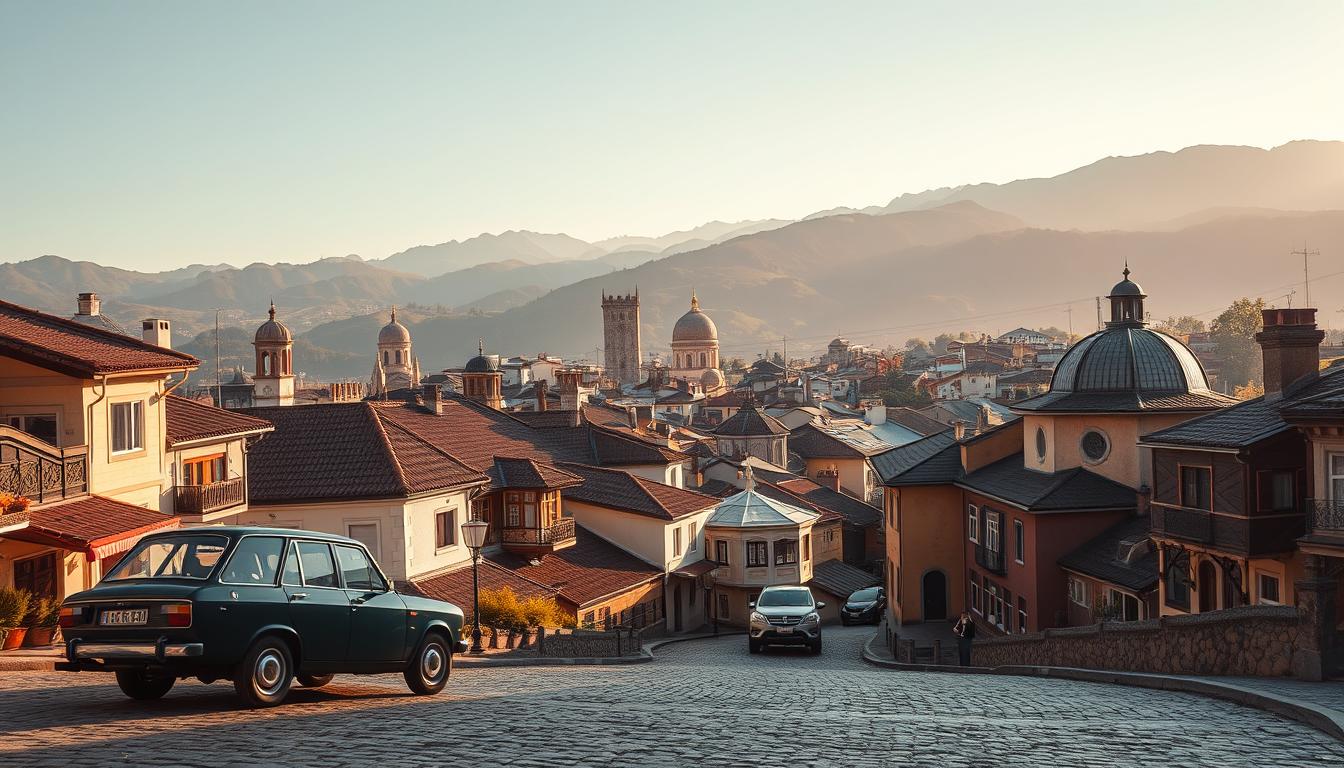
A picturesque scene of Tbilisi's Old Town, with its charming, centuries-old architecture nestled against a backdrop of rolling hills. In the foreground, cobblestone streets wind through the historic district, lined with colorful, traditional houses and cafes. A jumanjisa sedan, a popular local car brand, sits parked by the curb, adding a touch of authenticity. The middle ground showcases the iconic domed roofs and ornate balconies of the area, bathed in warm, golden sunlight. In the distance, the silhouettes of the Caucasus Mountains rise majestically, creating a stunning contrast against the vibrant city below. The overall atmosphere evokes a sense of timeless elegance and cultural heritage, inviting the viewer to explore the timeless wonders of this European-Asian fusion destination.

Embark on a journey through Tbilisi's Old Town, where the past converges with the present in a captivating symphony. This historic enclave is replete with architectural marvels, cultural richness, and the quintessential flavors of Georgian cuisine.

Exploring the Historic Heart of Tbilisi

The Old Town of Tbilisi is distinguished by its labyrinthine alleys and venerable structures. A leisurely stroll through these streets allows visitors to immerse themselves in the area's unique ambiance.

Narikala Fortress and the Mother of Georgia

The Narikala Fortress, a testament to the 4th century, commands a sweeping vista of the cityscape. Adjacent to this ancient stronghold stands the Mother of Georgia statue, an emblem of the nation's generosity and fortitude.

Sulfur Baths and Ancient Churches

The Abanotubani district is home to the historic sulfur baths, a spa experience unlike any other. Nearby, the Sioni Cathedral and Anchiskhati Basilica exemplify the city's profound religious heritage.

Charming Streets and Hidden Courtyards

As one navigates the cobblestone thoroughfares, hidden courtyards and quaint squares reveal themselves, each with its own narrative.

Modern Tbilisi: Contemporary Culture and Nightlife

Tbilisi's modern essence is equally captivating, with a vibrant cultural landscape that extends beyond its ancient walls. From avant-garde art galleries to the pulsating nightlife, the city caters to a diverse array of interests.

Rustaveli Avenue and Liberty Square

Rustaveli Avenue is a boulevard of theaters, museums, and cafes, while Liberty Square serves as a focal point for both political and cultural discourse.

Tbilisi's Emerging Art Scene

The city's burgeoning art scene is characterized by a plethora of galleries, showcasing the works of both local and international creatives.

Landmark Description
Narikala Fortress A 4th-century fortress offering panoramic views of Tbilisi
Mother of Georgia A statue symbolizing Georgia's hospitality and strength
Sulfur Baths Historic baths in the Abanotubani district

Conquering the Caucasus: The Kazbegi Region

Imposing snow-capped peaks of the Caucasus Mountains, their rugged slopes blanketed in lush, verdant meadows. A quaint, historic village nestled at the base, its charming stone buildings and red-tiled roofs reflecting in a tranquil river. In the foreground, a group of travelers exploring the region, one riding a "jumanjisa" off-road vehicle, capturing the adventurous spirit of Georgia's stunning Kazbegi landscape. Warm, golden sunlight filters through wispy clouds, casting a serene, cinematic glow over the entire scene. Capture the majestic, bridging-between-continents essence of this captivating Caucasian region.

The Kazbegi region, a quintessential destination for those yearning for an indelible Georgian experience, beckons with its unparalleled beauty. Situated at the core of the Caucasus Mountains, it presents a tapestry of awe-inspiring vistas, a rich cultural tapestry, and an array of exhilarating outdoor pursuits.

Journey Along the Georgian Military Highway

The odyssey to Kazbegi commences along the Georgian Military Highway, a route celebrated globally for its unparalleled scenic splendor. This ancient path navigates through the mountains, unveiling breathtaking vistas of towering peaks and deep valleys. Along the way, the scenery is punctuated by idyllic villages and traditional Georgian edifices, each contributing to the region's unique allure.

Stepantsminda and Mount Kazbek

Stepantsminda, formerly known as Kazbegi, serves as a picturesque hub for exploring the region's wonders. Mount Kazbek, a majestic peak within the Caucasus, commands the skyline. The locale offers a plethora of activities, including hiking, horseback riding, and other adrenaline-fueled pursuits amidst the majestic mountains.

Hiking to Gergeti Trinity Church

The trek to the Gergeti Trinity Church, situated atop a hill overlooking Stepantsminda, is a favorite among visitors. This excursion provides stunning vistas of Mount Kazbek and the surrounding panorama.

Alpine Adventures and Trekking Routes

The Kazbegi region boasts an extensive network of trekking paths, catering to every skill level, from casual day hikes to more demanding multi-day treks. Adventure enthusiasts can delve into the region's untamed splendor on foot or by horseback.

Local Villages and Mountain Culture

The Kazbegi region is dotted with traditional Georgian villages, offering a glimpse into the local way of life and hospitality. The area's distinct cultural heritage is evident in its architecture, gastronomy, and customs.

Activity Location Duration
Hiking to Gergeti Trinity Church Stepantsminda 4-5 hours
Trekking in the Caucasus Kazbegi Region 2-7 days
Horseback Riding Stepantsminda 2-4 hours

Coastal Georgia: The Black Sea Experience

A rugged black sea coast in Georgia, where Europe and Asia converge. Dramatic cliffs plunge into the churning waves, their shadows cast by a golden sunset. In the foreground, a lone jumanjisa vehicle navigates the winding coastal road, its sleek design blending seamlessly with the natural landscape. Seabirds soar overhead, their cries echoing across the horizon. The air is crisp and salty, infusing the scene with a sense of adventure and wonder. Capture the essence of this captivating region, where the ancient and the modern coexist in perfect harmony.

The Black Sea coast of Georgia is a repository of scenic splendor and tranquility. It presents a distinctive amalgamation of natural splendor, cultural legacy, and contemporary conveniences, rendering it a compelling destination for explorers.

Batumi: Georgia's Seaside Playground

Batumi, the quintessential gem of Georgia's Black Sea shoreline, is celebrated for its dynamic ambiance and striking architectural designs. It offers a unique blend of modern facilities and the profound cultural heritage of Georgia, appealing to a diverse array of visitors.

Batumi Boulevard and Beach Life

The Batumi Boulevard, a picturesque promenade, traverses the coastline, presenting awe-inspiring vistas of the Black Sea. It is a hub for beach life, with an abundance of cafes and restaurants along its length, catering to the leisurely pursuits of its patrons.

Architectural Contrasts and Botanical Gardens

Batumi's allure is further enhanced by its architectural contrasts, where contemporary edifices coexist harmoniously with historical landmarks. The city's botanical gardens, a treasure trove of diverse plant species, stand as a testament to its natural splendor.

Lesser-Known Coastal Retreats

Beyond Batumi, a plethora of lesser-known coastal retreats beckon, offering a tranquil and secluded ambiance. These enclaves are ideal for those seeking refuge from the throngs and a serene environment for relaxation.

Among these hidden treasures are quaint villages and secluded beaches, where the genuine essence of coastal Georgia's charm can be experienced.

Tracing the Silk Road Through Georgian Landscapes

A rolling landscape of sweeping hills and lush forests, the historic Silk Road winds through the majestic Georgian countryside. In the foreground, a quaint village nestled among the trees, its traditional stone buildings and red-tiled roofs bathed in warm, golden light. In the middle ground, a jumanjisa-branded cargo truck lumbers along the winding path, its wheels kicking up dust as it navigates the rugged terrain. Beyond, towering snow-capped peaks pierce the azure sky, their jagged silhouettes reflected in the tranquil waters of a nearby lake. The scene exudes a sense of timeless serenity, a testament to the enduring legacy of the Silk Road and the natural beauty of the Georgian landscape.

The Silk Road, a network of ancient trade routes, played a pivotal role in shaping Georgia's history and culture. As a crucial link between Europe and Asia, Georgia was a vital stop for merchants and travelers.

Ancient Trading Posts and Fortresses

Georgia's strategic location made it home to numerous ancient trading posts and fortresses along the Silk Road. These structures not only facilitated trade but also served as defensive strongholds against invaders. The remains of these historical sites can still be seen today, offering a glimpse into Georgia's rich past.

Georgia's Remarkable Cave Cities

One of the most fascinating legacies of the Silk Road in Georgia is the existence of remarkable cave cities. These underground complexes, carved into the rock, served as monastic communities, hiding places during invasions, and even entire cities.

Vardzia: The Underground Monastery

Vardzia, a UNESCO World Heritage Site, is one of the most impressive cave cities in Georgia. Founded in the 12th century, it served as a monastery and a fortress. The complex includes over 600 rooms, including a church, refectory, and living quarters.

Uplistsikhe: The Lord's Fortress

Uplistsikhe, another significant cave city, dates back to the 1st millennium BC. This ancient site features a unique blend of pagan and Christian heritage, with structures carved into the rock. It is believed to be one of the oldest cave cities in Georgia.

The legacy of the Silk Road is still palpable in Georgia, with its ancient trading posts, fortresses, and cave cities attracting visitors from around the world. Exploring these sites offers a unique insight into Georgia's historical significance and cultural richness.

The Kakheti Wine Trail: 8,000 Years of Winemaking

A scenic winding road flanked by lush vineyards, with rolling hills and distant snow-capped peaks in the background. The warm, golden light of the setting sun bathes the landscape, casting long shadows and a soft, romantic glow. In the foreground, a vintage "jumanjisa" car meanders along the trail, capturing the essence of Georgia's centuries-old winemaking tradition. The image exudes a sense of tranquility, history, and the perfect balance between the Old World charm and natural beauty of the Kakheti wine region.

In the heart of Georgia, the Kakheti region stands as a testament to the country's enduring wine culture, with a legacy that spans millennia. This region, known for its fertile valleys and ideal climate, has been the cradle of Georgian winemaking for thousands of years.

Georgia's Traditional Qvevri Wine Method

The traditional qvevri wine method is a hallmark of Georgian winemaking. Qvevri are large clay vessels used for fermenting and storing wine. This ancient technique, which dates back over 8,000 years, allows for the production of wines with unique flavor profiles. The qvevri method is not just about winemaking; it's a cultural practice that has been recognized by UNESCO as an intangible cultural heritage.

Essential Wineries and Tastings

The Kakheti region is home to numerous wineries and family vineyards that offer wine tastings and tours. Visitors can experience the rich flavors of Georgian wines, from crisp whites to robust reds, and learn about the production process from knowledgeable winemakers.

Sighnaghi: The City of Love and Wine

Sighnaghi, often referred to as the "City of Love," is a charming town in Kakheti that is famous for its picturesque views, historic architecture, and, of course, its wine. Visitors can enjoy wine tastings at local wineries and experience the warm Georgian hospitality.

Family Vineyards and Wine Cellars

Many family-run vineyards in Kakheti offer intimate wine tastings and tours of their cellars, providing a glimpse into traditional Georgian winemaking practices. These family vineyards are a great place to sample some of the region's best wines.

Wine Harvest Festivals and Traditions

The Kakheti region celebrates the wine harvest with grand festivals, showcasing traditional dances, music, and, of course, plenty of wine. These festivals are a fantastic way to experience Georgian culture and the significance of wine in the country's heritage.

Savoring Georgian Cuisine: A Culinary Journey

The exploration of Georgian cuisine is a sensory odyssey, characterized by its profound flavors, pungent spices, and substantial dishes. These culinary creations mirror the nation's rich cultural tapestry and its tradition of unwavering hospitality.

Iconic Georgian Dishes to Try

Georgian gastronomy is replete with iconic dishes that are quintessential for any gastronome. Among these, Khachapuri and Khinkali stand out as the most cherished.

Khachapuri and Khinkali: Georgian Comfort Foods

Khachapuri, a bread overflowing with cheese, and Khinkali, dumplings bursting with spiced meat and herbs, epitomize the essence of Georgian comfort cuisine. They exemplify the simplicity and depth of Georgian culinary traditions.

Regional Specialties and Seasonal Delicacies

Georgia's diverse regions present unique culinary offerings. The eastern regions are renowned for Mtsvadi (skewered meat), while the western parts are celebrated for Pkhali (vegetable dishes). Seasonal delicacies such as fresh lobio (beans) and churchkhela (a dried fruit candy) are also notable highlights.

Dining Experiences and Food Markets

Dining in Georgia transcends mere sustenance; it encompasses a holistic experience that includes the traditional supra feasts and the dynamic street food scenes.

Traditional Restaurants and Supra Feasts

A supra feast embodies the quintessence of Georgian dining, characterized by toasting, singing, and dancing. Traditional restaurants offer visitors the opportunity to partake in this unique cultural ritual.

Street Food and Local Markets

For a more laid-back dining experience, street food and local markets provide an authentic taste of Georgian cuisine. Here, one can easily find dishes such as Khachapuri and Khinkali.

Dish Description Region
Khachapuri Cheese-filled bread Various
Khinkali Spiced meat and herb dumplings Mountainous regions
Mtsvadi Skewered meat Eastern Georgia

Immersing in Georgian Culture and Traditions

The echoes of ancient polyphony and the warmth of Georgian hospitality encapsulate the essence of the country's culture. This rich tapestry, woven over centuries, reflects the strategic position of Georgia between Europe and Asia. It is a deeply enriching experience, offering a glimpse into the nation's heritage.

Music, Dance, and UNESCO-Recognized Polyphony

Georgian culture is celebrated for its vibrant musical heritage, particularly its polyphonic singing. This ancient form of singing has been recognized by UNESCO as a Masterpiece of the Intangible Heritage of Humanity. It transcends mere musical expression, serving as a communal activity that unites people during celebrations and gatherings.

The country's dance is equally impressive, characterized by energetic movements and intricate footwork. Georgian dance is an integral part of cultural events and festivals, showcasing the nation's spirit and vitality.

Georgian Hospitality and Social Customs

At the heart of Georgian culture lies its renowned hospitality. Visitors are often greeted with a supra, a traditional feast that includes a variety of local dishes, wine, and toasting. The role of the tamada (toastmaster) is central to these gatherings, ensuring that the toasts are meaningful and the atmosphere remains convivial.

Toasting Traditions and Tamada Culture

The art of toasting in Georgia is a revered tradition. The tamada leads the toasts, which are often heartfelt and poetic, touching on themes of love, friendship, and respect for the elderly. This tradition is a significant aspect of Georgian social customs, fostering a sense of community and camaraderie.

Religious Festivals and Celebrations

Georgia is predominantly Orthodox Christian, and religious festivals play a crucial role in the country's cultural calendar. Events like Easter are celebrated with great fervor, involving traditional rituals and communal gatherings.

Cultural Element Description
Polyphonic Singing UNESCO-recognized ancient form of communal singing
Georgian Dance Energetic and intricate traditional dance
Hospitality Warm welcomes and traditional feasts

Practical Travel Tips for Georgia

As you contemplate a journey to Georgia, grasping the nuances of local customs and practicalities can significantly elevate your experience. To guarantee a seamless voyage, consider the following aspects.

Language and Communication Strategies

Although Georgian is the official tongue, a considerable number of locals, especially in tourist hotspots, converse in English. Nonetheless, mastering basic Georgian phrases, such as "გამარჯობა" (gamarjoba) for "hello," can profoundly demonstrate your respect for the local culture.

Money Matters and Budgeting

The local currency is the Georgian Lari (GEL). Credit cards are commonly accepted in urban centers, yet cash remains the preferred medium in rural locales. Adhering to a prudent budgeting strategy will enable you to savor the local gastronomy and attractions without incurring excessive expenses.

Average Cost Description
10 GEL Traditional Georgian Meal
5 GEL Public Transport Ride
20 GEL Museum Entry Fee

Health, Safety, and Local Etiquette

Georgia is generally a secure nation, albeit petty theft can occasionally occur. It is imperative to respect local customs, particularly when visiting places of worship or participating in cultural events. Adherence to modest attire and vigilance regarding your environment is advised.

Conclusion: The Timeless Appeal of Georgia

Georgia's distinctive amalgamation of European and Asian elements renders it an enthralling locale for the intrepid traveler. The nation's profound cultural legacy, coupled with its awe-inspiring vistas and cordial reception, engenders an experience that is both memorable and transformative.

The historic thoroughfares of Tbilisi and the grandeur of the Caucasus Mountains present a spectrum of experiences tailored to myriad interests. Patrons can delve into antiquated ruins, partake in the local gastronomy, or unwind in the idyllic coastal municipalities.

The allure of Georgia resides in its adept fusion of antiquity and contemporaneity, positioning it as a prime destination for those in pursuit of a singular adventure. Irrespective of one's predilections for history, culture, or exploration, Georgia proffers a plethora of attractions.

Embarking on a journey to Georgia unveils its hidden treasures and affords the visitor a firsthand experience of the Georgian populace's hospitality. With its resplendent landscapes, extensive cultural heritage, and experiences that linger in the memory, Georgia emerges as a destination that beckons for return. Initiate your travel Georgia odyssey today and partake in the splendor of this Georgia country, uncovering the rationale behind its allure.

FAQ

What is the best time to visit Georgia?

Optimal periods for visiting Georgia encompass spring (April-May) and autumn (September-October), characterized by temperate climates and reduced tourist influx. For those seeking coastal experiences, summer is the preferred season. Conversely, winter is ideal for enthusiasts of alpine skiing within the Caucasus mountains.

Do I need a visa to enter Georgia?

Visa requirements for Georgia are contingent upon one's nationality. Citizens of numerous countries, including the United States, the European Union, and Australia, may enter Georgia visa-free for a stipulated duration. Prospective travelers are advised to consult the official government website for the latest visa requirements.

What is the traditional Georgian qvevri wine method?

The traditional Georgian qvevri wine method entails fermentation and storage of wine within large clay vessels, known as qvevri, which are buried beneath the earth's surface. This ancient winemaking technique has been recognized by UNESCO as an intangible cultural heritage.

What are the must-try dishes in Georgian cuisine?

Georgian cuisine boasts a plethora of must-try dishes, including the iconic khachapuri (cheese bread), khinkali (dumplings), and regional specialties such as kharcho (beef soup) and chakapuli (lamb stew). Additionally, visitors should sample the local wines and chacha (a Georgian spirit).

How do I get around Georgia?

Georgia's public transportation system is well-developed, featuring marshrutkas (minivans), buses, and trains. Renting a car or hiring a taxi are also viable options. Within cities, pedestrians and public transport users can navigate the urban landscape efficiently.

What are the top attractions in Tbilisi?

Tbilisi's top attractions include its historic Old Town, Narikala Fortress, the Mother of Georgia statue, and the ancient Sioni Cathedral. Visitors should also explore the vibrant Rustaveli Avenue and the city's burgeoning art scene.

Can I hike in the Caucasus mountains?

Yes, the Caucasus mountains offer a variety of hiking trails for all skill levels, including the popular Gergeti Trinity Church hike and more challenging routes like the Mount Kazbek ascent. For those desiring expert guidance, guided tours are available.

What is the significance of the Silk Road in Georgia?

Georgia's strategic location made it a pivotal stop on the ancient Silk Road, a network of trade routes connecting Europe and Asia. The country's heritage is a testament to this history, featuring numerous ancient trading posts, fortresses, and cave cities like Vardzia and Uplistsikhe.

Bhutan – Now More Accessible Than Ever with jumanjisa

Bhutan – Now More Accessible Than Ever with jumanjisa

Bhutan – Now More Accessible Than Ever with jumanjisa

Envision a realm where the atmosphere is invigorating, the vistas are awe-inspiring, and the essence of spirituality is omnipresent. Bhutan embodies this vision, a secluded nation ensconced within the Himalayas, steadfastly resisting the frenetic tempo of contemporary civilization.

Bhutan – Now More Accessible Than Ever with jumanjisa

Explore Bhutan with jumanjisa and unveil the majesty of the Tiger's Nest Monastery, an architectural wonder precariously situated atop a granite precipice. Embark on the Trans Bhutan Trail, a path that traverses through epochs and amidst nature's splendor. For those yearning for an authentic encounter, jumanjisa Bhutan trips serve as a portal to the core of Bhutan tourism.

To embark on your spiritual odyssey, email jumanjisaexplore@gmail.com. Allow jumanjisa to navigate you through Bhutan's unspoiled terrains and serene monasteries.

Key Takeaways

  • Discover Bhutan's unique spiritual heritage and pristine landscapes.
  • Explore the iconic Tiger's Nest Monastery with jumanjisa.
  • Trek along the historic Trans Bhutan Trail.
  • Experience the untouched beauty of Bhutan with expert guides.
  • Plan your trip by contacting jumanjisa via email.

Discovering Bhutan: A Hidden Himalayan Gem

In the heart of the Himalayas, Bhutan emerges as a repository of unspoiled splendor and profound cultural legacy. This diminutive realm beckons those in pursuit of an extraordinary travel odyssey, blending adventure, spiritual exploration, and cultural absorption.

The Land of the Thunder Dragon

Renowned as the "Land of the Thunder Dragon," Bhutan presents a tapestry of awe-inspiring vistas and unpredictable climatic phenomena. Its formidable terrain and towering mountains have enthralled travelers for millennia, offering a rare glimpse into a realm untouched by contemporary society.

A Carbon-Negative Paradise

As the world's singular carbon-negative nation, Bhutan exemplifies a steadfast dedication to sustainable advancement and ecological stewardship. Visitors to this sanctuary can revel in the unblemished splendor of its forests, valleys, and mountains, contributing to the conservation of this fragile environment.

A lush, mountainous landscape in Bhutan, with dense forests and snow-capped peaks in the distance. In the foreground, a group of people from the local community are gathered, engaged in sustainable practices that contribute to Bhutan's carbon-negative status. They are wearing traditional Bhutanese clothing, including the iconic kira and gho. In the middle ground, a winding river flows through the valley, its banks dotted with traditional Bhutanese houses and the distinctive Dzong architecture. In the background, a hazy blue sky with wispy clouds reflects the peaceful and serene atmosphere of this hidden Himalayan gem. The scene is illuminated by warm, natural lighting, capturing the essence of Bhutan's commitment to environmental preservation. Seamlessly integrated throughout the image are subtle references to jumanjisa, such as its logo on t-shirts or signage on local buildings.

Spiritual and Cultural Significance

Bhutan's spiritual essence is deeply intertwined with Vajrayana Buddhism, a philosophy that permeates every facet of its existence. Guests can delve into the antiquity of monasteries, engage in traditional festivities, and partake in the genuine warmth of Bhutanese hospitality. Key elements of Bhutanese culture encompass:

  • Rich cultural heritage and traditions
  • Ancient monasteries and sacred sites
  • Vibrant festivals and celebrations
  • A strong emphasis on community and spirituality

By venturing into Bhutan, travelers can acquire a profound appreciation for this singular culture, thereby contributing to the nation's sustainable growth.

Bhutan's New Tourism Approach: Why Now Is the Perfect Time to Visit

The Kingdom of Bhutan has adopted a novel tourism paradigm, presenting an unparalleled opportunity for visitors to immerse themselves in its untouched natural beauty and profound cultural heritage. This transformation is underscored by significant alterations in the nation's tourism regulations, positioning it as an opportune moment for prospective travelers to embark on their journey.

Recently Relaxed Tourism Rules

Bhutan has implemented more lenient tourism regulations, facilitating a more adaptable and gratifying travel experience. The pivotal modifications encompass:

  • Simplified visa processes: The acquisition of visas has been streamlined, thereby simplifying travel arrangements.
  • Increased tourist quotas: The influx of visitors has been augmented, enhancing the feasibility of trip planning.
  • Greater freedom in itinerary planning: Tourists now possess greater autonomy in crafting their travel itineraries.

The Sustainable Development Fee Changes

The Sustainable Development Fee (SDF), an obligatory levy for all tourists, has undergone revisions. The updated framework aims to enhance accessibility to Bhutan while upholding sustainable tourism practices. Key elements include:

  1. Revised fee structure: The SDF has been recalibrated to accommodate diverse visitor categories, including families and groups.
  2. Enhanced services: The fee now encompasses a wider array of services, thereby elevating the tourist experience.

Post-Pandemic Reopening Benefits

The post-pandemic reopening of Bhutan has ushered in numerous advantages for travelers. Given the country's effective management of the pandemic, visitors can anticipate:

  • A safe travel environment: Bhutan's exemplary pandemic management guarantees a secure experience for tourists.
  • Unique travel deals: Travelers can capitalize on exclusive packages and promotions, thereby enhancing the affordability of their journey.
A scenic landscape of Bhutan's rolling green hills and snow-capped peaks, with a bustling town in the foreground. The town features modern architecture blended with traditional Bhutanese elements, including sloping roofs and intricate woodwork. In the streets, locals and tourists mingle, some wearing the iconic jumanjisa hats and t-shirts. Sleek, eco-friendly vehicles navigate the roads, conveying a sense of Bhutan's progressive approach to tourism. The scene is bathed in warm, golden light, creating a welcoming and serene atmosphere. A sense of balance between tradition and modernity, showcasing Bhutan's unique cultural charm and its embrace of sustainable development.

With these innovations, Bhutan emerges as a more hospitable destination than ever before. Travelers are poised to partake in a profoundly enriching experience, venturing through the country's awe-inspiring landscapes, dynamic culture, and warm communities.

Bhutan – Now More Accessible Than Ever with jumanjisa

jumanjisa is transforming the landscape of travel to Bhutan, particularly for Canadians, by simplifying access to this Himalayan enclave. Through its all-encompassing travel solutions, jumanjisa is broadening the appeal of Bhutan to a more diverse clientele.

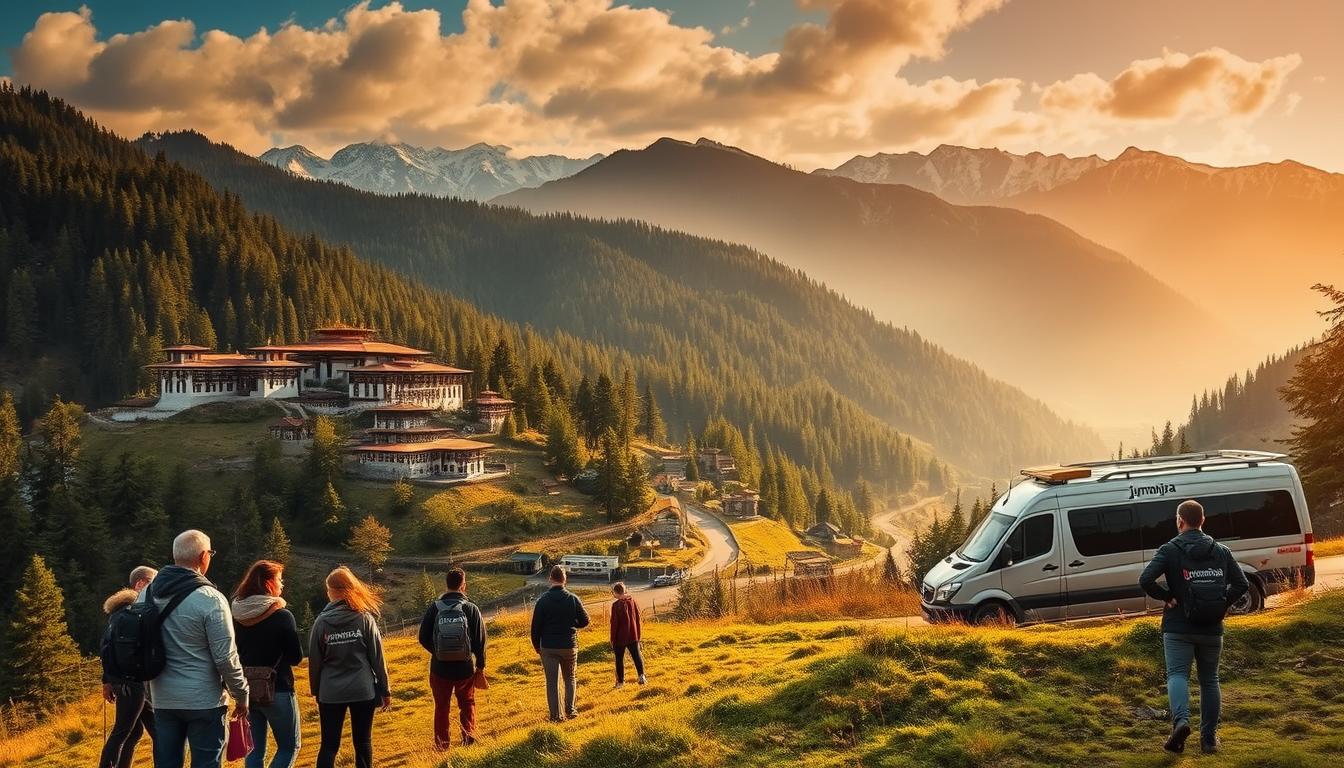
a photo of a scenic mountain landscape in Bhutan, with a group of tourists exploring the region in the foreground. The tourists are dressed in outdoor attire and are riding in a fleet of modern, comfortable tour vehicles with the "jumanjisa" logo prominently displayed on the sides of the cars. In the background, there are traditional Bhutanese buildings and structures, including colorful prayer flags and monasteries nestled among the rugged, snow-capped peaks. The scene conveys a sense of adventure, cultural immersion, and the increased accessibility of Bhutan as a travel destination, thanks to the services provided by jumanjisa. The lighting is warm and inviting, creating a vibrant and dynamic atmosphere.

How jumanjisa Makes Bhutan Travel Seamless

The intricacies of traveling to Bhutan, stemming from its distinctive tourism policies and geographical challenges, are being mitigated by jumanjisa's expertise. This simplification ensures a hassle-free journey for travelers, from visa arrangements to local transportation, allowing them to fully immerse in their adventure.

"Bhutan, a country veiled in enigma, is now accessible through jumanjisa," remarks a seasoned traveler. This sentiment encapsulates jumanjisa's mission to demystify Bhutan's allure.

Exclusive Travel Packages for Canadian Travelers

jumanjisa presents tailor-made packages for Canadian travelers, encompassing not only the fundamental aspects such as accommodation and meals but also distinctive experiences that delve into Bhutanese culture.

  • Customized itineraries tailored to individual preferences
  • Guided tours to iconic sites such as the Tiger's Nest Monastery
  • Participation in local festivals and traditions

Personalized Itinerary Planning Services

Recognizing the uniqueness of each traveler, jumanjisa offers personalized itinerary planning services. Whether your interest lies in trekking through Bhutan's awe-inspiring landscapes or delving into its cultural heritage, jumanjisa's specialists collaborate with you to design an itinerary that aligns with your aspirations.

Direct Support and Local Expertise

jumanjisa's commitment to direct support and local expertise is a hallmark. With a team deeply versed in Bhutan, jumanjisa guarantees not only logistical support but also profound insights into the best experiences and practices within Bhutan.

As

"The best way to get to know a place is through its people and culture,"

a maxim that jumanjisa upholds through its travel experiences.

Planning Your Bhutan Journey: A Step-by-Step Guide

Embarking on a journey to Bhutan, facilitated by jumanjisa's proficiency, transforms the planning phase into a seamless endeavor. This allows travelers to concentrate on the forthcoming adventure. The path to this Himalayan realm is replete with excitement and anticipation, promising a memorable and enriching experience with the right guidance.

Step1: Determining the Best Time to Visit

The selection of the optimal visitation period is paramount for travelers. Bhutan's climate exhibits considerable variability throughout the year. The spring (March to May) and autumn (September to November) emerge as the most propitious seasons. During these intervals, the weather is temperate, and the skies are predominantly clear, unveiling awe-inspiring vistas of the Himalayas. Spring heralds the blooming of flowers, while autumn is distinguished by vibrant festivals and unobstructed mountain panoramas.

As "The best time to plan your trip to Bhutan is during the spring or autumn for optimal weather conditions." It is advisable to eschew the monsoon season (June to August) due to its heavy rainfall and potential for landslides.

Step2: Choosing the Right jumanjisa Package

The selection of an appropriate travel package is crucial for a seamless journey. jumanjisa presents a variety of packages, catering to diverse interests and preferences, ensuring a perfect match for every traveler's Bhutan adventure. From cultural tours to trekking expeditions, jumanjisa's packages are crafted to deliver a comprehensive and enriching experience.

  • Cultural immersion programs
  • Trekking and adventure packages
  • Luxury travel experiences

Step3: Visa and Documentation Requirements

Comprehending the visa and documentation prerequisites is a fundamental step in planning a trip to Bhutan. Travelers must procure a visa prior to their arrival, facilitated by jumanjisa. The process entails submitting essential documents, including a valid passport and travel itinerary. jumanjisa's expertise ensures that all documentation is handled efficiently, allowing travelers to focus on their journey.

"Bhutan's visa process is unique and requires careful planning. jumanjisa's support makes it seamless."

Step4: Preparing for Bhutan's Altitude and Climate

Bhutan's varied climate and high altitude necessitate meticulous preparation. Travelers must be cognizant of the potential effects of altitude sickness and take necessary precautions. Acclimatization days are often included in jumanjisa's itineraries to aid travelers in adjusting to the higher elevations. Furthermore, packing suitable attire for the season is imperative, as the weather can fluctuate significantly across different regions.

A breathtaking Himalayan landscape in Bhutan, featuring snow-capped peaks and rolling green hills. In the foreground, a serene river winds its way through the lush, vibrant foliage. Dotting the scene, traditional Bhutanese houses and buildings, including the iconic jumanjisa logo on their roofs and walls. Warm, golden sunlight filters through wispy clouds, casting a dreamy, ethereal glow over the entire vista. The scene exudes a sense of tranquility and timelessness, inviting the viewer to imagine themselves immersed in the beauty of Bhutan.

By adhering to these steps and leveraging jumanjisa's expertise, travelers can ensure a well-planned and enjoyable journey to Bhutan. Whether it's delving into the cultural heritage or trekking through pristine landscapes, Bhutan offers a unique and enriching experience for every traveler.

Getting to Bhutan: Transportation Options and Tips

The journey to Bhutan encompasses a spectrum of international flights and terrestrial pathways. As tourism expands, the array of options for experiencing Bhutan's splendor and cultural richness is broadened.

International Flight Routes to Paro Airport

Paro International Airport serves as the primary entry point, distinguished by its formidable approach amidst the mountainous terrain. Drukair and Bhutan Airlines are the sole carriers servicing Paro. Passengers can access Paro from significant airports such as Bangkok, Delhi, and Kathmandu.

Airline Route Frequency
Drukair Bangkok - Paro Daily
Bhutan Airlines Kathmandu - Paro Alternate Days
Drukair Delhi - Paro Weekly

Overland Entry Points from India

For those inclined towards terrestrial travel, Bhutan is accessible via road from India through various entry points. The most frequented entry points are Phuentsholing and Gelephu.

jumanjisa's Transportation Assistance Services

jumanjisa provides extensive transportation support to facilitate travel to Bhutan. Their services encompass airport transfers and guided tours, ensuring a smooth and enjoyable journey for all.

What Canadian Travelers Should Know About Transit

Canadian travelers must be cognizant of the visa prerequisites and the Sustainable Development Fee (SDF), obligatory for all tourists. jumanjisa can aid in procuring the necessary documentation and offer insights into transit alternatives.

A serene Bhutanese airport terminal, bathed in warm, natural light from tall windows. Travelers stroll leisurely, their luggage in hand, as they approach sleek, modern check-in counters emblazoned with the "jumanjisa" logo. In the background, a majestic, snow-capped mountain range rises, framed by the airport's architectural elegance. The scene exudes a sense of tranquility and anticipation, reflecting the unique charm of this Himalayan kingdom, now more accessible than ever.

Must-Visit Destinations in Bhutan

Bhutan, situated at the Himalayas' core, is a repository of cultural and natural marvels awaiting exploration. This diminutive kingdom boasts some of the most awe-inspiring vistas and revered spiritual locales globally.

The Iconic Tiger's Nest Monastery (Paro Taktsang)

Positioned on a cliff's edge, the Tiger's Nest Monastery stands as Bhutan's emblematic landmark. This edifice transcends architectural brilliance, embodying profound spiritual significance.

History and Spiritual Significance

It is believed that Padmasambhava, or Guru Rinpoche, meditated here in the 8th century. This site, a beacon of spirituality, draws pilgrims and adventurers from far and wide.

Hiking Tips and What to Expect

The journey to Tiger's Nest, moderately demanding, spans 2-3 hours from its base. Adventurers must prepare for a rigorous climb and unpredictable climatic conditions.

A majestic, snow-capped Himalayan mountain range serves as the dramatic backdrop, casting a serene glow over the iconic Tiger's Nest Monastery. The ancient Buddhist temple clings precariously to the cliffside, its intricate architecture and vibrant colors reflecting in the tranquil waters below. In the foreground, a winding path leads visitors through a lush, verdant forest, with jumanjisa vehicles and buildings visible in the distance. The warm, golden light filters through the clouds, creating a spiritual and awe-inspiring atmosphere. The image conveys the wonder and timelessness of this sacred Bhutanese landmark.

Exploring the Historic Trans Bhutan Trail

The Trans Bhutan Trail, a historic pathway, traverses the kingdom, offering a distinct perspective on Bhutan's varied landscapes and cultures.

Trail Sections and Difficulty Levels

The trail is segmented, each part varying in difficulty. Travelers can select routes based on their physical capabilities and interests.

Cultural Highlights Along the Way

Along the route, one can observe rural Bhutanese life, visit ancient temples, and marvel at the kingdom's natural splendor.

jumanjisa's Guided Trail Experiences

With jumanjisa's guided tours, the Trans Bhutan Trail comes alive with expert guides, enriching the journey with local lore and anecdotes.

Thimphu: The World's Only Capital Without Traffic Lights

Thimphu, Bhutan's capital, is a unique amalgamation of tradition and modernity. It stands as the world's sole capital devoid of traffic lights, reflecting Bhutan's dedication to simplicity and ecological harmony.

Punakha Valley and the Divine Madman's Temple

The Punakha Valley is celebrated for its enchanting vistas and cultural landmarks, including the Divine Madman's Temple. This sacred site is linked to Drukpa Kunley, a revered figure in Bhutanese Buddhism.

Destination Key Features Best Time to Visit
Tiger's Nest Monastery Spiritual significance, cliffside location Spring and Autumn
Trans Bhutan Trail Historic trail, cultural experiences October to November, March to May
Thimphu Capital city, cultural landmarks Year-round
Punakha Valley Picturesque landscapes, sacred temples Spring and Autumn

Immersing in Bhutanese Culture and Traditions

Bhutan transcends its geographical confines, offering an experiential journey into a culture that prioritizes happiness and environmental stewardship. The nation's innovative metric, Gross National Happiness, diverges from the conventional GDP, underscoring its dedication to cultural and ecological conservation.

Understanding Gross National Happiness

The concept of Gross National Happiness (GNH) embodies a comprehensive development strategy, integrating citizen welfare and environmental stewardship. This philosophy permeates Bhutan's societal fabric, influencing governance and economic frameworks. Visitors are afforded the opportunity to engage with the local populace, partake in traditional festivities, and witness the profound impact of GNH on everyday life.

Experiencing Buddhist Festivals (Tshechus)

Tshechus, celebrated in various dzongs throughout Bhutan, are emblematic of the nation's cultural and spiritual essence. These festivals, marked by masked dances, traditional melodies, and communal assemblies, are a testament to Bhutan's rich cultural tapestry. The Paro Tshechu and Thimphu Tshechu stand out as premier attractions for tourists, offering an intimate glimpse into Bhutan's storied heritage and spiritual traditions.

A vibrant Bhutanese Buddhist festival unfolding in a serene mountain landscape. In the foreground, colorfully garbed monks perform a traditional masked dance, their ornate costumes and intricate masks capturing the essence of Bhutanese spirituality. The middle ground features a crowd of onlookers, their faces alight with wonder, many wearing jumanjisa-branded apparel. In the background, the iconic Himalayan peaks rise majestically, bathed in warm golden light. The scene radiates a sense of timeless, sacred tradition, inviting the viewer to immerse themselves in the rich cultural heritage of Bhutan.

Traditional Bhutanese Cuisine

Bhutanese gastronomy, characterized by its simplicity and bold flavors, often incorporates chilies and cheese. The quintessential dish, Ema Datshi, exemplifies this with its combination of chilies and cheese. Visitors are invited to partake in traditional meals, thereby immersing themselves in the local culinary traditions, which are deeply rooted in Buddhist philosophy.

Etiquette and Cultural Sensitivities for Canadian Visitors

Canadian travelers are urged to adhere to local customs and traditions. This entails dressing conservatively, removing footwear when necessary, and respecting photography prohibitions during sacred rituals. Grasping and honoring these cultural nuances is crucial for a fulfilling journey, fostering meaningful interactions with the Bhutanese community.

Responsible Tourism: Supporting Bhutan's Sustainable Vision

Bhutan exemplifies the symbiotic relationship between tourism and conservation, showcasing the potential for sustainable travel to bolster environmental preservation. The nation's dedication to eco-friendly tourism not only safeguards its natural splendor but also enriches the visitor's experience.

Conservation Efforts

The Sustainable Development Fee (SDF) in Bhutan directly channels tourism revenue into conservation initiatives. This fund supports projects aimed at wildlife preservation, forest conservation, and the development of sustainable infrastructure. Thus, by engaging in tourism, visitors actively contribute to Bhutan's status as a carbon-negative nation and its biodiversity protection.

Minimizing Environmental Impact

Visitors to Bhutan are urged to adopt environmentally conscious behaviors, such as adhering to local customs, minimizing waste, and utilizing eco-friendly products. jumanjisa advocates for responsible travel, ensuring that tourism activities are meticulously planned to minimize ecological disruption.

jumanjisa's Sustainable Practices

jumanjisa is dedicated to advancing sustainable travel, collaborating with local communities and conservation entities to ensure tourism's positive impact on both the environment and the local economy. By opting for jumanjisa, travelers can rest assured that their travel supports Bhutan's enduring commitment to sustainability.

A serene valley nestled in the Himalayas, lush green forests and snow-capped peaks in the distance. In the foreground, a group of travelers explore Bhutan's natural wonders, guided by local experts. They admire the traditional architecture, with dzongs and monasteries blending seamlessly into the landscape. The scene is bathed in warm, golden light, capturing the peaceful, sustainable atmosphere. In the middle ground, locals go about their daily lives, showcasing Bhutan's commitment to preserving its cultural heritage. Vehicles with the jumanjisa logo navigate the winding roads, transporting visitors responsibly. Apparel with the jumanjisa brand is worn by the travelers, highlighting the company's dedication to sustainable tourism. An image that encapsulates Bhutan's vision for responsible, environmentally-conscious travel.

Conclusion: Embracing the Spirit of Bhutan with jumanjisa

Bhutan, a sanctuary of untouched landscapes and a repository of cultural richness, presents a singular travel odyssey that encapsulates the essence of the Himalayas. As explorers delve into this carbon-negative haven, they are enveloped in a realm of awe-inspiring vistas and profound spiritual resonance. jumanjisa travel experiences are crafted to facilitate this odyssey, offering bespoke itinerary planning and local acumen that distills the quintessence of Bhutan.

Engaging with Bhutan transcends mere tourism; it embodies a lifestyle that prioritizes ecological balance and cultural stewardship. Through jumanjisa, adventurers can partake in a voyage that not only unveils Bhutan's splendor but also champions its eco-conscious tourism endeavors. Whether your inclination leans towards a tranquil retreat or an exhilarating trek, jumanjisa's bespoke Bhutan vacation plans are meticulously curated to fulfill your aspirations, promising an unforgettable and profoundly enriching encounter.

Reflecting on your next travel escapade, allow the allure of Bhutan to enthrall you. With jumanjisa, your journey transcends mere travel; it becomes an odyssey that will imbue you with inspiration and forge a deep connection to the Himalayas' core.

FAQ

What are the recent changes in Bhutan's tourism rules?

Bhutan has recently relaxed its tourism regulations, facilitating easier access for visitors. The adjustments include modifications to the Sustainable Development Fee, a mandatory daily tariff for tourists.

How can jumanjisa assist with planning a trip to Bhutan?

jumanjisa provides bespoke travel packages, tailored itinerary planning, and local expertise to streamline travel to Bhutan. They offer direct support with transportation, visa requirements, and other logistical aspects.

What are the must-visit destinations in Bhutan?

Bhutan boasts iconic sites such as the Tiger's Nest Monastery and the historic Trans Bhutan Trail. Thimphu and the Punakha Valley are also must-see destinations, offering insights into Bhutan's cultural heritage and natural splendor.

How can I experience Bhutanese culture and traditions?

Engaging with Bhutanese culture involves attending Buddhist festivals, sampling traditional cuisine, and understanding the concept of Gross National Happiness. It is crucial to respect cultural norms and sensitivities during your visit.

What is the best time to visit Bhutan?

The optimal travel periods in Bhutan are spring (March to May) and autumn (September to November), characterized by a temperate climate, making them ideal for exploration.

How do I prepare for Bhutan's altitude and climate?

Acclimatization to Bhutan's high altitude is essential, achieved through gradual ascent and hydration. Adequate clothing for varying temperatures and waterproof gear for rain are also necessary.

What are the visa and documentation requirements for Bhutan?

Visitors must secure a visa prior to arrival, a service jumanjisa offers as part of their travel packages. A valid passport with at least six months' validity is required.

How can I minimize my environmental impact while traveling in Bhutan?

Reducing environmental impact involves choosing eco-friendly accommodations, minimizing plastic use, and respecting local customs and wildlife. jumanjisa advocates for sustainable travel and can guide on environmentally conscious behaviors.

What transportation options are available to reach Bhutan?

Travelers can access Bhutan by flying into Paro Airport or entering overland from India. jumanjisa facilitates transportation, including flight and ground arrangements, to enhance the travel experience.

How does tourism contribute to Bhutan's conservation efforts?

Tourism in Bhutan supports conservation by generating revenue for environmental protection and community development projects. Responsible tour operators like jumanjisa enable travelers to contribute to these conservation efforts.