
USA, Iran, and Israel War in 2026: Could It Lead to World War 3?
In March 2026, people are watching the Middle East with a tight feeling in their chest. The USA, Israel, and Iran war is no longer a distant headline. The US and Israel have struck targets inside Iran, and Iran has retaliated with missiles and drones across the region. Early reports also describe US casualties, closed embassies, and rising fear around oil supplies.
At the center of public anxiety is one phrase: "World War 3." For this post, that term means multiple major powers fighting each other directly, not "just" a large regional war.
Here's what's happening, how this conflict could widen, what would have to change for a true world war, and what signals to watch next.
What's happening right now in the USA, Iran, and Israel war (March 2026)
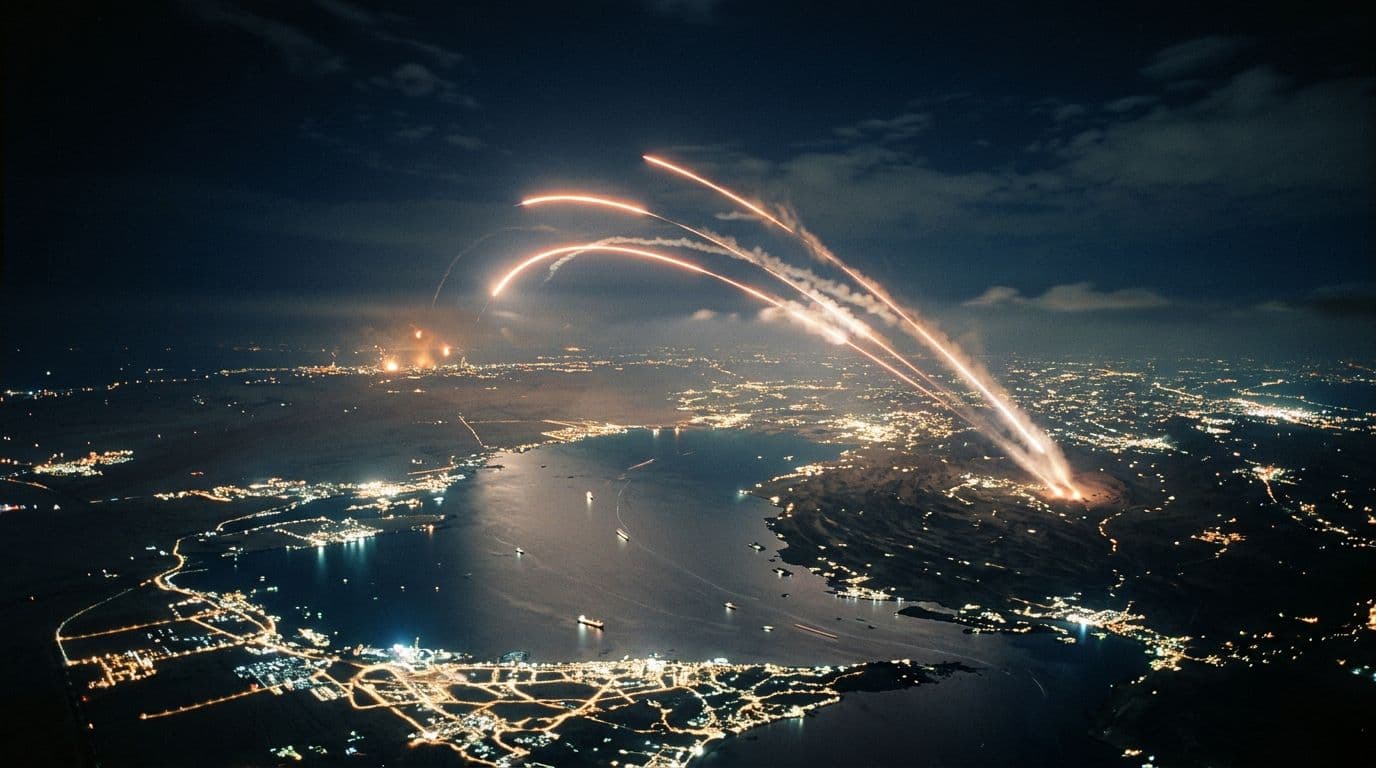 Missile and airstrike activity across the region, as people track a fast-moving conflict (created with AI).
Fighting has escalated quickly since late February. Reports say the conflict began February 28, 2026, after nuclear talks failed days earlier. By early March, it had become a sustained campaign of strikes and retaliation across several countries.
How the war started, and why the nuclear talks mattered
According to public reporting, negotiations over Iran's nuclear program broke down after late-February talks in Geneva showed no real progress. A US deadline for a deal passed, and then surprise strikes began.
Why do nuclear talks raise the temperature so fast? Because nuclear capability changes how leaders think about risk. If a country gets closer to a weapon, rivals may feel a time crunch. In contrast, the country under pressure may feel cornered, and act more aggressively to restore deterrence. That's how "red lines" harden, even when nobody wants a full-scale war.
What the fighting looks like: strikes, retaliation, and proxy groups
The reporting describes a large US-Israel strike campaign inside Iran. The US has reportedly hit close to 2,000 targets, while Israel has flown about 1,600 combat flights and dropped thousands of munitions. Targets described in coverage include air defenses, missile sites, command centers, and naval assets, along with facilities tied to nuclear research.
Iran has responded with missiles and drones aimed at Israel and at regional targets linked to US and allied presence. Several countries have been affected by incoming threats or spillover risk, including Gulf states. For example, the UAE has reportedly intercepted hundreds of missiles and drones since the fighting began.
Meanwhile, proxy warfare is no longer theoretical. Hezbollah has formally entered the war, launching rockets and drones from Lebanon. Israel has reportedly sent ground forces into southern Lebanon, which expands the map of fighting and adds more chances for miscalculation.
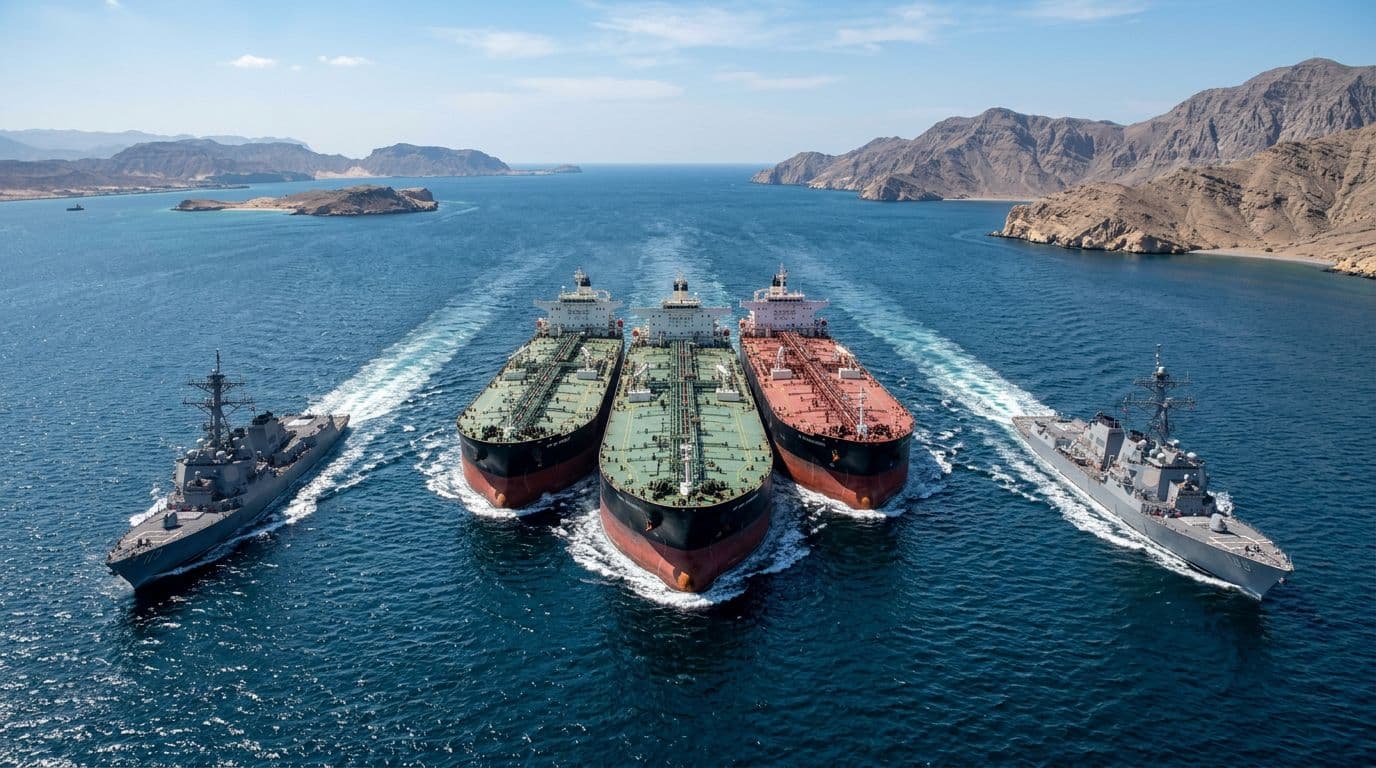 Shipping routes near the Strait of Hormuz matter because disruptions can ripple into global fuel prices (created with AI).
Oil and shipping fears are not side issues. The Strait of Hormuz is a narrow chokepoint for energy exports. Even limited disruption can push prices up, raise insurance costs for ships, and pressure governments far from the region.
One more destabilizing detail is political uncertainty inside Iran. Reports say Supreme Leader Ali Khamenei was killed in the initial strikes, followed by mourning and a tense succession process.
What we don't know yet: early casualty numbers, damage claims, and even some high-profile reports can shift as evidence emerges. In fast wars, all sides also manage information aggressively, so today's "confirmed" detail can become tomorrow's correction.
Could this spiral into World War 3, and what would have to change for that to happen?
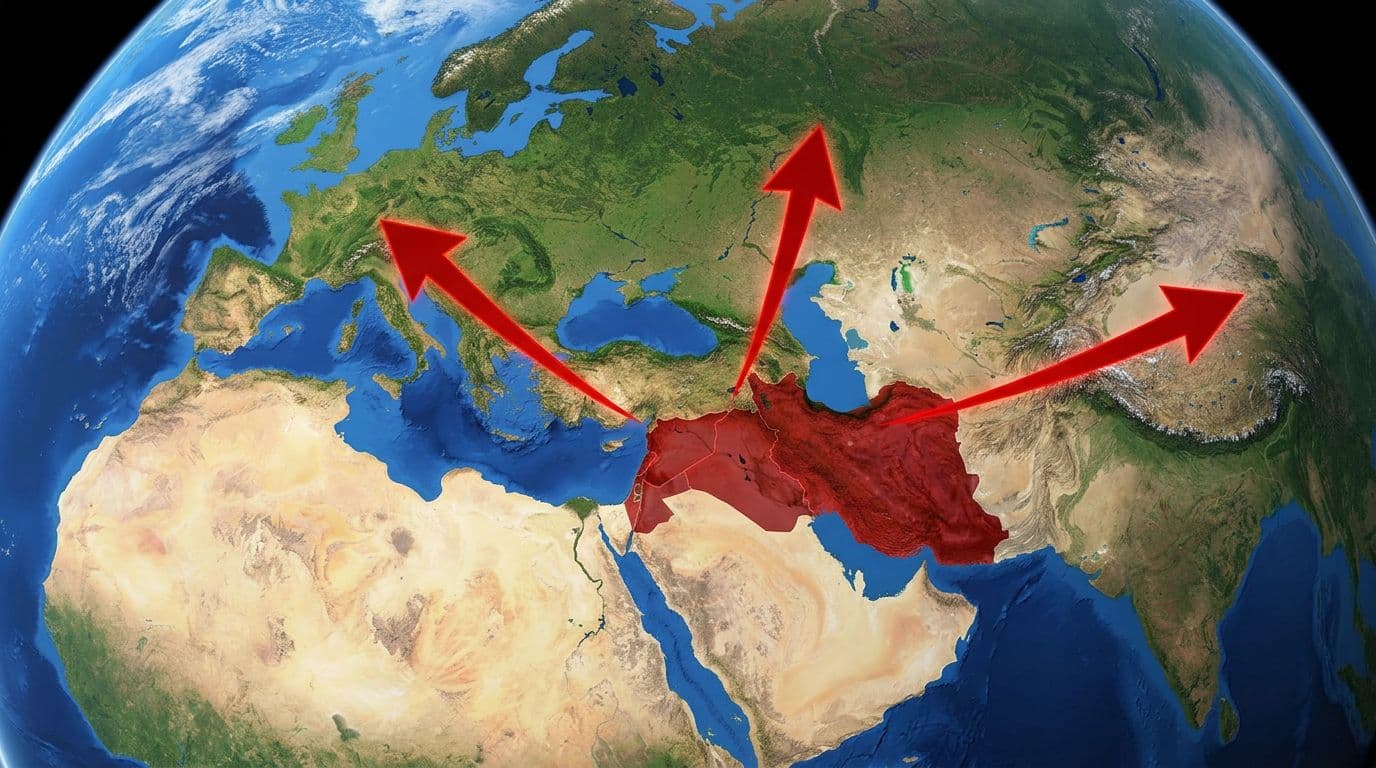 How a regional war can create pressure points that pull in more states (created with AI).
A regional war can be huge, brutal, and economically damaging without becoming World War 3. A true world war usually requires major powers fighting each other directly, with alliances and military commitments turning one front into several.
Think of escalation like a risk ladder. The current war sits on a high rung already, but WW3 sits higher. Getting there would likely require new steps: new actors, new targets, and fewer off-ramps.
The biggest escalation triggers experts watch (major powers, chokepoints, and misreads)
A few developments tend to raise the odds of a wider, multi-power conflict:
- Direct clashes involving Russia or China: If either enters combat with US or Israeli forces, the conflict changes category fast.
- Mass casualties of foreign troops: A strike that kills large numbers of Americans, Israelis, or allied forces can force leaders into bigger retaliation.
- Sustained disruption of the Strait of Hormuz: Even partial closure can trigger global economic pain and military escort operations.
- Attacks on commercial shipping outside the immediate war zone: If the threat spreads into wider sea lanes, more navies get involved.
- Expansion into additional countries: If strikes routinely hit more states, regional defense pacts and domestic politics can pull them in.
- Nuclear signaling or nuclear facility crises: Even without a detonation, elevated nuclear alert messaging can shorten decision time and raise panic.
A scary headline matters less than a pattern over several days. Escalation looks like repeated, widening actions, not one loud statement.
What a "wider war" could look like without becoming a world war
There's also a middle outcome, and it's still dangerous. The war could expand mostly within the region through proxy attacks, repeated strikes on bases, and tit-for-tat hits on infrastructure. Sea incidents could spike too, such as boarding attempts, drone strikes near ports, or clashes around escorts.
Economic pressure may become a primary weapon. Sanctions can tighten, cyberattacks can disrupt services, and insurance markets can choke trade even without a formal blockade. Political destabilization is another path, as governments face protests, militia pressure, and succession crises.
Still, diplomacy doesn't vanish just because bombs fall. Backchannels, third-party mediation, and limited ceasefires can happen even during intense fighting, especially when leaders fear losing control of the next rung on the ladder.
What to watch next, and how to follow updates without falling for misinformation
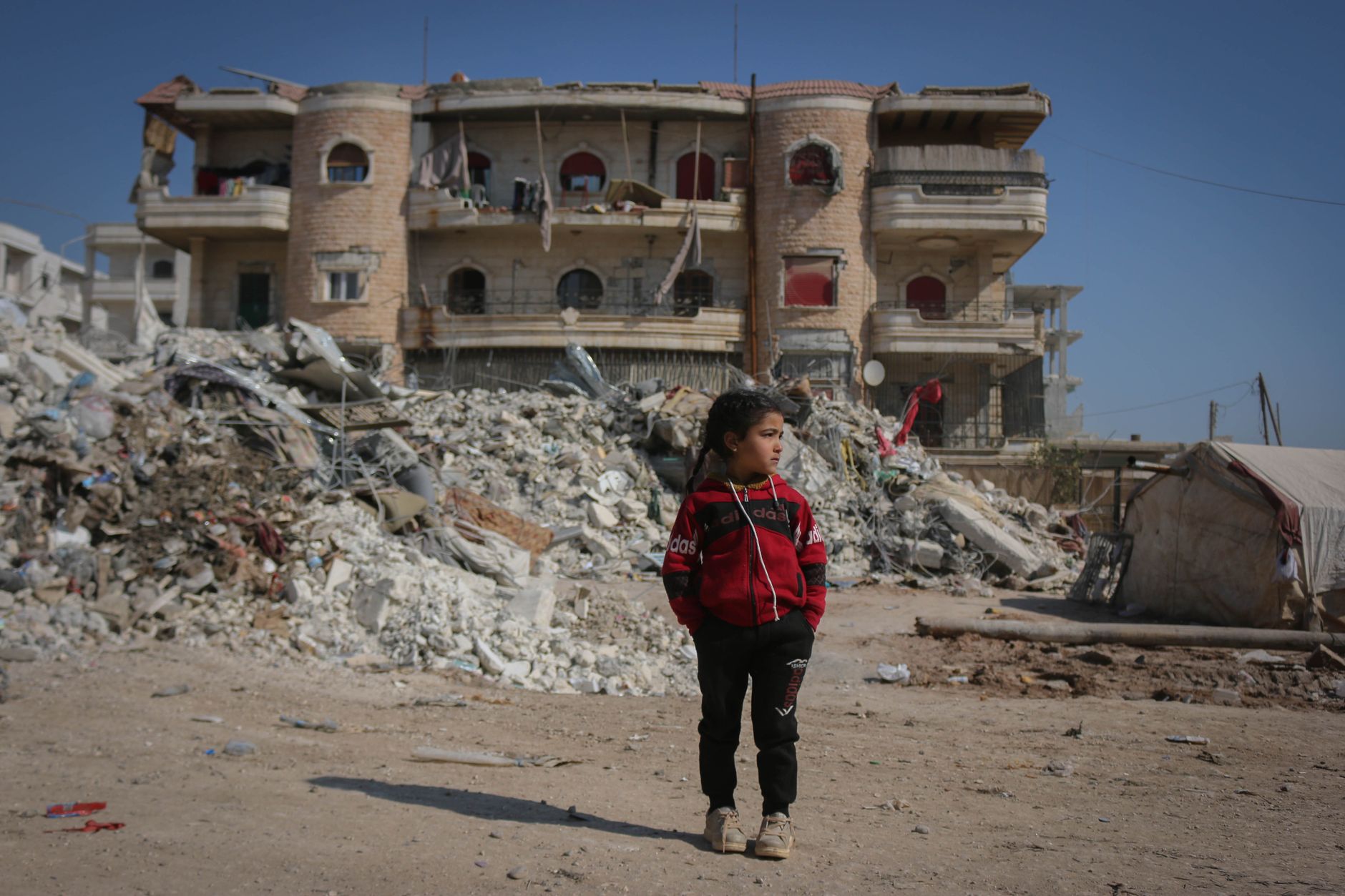 War spreads stress far beyond front lines, especially for civilians.
Photo by Ahmed akacha
War spreads stress far beyond front lines, especially for civilians.
Photo by Ahmed akacha
The news cycle moves faster than verification. So it helps to watch for signals, not single posts.
Signals things are getting worse, and signals talks might restart
Escalation often looks like this:
- More countries report impacts or interceptions, not just warnings
- Shipping disruptions, port shutdowns, or repeated incidents near chokepoints
- Mass mobilization and expanded evacuation orders
- Public threats to strike broader target sets, especially infrastructure
De-escalation often looks like this:
- Temporary pauses tied to concrete actions (aid delivery, evacuations)
- Humanitarian corridors that both sides respect for more than a day
- Third-party mediation with named envoys and scheduled meetings
- Prisoner exchanges or recovery of remains with verified handoffs
- Clear limits on targets that hold over time
Single headlines can mislead. Patterns over several days tell you more.
A quick checklist for spotting bad info in war news
- Confirm with multiple reputable outlets, not one viral account.
- Check date and location on videos, recycled footage spreads fast.
- Separate facts from analysis, many posts blend both.
- Treat anonymous claims carefully, especially casualty totals.
- Wait for follow-ups, early battle damage claims are often wrong on all sides.
Conclusion
This war is real, it's expanding, and it's already reshaping daily life through fear, fuel prices, and regional instability. Still, World War 3 isn't automatic. The biggest hinge points are whether additional major powers enter direct combat, and whether chokepoints like the Strait of Hormuz stay open and relatively stable.
Stay informed, slow down before sharing breaking clips, and look for real de-escalation steps, not just tough talk. What questions do you want broken down next, sanctions, oil prices, draft fears, or travel safety?