Showing posts with label travel. Show all posts

Friday, March 13, 2026

10 Must-Visit Places in Europe for 2026

Best European Travel Destinations 2026 - Complete Guide

Best European Travel Destinations 2026 - Complete Guide

Ever thought about the old streets and sunny coasts of Europe? We're starting a new chapter in travel. Finding the best european travel destinations 2026 means looking at new trends and updates.

Our team dug into current trends to make your European trip easy. This year is special for seeing famous places without the usual crowds. This ultimate european travel guide shows you top spots and hidden gems for deep connections.

Best European Travel Destinations 2026 – Complete Guide

Looking for quiet beaches or busy cities? Our tips make your trip smooth. We give you the tools to make your dream vacation real. Let's discover the wonders across the Atlantic together.

Key Takeaways

  • Early planning is key for top spots and places to stay.
  • New ways to travel make getting to far places easy.
  • 2026's cultural festivals are once-in-a-lifetime chances to dive in.
  • Choosing green travel options makes your trip better for locals and the planet.
  • Exploring smaller cities saves money and offers a unique experience.
  • Visiting in the shoulder season means more comfort and ease.

Why We Believe 2026 Is the Ideal Year to Visit Europe

2026 is a great year to see Europe. The continent is getting back to normal after the pandemic. Travelers will find a more lively and welcoming place.

Post-Pandemic Recovery and Enhanced Travel Infrastructure

Europe's travel scene is bouncing back. Many places have better airports and public transport. For example, Paris and Rome have made arriving easier for visitors.

Key improvements include:

  • Expanded airport capacities
  • Enhanced rail connectivity between cities
  • Better signage and information services for tourists

These changes make traveling smoother and more fun.

Major Cultural Events and Celebrations Happening in 2026

2026 is packed with cultural events in Europe. There's music, history, and more. For instance, the Salzburg Festival in Austria will mark its 100th year.

Some highlights include:

  1. The Venice Biennale, showing off new art
  2. The Spanish city's year-long cultural celebration
  3. Folk festivals in Eastern Europe

These events add to the travel joy and let you see European cultures up close.

Sustainable Tourism Initiatives Making Travel Better

Europe is leading in green travel. Many places are now eco-friendly. This helps the planet and makes travel more real and less crowded.

A picturesque scene showcasing sustainable European travel in 2026, with a foreground featuring a diverse group of travelers in professional casual attire exploring a vibrant local market filled with fresh produce and artisanal goods. In the middle, eco-friendly bicycles and electric scooters are parked alongside charming, cobblestone streets, where quaint cafes with outdoor seating invite visitors. In the background, iconic European architecture such as historic buildings and lush, green parks are bathed in warm, golden hour sunlight, creating an inviting and serene atmosphere. The image conveys a sense of adventure, curiosity, and sustainability. Shot with a wide-angle lens to capture the depth of the scene, emphasizing the beauty of responsible travel, perfect for Jumanjisa travel tips.

Some notable initiatives include:

  • Green accommodations and tour operators
  • Carbon offset programs for travelers
  • Conservation efforts in natural and historical sites

Supporting these efforts helps keep Europe beautiful for future visitors.

Currency Exchange Advantages for American Travelers

In 2026, the dollar might go further in Europe. This makes traveling there cheaper. It's a perfect time to plan a trip.

Tips for American travelers:

  • Watch exchange rates for the best deals
  • Use credit cards with no foreign fees
  • Plan your budget to enjoy the savings

By keeping these tips in mind, you can have a budget-friendly trip to Europe.

How to Choose the Right European Destinations for Your Trip

Planning our European trip is exciting. We must pick the right places to visit. Europe has many cultures, landscapes, and histories for all interests.

We need to think carefully about our choices. We should know what we want, how much we can spend, and when we're going.

Step 1: Define Your Travel Goals and Interests

First, we need to decide what we want from our trip. Europe has something for everyone.

History and Culture Enthuasiasts

Europe is great for history buffs. Rome, Paris, and Athens are full of ancient stories. Vienna and Prague have rich cultures. We can see world-class museums and historic landmarks.

Food and Wine Lovers

Foodies will love Italy, France, and Spain. We can try culinary delights like pizza and tapas. And taste top wines in Bordeaux or Tuscany.

Adventure and Nature Seekers

Outdoor lovers will find plenty in Europe. The Swiss Alps are perfect for skiing and hiking. Norway's fjords and Greece's beaches are stunning.

Beach and Relaxation Travelers

For relaxation, Europe's beaches are ideal. The Mediterranean coast in Greece and Croatia is perfect for sun and sea.

A captivating montage of iconic European travel destinations, showcasing a blend of famous landmarks like the Eiffel Tower, the Colosseum, and the canals of Venice in an inviting composition. In the foreground, a diverse group of travelers in professional casual attire eagerly point and discuss while holding travel guides, illustrating the excitement of planning a European adventure. The middle ground features lush greenery and vibrant cityscapes, with charming cafés and historical architecture, bathed in warm, golden afternoon light. The background includes serene mountains and a clear, blue sky, creating a sense of endless possibilities. The overall mood is vibrant and inspiring, designed to evoke wanderlust. Include subtle branding elements reflecting "Jumanjisa travel tips" to enhance the travel theme without overpowering the image.

Step 2: Assess Your Budget and Time Constraints

After deciding what we like, we must think about money and time. Europe's costs vary. Our budget will decide where we can go and for how long.

We should also think about travel times. This helps us plan our trip well.

Step 3: Consider Climate and Seasonal Factors

Europe's weather changes a lot. Knowing the seasons helps us choose the best time to visit.

For example, southern Europe is warm in summer. Northern Europe is better in spring and summer. We should avoid busy times if we don't like crowds.

Step 4: Match Destinations to Your Travel Priorities

Lastly, we match our priorities with the best places. By considering our interests, budget, time, and weather, we create a perfect European travel itinerary.

This careful planning makes our trip unforgettable. It's tailored to our unique preferences, using our time and resources well.

Portugal: How to Experience Lisbon and Porto Like a Local

Portugal is a top pick for 2026. It has history, culture, and beauty. It's perfect for travelers wanting to see Europe's heart.

Why Portugal Ranks Among Our Top 2026 Picks

Portugal mixes old and new. Lisbon's historic areas and Porto's wine culture are great for all. Its climate, coastlines, and culture make it ideal for a trip.

Key Attractions: Historic sites, cultural festivals, beautiful beaches, and vibrant nightlife.

Lisbon's Essential Neighborhoods and What to Do There

Lisbon, the capital, has many areas to explore. Each has its own charm.

Alfama: Historic Charm and Fado Music

Alfama is Lisbon's oldest area. It has narrow streets, historic trams, and Fado music. You can try traditional food and listen to Fado.

Belém: Monuments and Pastéis de Nata

Belém is known for its monuments and Pastéis de Nata. It's where the famous dessert was born.

Bairro Alto: Nightlife and Street Art

Bairro Alto is Lisbon's nightlife hub. It has bars, clubs, and street art.

A vibrant Lisbon neighborhood scene, showcasing colorful tiled buildings and narrow cobblestone streets. In the foreground, a charming café with outdoor seating, where locals enjoy espresso and pastel de nata. A couple in modest casual clothing is laughing and chatting at a table. The middle ground features a picturesque archway leading to a bustling market, with stalls offering fresh produce and artisanal goods. In the background, the iconic yellow tram climbs a hill lined with lush greenery, under a clear blue sky. Soft, warm afternoon sunlight filters through, casting gentle shadows and creating an inviting atmosphere. Highlight the essence of local life, capturing the spirit of Lisbon’s rich culture. Include the brand name “Jumanjisa travel tips” subtly integrated into the scene.

Porto's Wine Culture and Riverside Beauty

Porto is famous for its wine and Ribeira. You can visit wine cellars and enjoy the Douro River.

Port Wine is a big part of Porto. Many cellars offer tours and tastings.

How to Plan Your Portuguese Itinerary

Planning your trip to Portugal is key. Think about how long you'll stay, your budget, and the best time to go.

Recommended Trip Duration: 5-7 Days

A 5-7 day trip lets you see Lisbon and Porto well.

Budget Breakdown: $100-150 Per Day

Portugal is affordable. A daily budget of $100-150 covers everything.

Category Cost per Day
Accommodation $40-60
Food $20-30
Transportation $10-20
Activities $30-40
Total $100-150

Best Months to Visit: April-June, September-October

The best times to visit are spring (April-June) and autumn (September-October). The weather is nice and there are fewer tourists.

Spain: Navigating Barcelona and Madrid's Cultural Treasures

Spain is full of cultural experiences. It's a key stop on any European tour in 2026. You'll see why Barcelona and Madrid are top spots for travelers.

What Makes Spain Unmissable in 2026

Spain has a rich culture and a lively modern scene. It's filled with European tourist attractions. You can see Dalí's surreal art and Gaudí's amazing buildings.

  • World-class museums and art galleries
  • Historic landmarks and cultural festivals
  • Gastronomic delights and local cuisine

Barcelona: Gaudí's Masterpieces and Beach Culture

Barcelona is special, mixing old and new. See the Sagrada Familia, Park Güell, and more by Gaudí.

How to Skip the Lines at Sagrada Familia

Buy a skip-the-line ticket or join a guided tour. It saves time and gives you cool facts about this famous spot.

Gothic Quarter Walking Tour Strategy

Take a guided walk in the Gothic Quarter. It's a great way to find hidden spots and learn about the area's history.

Where to Experience Authentic Tapas

For real tapas, go to El Raval or Barceloneta. Try patatas bravas and tortilla española.

A vibrant arrangement of traditional Barcelona tapas spread across a rustic wooden table, featuring colorful plates filled with small portions of patatas bravas, pan con tomate, olives, and seafood delicacies. In the foreground, a glass of rich red wine and a small ceramic dish with vibrant dipping sauce adds a touch of elegance. In the middle, a charcuterie board with cured meats and cheeses complements the selection. The background showcases soft natural light filtering through a nearby café, while traditional Spanish decorations and potted plants evoke warmth and hospitality. The scene captures the lively atmosphere of a Barcelona dining experience, perfect for anyone exploring Spain's cultural treasures. Ideal for "Jumanjisa travel tips."

Madrid: Royal Palaces and World-Class Museums

Madrid is a cultural center with royal palaces, museums, and fun nightlife. See the Royal Palace of Madrid and check out the museums.

The Golden Triangle of Art: Prado, Reina Sofía, Thyssen

The Golden Triangle of Art is a must for art fans. The Prado, Reina Sofía, and Thyssen-Bornemisza Museums have amazing art.

  1. Start at the Prado Museum to see works by Goya and Velázquez
  2. Visit the Reina Sofía to explore modern and contemporary art, including Picasso's Guernica
  3. End your tour at the Thyssen-Bornemisza, which completes the historical journey of Spanish art

Day Trip to Toledo: Step-by-Step Guide

Toledo is near Madrid, known for its medieval look. Take a guided day trip to see its streets, landmarks, and culture.

Transportation Between Barcelona and Madrid

Getting from Barcelona to Madrid is easy with high-speed trains (AVE). They take under three hours. Book early for the best prices.

Practical Budget Estimates: $120-180 Per Day

Spain can be affordable. Here's a daily budget guide:

Category Low Estimate High Estimate
Accommodation $40 $80
Food $30 $50
Transportation $10 $20
Attractions $20 $30
Total $100 $180

Plan well to enjoy Spain without spending too much. For more Europe travel tips, check out local guides and blogs.

Italy: Crafting Your Perfect Journey Through Rome, Florence, and Venice

Italy is a place full of history and art. It's a top spot on any European travel bucket list. You'll find amazing landmarks, art, and food here.

A captivating view of three iconic Italian cities - Rome, Florence, and Venice - seamlessly blended into one stunning landscape. In the foreground, the majestic Colosseum in Rome, surrounded by vibrant street cafés filled with people in professional attire enjoying espresso. The middle ground features Florence's stunning Duomo with its intricate dome and terracotta rooftops beneath a clear blue sky. The background showcases the tranquil canals of Venice, with gondolas gliding past historic buildings reflecting in the water. Soft, golden sunlight casts a warm glow, enhancing the atmosphere of a perfect Italian day. Use a wide-angle lens to capture the grandeur and charm of these must-visit destinations. The mood is inviting and harmonious, underlined by the essence of exploration. Include the brand "Jumanjisa travel tips" subtly, ensuring it blends with the visual harmony of the illustration.

Why Italy Remains an Essential European Destination

Italy mixes old traditions with new life. It has mountains and beaches. The cities of Rome, Florence, and Venice are famous for their culture and history.

Rome: Ancient History Meets Modern Vitality

Rome is full of history and fun. You can see old ruins and enjoy the city's culture.

How to Visit the Colosseum and Vatican Efficiently

Get a Roma Pass for free entry to many places. Visit the Colosseum early or late to skip the crowds. Book a tour for the Vatican to see museums and St. Peter's Basilica without waiting.

Trastevere: Our Favorite Roman Neighborhood

Trastevere is a cozy area with narrow streets and lively bars. You can walk around, eat, and drink here. Try supplì and carbonara.

Where to Find the Best Gelato and Carbonara

Rome is great for gelato and carbonara. Gelateria della Palma and Fatamorgana have amazing flavors. La Rosetta and Trattoria al Moro serve delicious carbonara.

Florence: Renaissance Art and Tuscan Cuisine

Florence is where the Renaissance started. It's full of art and history. You can see museums, landmarks, and enjoy the food.

Navigating the Uffizi Gallery and Duomo

The Uffizi Gallery has amazing Renaissance art. Visit early or late to avoid crowds. The Duomo is a must-see. Take a tour to see the city from the top.

Day Trips to Tuscany Wine Country

Tuscany is known for its wine. A day trip to Chianti or other wine areas is great. You can taste wine and eat local food.

Venice: Canals, Islands, and Avoiding Tourist Traps

Venice is unique with its canals and bridges. You can explore neighborhoods, take a gondola ride, and visit Murano and Burano.

How to Travel Between Italian Cities by Train

Italy's rail network is good for traveling. Frecciarossa and Italo trains go to big cities. Regional trains go to smaller places. Book tickets early for the best prices.

Greece: Planning Your Athens and Island-Hopping Adventure

Greece is a top pick for 2026, with history, culture, and island fun. You can see ancient ruins in Athens or enjoy the Greek Islands' beauty. Plan well for a trip you'll always remember.

What to Expect from Greek Travel in 2026

In 2026, Greece welcomes visitors with open arms. You'll find history in Athens and beautiful beaches and nightlife on the islands. Travel will be easier with new infrastructure.

A breathtaking view of Greece showcasing iconic travel destinations. In the foreground, a picturesque white-washed house with blue domes and vibrant bougainvillea flowers, with a couple dressed in modest casual clothing, enjoying the view. In the middle ground, the ancient Acropolis of Athens majestically overlooks the city, bathed in warm golden sunset light. To the right, sailboats gently glide across the deep blue Aegean Sea, surrounded by rugged islands. In the background, the sun casts long shadows, creating a serene and dreamy atmosphere. The scene captures the essence of an Athens and island-hopping adventure. Photography style: wide-angle lens, soft focus, high resolution. Branding subtly integrated: "Jumanjisa travel tips" at the bottom corner.

Athens: Ancient Wonders and Vibrant Neighborhoods

Athens mixes old and new. Visit the Acropolis, explore the National Archaeological Museum, and enjoy Plaka and Monastiraki's vibe.

Acropolis Visiting Strategy

Get to the Acropolis early or late to avoid crowds. Buy a ticket for other sites too.

Plaka and Monastiraki: Shopping and Dining

Plaka and Monastiraki are great for shopping and eating. You'll find Greek food and souvenirs. Don't miss the street performers and live music.

Island Hopping: How to Choose Your Greek Islands

The Greek Islands offer many experiences. Think about what you want: relaxation, history, nightlife, or nature.

Santorini: Sunsets and Volcanic Beaches

Santorini is known for stunning sunsets and volcanic beaches. It's perfect for couples and those seeking romance.

Mykonos: Nightlife and Cycladic Architecture

Mykonos has great nightlife, beaches, and Cycladic buildings. It's great for those who want fun and relaxation.

Crete: History, Hiking, and Authentic Culture

Crete is big and has history, trails, and culture. It's ideal for those wanting to see more than usual.

Naxos and Paros: Budget-Friendly Alternatives

Naxos and Paros are laid-back and affordable. They have beautiful beaches and villages. They're perfect for a relaxed trip.

Ferry Booking and Island Transportation Guide

Ferry hopping is easy in Greece. Book tickets early to avoid missing out. Look at ferry options and routes to plan your trip.

Budget Planning: $90-140 Per Day

Greece fits many budgets. You can spend $90-140 a day, depending on where you stay and what you do. Look for deals to save money.

Best European Travel Destinations 2026 – Complete Guide to Central Europe

Central Europe in 2026 is a treasure trove of culture and beauty. Countries like Austria, Czech Republic, and Hungary offer history, culture, and modern fun. It's a mix that attracts many travelers.

A captivating collage showcasing popular travel destinations in Central Europe, featuring historical landmarks like the Brandenburg Gate in Berlin, the stunning skyline of Prague with its medieval architecture, the charming streets of Vienna adorned with baroque buildings, and the picturesque landscape of Lake Bled in Slovenia. In the foreground, include a couple dressed in modest casual clothing, joyfully exploring a local market filled with vibrant produce and crafts. The middle ground should highlight the cultural richness, with artists painting and musicians performing, while the background presents rolling hills under a warm, golden sunset, casting a magical glow over the scene. The atmosphere should evoke excitement and wanderlust, perfectly encapsulating the allure of Central Europe's finest sights. Jumanjisa travel tips suggests experiencing these captivating destinations in 2026.

Why Central Europe Offers Incredible Value in 2026

Central Europe is getting more popular for its history, culture, and affordable prices. In 2026, it will offer even more to visitors. Expect better infrastructure and more attractions.

Key benefits of visiting Central Europe in 2026:

  • Rich cultural heritage and historical landmarks
  • Affordable prices compared to Western Europe
  • Improved tourist infrastructure
  • Diverse experiences, from city breaks to natural escapes

Vienna, Austria: Imperial Elegance and Coffee Culture

Vienna is known for its grandeur, culture, and coffee. You can see palaces, opera houses, and museums. Or just enjoy a coffee at a traditional café.

Schönbrunn Palace and Hofburg Complex

The Schönbrunn Palace and Hofburg Complex are iconic. Schönbrunn is a UNESCO site with gardens and fountains. Hofburg has museums like the Sisi Museum and the Spanish Riding School.

How to Experience Viennese Classical Music

Vienna is famous for its music, thanks to Mozart and Strauss. You can see a performance at the Vienna State Opera or a Mozart concert at the Musikverein.

Traditional Coffee Houses We Recommend

Vienna's coffee houses are key to its culture. Try Café Central, Café Landtmann, or Café Sperl for coffee and pastries.

Prague, Czech Republic: Gothic Beauty and Craft Beer Scene

Prague is known for its Gothic architecture, history, and craft beer. You can see the historic center, Charles Bridge, or try local beers.

Old Town Square and Charles Bridge Strategy

The Old Town Square has landmarks like the Astronomical Clock and Church of Our Lady Before Týn. Charles Bridge offers views of the Vltava River and the city.

Castle District Exploration Guide

The Castle District includes Prague Castle, St. Vitus Cathedral, and the Old Royal Palace. Explore the castle, take a tour, or enjoy the views.

Beer Hall Etiquette and Best Breweries

Prague is famous for its beer. Try places like Pivovarský Klub or U Medvídků for local beers. Learn about beer hall etiquette for a better experience.

Budapest, Hungary: Thermal Baths and Architectural Gems

Budapest is known for its thermal baths, architecture, and history. Relax in thermal baths, explore historic districts, or see views from Gellért Hill.

Which Thermal Baths to Visit

Budapest has thermal baths like Széchenyi Thermal Bath and Rudas Baths. Each offers a unique experience and relaxing atmosphere.

Buda Castle and Fisherman's Bastion

Buda Castle and Fisherman's Bastion are iconic landmarks. Buda Castle has museums, while Fisherman's Bastion offers Danube River views.

Ruin Bar Scene in the Jewish Quarter

The Jewish Quarter has a unique ruin bar scene. Bars like Szimpla Kert or Fogasház offer drinks, food, and entertainment in a post-industrial setting.

Multi-City Route Planning for Central Europe

Central Europe is easy to explore with multiple cities. Plan a trip to Vienna, Prague, and Budapest using trains, buses, and budget airlines.

Average Daily Costs: $80-130 Per Day

Traveling in Central Europe costs $80-130 per day. This covers accommodation, food, transportation, and attractions.

Exploring Northern Europe: Scandinavia and Iceland

Northern Europe is full of beauty and culture. It includes Denmark, Sweden, and Iceland. These places offer stunning views and rich history.

What Makes Northern Europe Worth the Higher Price Tag

Northern Europe is pricey but worth it. It's green, has a high standard of living, and unique culture. You'll find amazing landscapes and vibrant cities.

Unique Cultural Experiences: There are many cultural events and festivals here. You can enjoy music, art, and more.

Copenhagen, Denmark: Cycling, Design, and New Nordic Cuisine

Copenhagen is a mix of old and new. It's great for biking, design, and food. It's a top place to visit.

How to Experience Copenhagen by Bike

Cycling is big in Copenhagen. There are many bike lanes. You can see sights like the Little Mermaid and Amalienborg Palace easily.

Nyhavn, Tivoli Gardens, and Christiania

Nyhavn is colorful and lively. Tivoli Gardens is fun for all ages. Christiania shows a different way of living.

A picturesque view of Nyhavn, Copenhagen, showcasing vibrant, colorful 17th-century townhouses lining the canal. In the foreground, wooden ships with masts and sails gently bob in the water, reflecting the lively hues of the buildings. The middle ground features smiling tourists in modest casual clothing enjoying a sunny day, seated at outdoor cafes with bright umbrellas. The background is adorned with a clear blue sky scattered with soft white clouds, creating a serene atmosphere. The scene captures the charm of Scandinavian architecture and culture. The lighting is warm and inviting, evoking a sense of wanderlust, perfect for "Jumanjisa travel tips" highlighting travel destinations in 2026. Use a wide-angle lens to emphasize the bustling activity and picturesque waterfront.

Malmö is near Copenhagen and is charming. It has history and modern buildings. You can see the Malmö Castle and enjoy food.

Stockholm, Sweden: Archipelago Beauty and Scandinavian Style

Stockholm is on many islands. It's beautiful and has unique architecture. It's a great place to visit.

Gamla Stan and Vasa Museum

Gamla Stan is old and historic. The Vasa Museum has a preserved ship. It's great for history lovers.

Island Hopping in the Stockholm Archipelago

The Stockholm Archipelago has many islands. You can see hidden spots and beaches. It's perfect for exploring.

Iceland: Natural Wonders and Adventure Tourism

Iceland is full of nature and adventure. You can see hot springs, glaciers, and waterfalls. It's amazing.

Golden Circle Route Planning

The Golden Circle shows Iceland's beauty. It includes Þingvellir National Park, Geysir, and Gullfoss. It's a great day trip.

Blue Lagoon vs Sky Lagoon

Iceland has geothermal lagoons. The Blue Lagoon is famous. The Sky Lagoon is newer and offers views.

Northern Lights Viewing Tips

Iceland is great for seeing the Northern Lights. Go to places with little light pollution. Be ready for weather.

Budget Strategies for Expensive Nordic Countries

Traveling in Northern Europe can be pricey. But, you can save money. Visit in the shoulder season and choose affordable places.

Daily Cost Expectations: $150-250 Per Day

Traveling here can cost $150 to $250 a day. Plan and budget to save money.

How to Build Your European Travel Itinerary Step-by-Step

Making a great European travel plan is like creating a work of art. It needs careful planning, flexibility, and knowing what each place is like. We'll give you tips and advice to make your trip to Europe unforgettable.

Step 1: Determine Your Ideal Trip Length

First, figure out how long you can travel. How long you go affects what you can see and do.

One Week: Single Country or Two-City Focus

If you only have one week, pick one country or two cities. For example, see Paris and Amsterdam, or Rome and Florence in Italy.

Two Weeks: Three to Four Countries

With two weeks, you can visit three to four countries. You could go from Barcelona to Tuscany, seeing cities and countryside.

Three Weeks or More: Grand European Tour

For three weeks or more, see lots of countries and cultures. Visit Eastern Europe, the Swiss Alps, and France and Spain for food.

Step 2: Map Out a Logical Geographic Route

After deciding how long you'll travel, plan your route. This saves time and effort by avoiding backtracking.

Avoiding Backtracking and Wasted Travel Time

Plan your route to make sense geographically. Travel in loops or straight lines, not zigzags.

Open-Jaw Flight Benefits

Book an open-jaw flight to save time and money. It lets you start in one city and end in another.

A beautifully organized European travel itinerary spread out on a rustic wooden table. In the foreground, an open travel journal featuring detailed handwritten notes, colorful maps, and highlighted destinations like Paris, Rome, and Barcelona. The middle layer includes travel-related items such as a camera, a pair of sunglasses, and a European train schedule, all artistically arranged. The background showcases a soft-focus vintage-style map of Europe, with a warm light creating an inviting atmosphere. The scene evokes a sense of adventure and planning for a perfect trip. The overall mood is one of excitement and wanderlust. A subtle logo, "Jumanjisa travel tips," appears in the corner for branding.

Step 3: Allocate Time Wisely Between Destinations

Spending the right amount of time at each place is key for a good trip.

Major Cities: 3-4 Days Minimum

Big cities like London, Paris, and Rome need at least 3-4 days. This lets you see landmarks, museums, and secret spots.

Smaller Towns: 1-2 Days

Smaller towns and villages are best in 1-2 days. They show local life and offer a break from city life.

Built-in Rest Days and Buffer Time

Include rest days or extra time in your plan. This helps with delays or just enjoying the moment.

Step 4: Balance Iconic Sites with Local Experiences

A good plan mixes famous sights with local adventures.

Travel expert, Rick Steves, says, "The best travel is mixing famous spots with real local life."

"Travel is intensified living—maximum compression of the experience of living—at the same time as it is an extension of it." -
Rick Steves

Sample Itineraries We've Tested

Here are some itineraries we've tried and improved over time.

Classic Western Europe: 14 Days

This plan visits Paris, Amsterdam, Brussels, and London. It's a mix of culture, history, and food.

Mediterranean Dream: 10 Days

See the Mediterranean with Barcelona, Nice, Florence, and Rome. Enjoy beaches, towns, and culture.

Central European Explorer: 12 Days

Explore Central Europe with Berlin, Prague, Vienna, and Budapest. It's a deep dive into history, architecture, and culture.

Essential Logistics: Visas, Flights, and Transportation

Planning our European trip for 2026 is key. We need to know about visas, flights, and how to get around. Europe's travel system is complex.

Understanding ETIAS Requirements for Americans in 2026

The ETIAS is new for American travelers to Europe. It's not a visa but an online system for security in the Schengen Area.

What ETIAS Is and How to Apply

To get ETIAS, fill out an online form. You'll need personal and travel info. It's easy and quick.

Processing Times and Costs

ETIAS is fast, taking just minutes. It costs about $8 for those 18-70. Apply early to avoid delays.

How to Find and Book the Best Flights to Europe

Finding flights to Europe can be hard. But, with smart strategies, you can find great deals. Being flexible with dates and times helps.

When to Book for Lowest Prices

Book flights 2-3 months early for the best prices. Use tools to find the cheapest days to fly.

Best Gateway Cities for Your Itinerary

Picking the right city to start your trip is important. London, Paris, and Amsterdam are great for connections.

Using Flight Search Tools Effectively

Use tools like Google Flights or Skyscanner to compare prices. Set up alerts for price drops.

European Rail Travel: Passes vs Point-to-Point Tickets

Europe's rail is efficient and easy. Choose between passes and tickets based on your trip.

When Eurail Passes Make Sense

Eurail passes are good for many countries or trains. They save money and are flexible.

How to Book Individual Train Tickets

For short trips, tickets are cheaper. Book early for better prices.

High-Speed Rail Networks by Country

France, Germany, and Italy have fast trains. Knowing your country's rail helps plan your trip.

Budget Airlines and Intra-Europe Flights

Budget airlines make Europe travel cheap. But, watch for hidden fees.

Ryanair, EasyJet, and Wizz Air Tips

Check all costs with budget airlines. Booking directly can be more flexible.

Hidden Fees to Watch For

Look out for extra charges. Include these in your cost comparison.

Accommodation Strategies: Where We Recommend Staying

Choosing where to stay is important. Think about location, amenities, and reviews.

Hotels vs Vacation Rentals vs Hostels

Each type has its benefits. Hotels offer services, rentals give local feel, and hostels are budget-friendly.

Booking Platforms We Trust

Use sites like Booking.com, Airbnb, and Hostelworld. They offer many options and reviews.

Neighborhood Selection Guide

Research areas for your stay. Look for good transport, amenities, and safety.

"The world is a book, and those who do not travel read only one page." - Saint Augustine

Budgeting Your European Trip: Costs and Money-Saving Tips

Getting ready for your European trip? Knowing your budget is key. Europe has many places, each with its own price tag. It's important to manage your money well for a fun trip.

Breaking Down Daily Costs by Region

Travel costs in Europe vary a lot. Here's a quick guide on what you might spend each day in different areas:

Southern Europe: $100-150 Per Day

Places like Spain, Italy, and Greece are full of culture. You'll likely spend $100 to $150 daily. This includes staying, eating, and seeing sights in cities like Rome and Barcelona.

Western Europe: $150-200 Per Day

Western Europe, like France and the UK, is pricier. Budget $150 to $200 daily. Cities like Paris and London can be expensive, affecting your budget.

Northern Europe: $200-300 Per Day

Norway, Sweden, and Denmark are the most costly. Plan to spend $200 to $300 daily. Their high living standards add to the costs.

Eastern and Central Europe: $80-130 Per Day

Eastern and Central Europe offer great value. Countries like Poland and Hungary are cheaper, with daily costs from $80 to $130. They offer rich cultures at lower prices.

Where to Splurge for Maximum Value

While saving is key, some splurges can make your trip better.

Worth the Money: Skip-the-Line Tours

Invest in skip-the-line tours for a better experience. They save time and let you enjoy attractions more.

Worth the Money: Local Food Experiences

Trying local food is a highlight. Spend on authentic local food experiences like cooking classes. It's worth it for the memories and tastes.

Worth the Money: Central Accommodations

Staying in centrally located accommodations saves money. It also makes getting to attractions easier. It's a good investment for convenience.

Smart Ways to Save Without Sacrificing Experience

There are smart ways to save money without losing out on fun.

  • Free Walking Tours: Many cities offer free walking tours. They're a great way to see the city and learn about its history.
  • Lunch Menus vs Dinner Prices: Choose lunch menus for cheaper food. Many restaurants offer the same quality at lunch for less.
  • Museum Free Days and City Passes: Look for free museum days or city passes. They can cut down your attraction costs a lot.

Managing Money: Credit Cards and Currency

Traveling in Europe means knowing about credit cards, ATMs, and avoiding fees.

Best Credit Cards for European Travel

Use a credit card with no foreign transaction fees. Look for cards with good exchange rates and low fees.

ATM Strategies and Exchange Rate Tips

Getting local currency from ATMs is often best. Know your bank's fees and withdraw big amounts less often to save money.

Avoiding Dynamic Currency Conversion

Always choose to pay in the local currency. Avoiding dynamic currency conversion helps you avoid bad exchange rates.

Insider Tips for a Seamless European Travel Experience

To have a great time in Europe in 2026, we've got some tips for you. As you explore the top travel destinations in Europe, knowing the local culture and avoiding scams is key. Also, pack smart, stay connected, and manage your health and language barriers.

Cultural Etiquette and Customs by Region

Europe is full of different cultures. Each has its own customs and etiquette. Knowing these can make your trip better.

Dining Customs and Tipping Guidelines

Dining customs change a lot in Europe. For example, in France, keep your hands visible at the table. In Italy, don't order a cappuccino after 11 am. Tipping also varies; in the UK, tip 10-15%, but in Portugal, it's less common.

Country Tipping Custom Dining Etiquette
France 5-10% in restaurants Keep hands visible
Italy No tipping expected Avoid cappuccino after 11 am
Spain 5-10% in bars and restaurants Lunch is between 2-4 pm

Greeting Customs and Personal Space

Greetings can differ a lot. In some places, a kiss on each cheek is common. In others, a handshake is better. Knowing these can help you feel more at ease.

"When in Rome, do as the Romans do." This saying is true for Europe. Embracing local customs shows respect and makes your trip better.

Sunday Closures and Afternoon Siestas

Many places in Southern Europe close on Sundays and have afternoon siestas. Planning your day around these can save you from being disappointed.

Safety Strategies and Common Scams to Avoid

Europe is generally safe, but knowing about scams can protect you. Always be careful and aware of your surroundings.

Pickpocketing Hotspots and Prevention

Pickpocketing is common in tourist areas. Keep your things safe and watch your surroundings to avoid it.

  • Use a money belt or a secure bag
  • Avoid distractions in crowded areas
  • Keep valuables out of sight

Taxi and Restaurant Scams

Always use licensed taxis and watch the route. In restaurants, be careful of overpriced menus and make sure you get the right change.

Packing Smart for European Travel

Packing right can make your trip better. Think about the weather, local customs, and what you'll do.

Carry-On Only Strategy

Traveling with just a carry-on saves time and stress. Pack essentials like adapters, converters, and versatile clothes.

Europe has different power sockets and voltages. Bring the right adapters and converters to keep your devices charged.

Staying Connected: Phone and Internet Solutions

Staying in touch during your trip is important. Know your phone and internet options to keep in touch with family and friends.

International Phone Plans vs Local SIM Cards

Think about your data and call needs. International plans are handy, but local SIM cards might be cheaper for calls and data in Europe.

eSIM Options for 2026

eSIM technology is getting popular. It lets you switch phone plans easily without a physical SIM card.

Health and Travel Insurance Considerations

Having good health and travel insurance is key. Check what your policies cover and think about getting more travel insurance.

Language Barriers: Translation Apps and Basic Phrases

Even though many Europeans speak English, learning basic phrases helps. Translation apps can also be very helpful.

By following these European travel tips, you'll be ready for a great trip in 2026.

Conclusion

Now you know how to explore Europe in 2026. You can visit Italy's old cities and Spain's culture. Or see Northern Europe's amazing views.

We showed you the best places and how to plan your trip. You'll learn about local culture and great food. 2026 is a great year to travel.

With this guide, you can plan your trip easily. Choose places that fit your interests and budget. Start planning your trip today for amazing memories.

FAQ

What are the entry requirements for American citizens visiting Europe in 2026?

Starting in 2026, all U.S. travelers must get the ETIAS before they go. This is needed to enter the Schengen Area. Apply online at the European Union's site at least 96 hours before your flight.

Which locations rank as the best european travel destinations 2026 for first-time visitors?

Our top picks for 2026 are Rome, Paris, and London. Also, consider Lisbon and Barcelona for their great culture and new buildings. These cities mix old history with new fun.

How can we find the most affordable european vacation spots without sacrificing quality?

Look at Central and Southern Europe for deals. Prague, Budapest, and Porto are cheaper than Northern cities. In Greece or Portugal, you can eat well for $100-$150 a day.

What are our essential europe travel tips for navigating between countries?

Use the Eurail Pass for fast travel. Try the Frecciarossa in Italy or the AVE in Spain. For long trips, book cheap flights early but watch for extra fees. Use Google Flights to find the best prices.

Which top travel destinations in europe are best for nature and adventure seekers in 2026?

Iceland and Norway are great for outdoor lovers. Explore the Golden Circle or the Blue Lagoon. These places are pricey but offer amazing nature.

How do we stay connected while traveling across different European borders?

Use eSIMs for easy access to maps and apps. Services like Airalo or Holafly let you download plans to your phone. No need to change SIM cards at borders.

What is the ideal duration for a European trip?

A 14-day trip is perfect for most. It lets you see three big cities and explore local areas. You won't feel rushed.

Are there specific cultural etiquette rules we should follow at popular european tourist attractions?

Yes, respect local customs. Dress modestly at places like the Vatican or Parthenon. In Spain and Italy, dinner is late and tipping is small.

Wednesday, March 11, 2026

Top National Parks in East Africa to Visit for the June Holiday 2026

 June in East Africa feels like the outdoors finally turned the lights on. The long rains have eased, tracks start to dry, and animals gather closer to rivers and waterholes. Mornings can be chilly, afternoons stay pleasantly warm, and you often get fewer crowds than July.

Before you pay deposits, confirm entry fees

This guide keeps it simple, which parks to pick for big wildlife, Great Migration moments, and gorilla trekking during the June holiday 2026. If you're sharing plans with friends or a travel group,  so everyone can find the details quickly later.

Prices and rules change, sometimes with little notice. Before you pay deposits, confirm entry fees and permits on the official park authority websites (TANAPA, NCAA, KWS, UWA, and Rwanda Development Board). FOR BOOKING EMAIL US jumanjisaexplore@gmail.com

Why June is a smart month for East Africa safaris and treks

June sits at a sweet spot. It's the start of the dry season in many safari areas, so you get better roads and clearer views. As grasses thin out, animals are easier to spot, especially near water. That matters if it's your first safari and you don't want to spend hours searching.

Temperatures also help. Early drives can feel cold, then the day warms up fast. Because of that, you can stay comfortable without the heavy rain gear you'd need in April or May. Families usually find June easier, too. Kids handle game drives better when it's not humid, and the risk of weather delays drops.

Another plus is timing. July and August bring peak season pricing and peak season crowds. June can still book out, but it often gives you a calmer experience with more flexible lodge choices.

Wildlife viewing in June, what gets better and what to expect

June packing and planning basics that save stress


Game drives tend to run smoother because dirt roads are less muddy. Visibility improves as brush dries back, so you can scan farther across plains and along river edges. Predators often show more daytime activity than in hotter months, since they don't overheat as quickly.

Mosquitoes can also be fewer than in rainy periods, although you still need repellent. Keep expectations realistic, though. Nature doesn't follow a schedule.

Wildlife sightings are never guaranteed. The win in June is better odds, not certainty.

Responsible viewing matters even more when animals cluster near water. Stay on tracks, keep distance, and never feed wildlife.

June packing and planning basics that save stress

  • Light layers: Breathable shirts for midday heat.
  • Warm fleece: Early drives can feel cold on open vehicles.
  • Rain jacket: Early June can still bring short showers.
  • Binoculars: You'll spot more, and you'll rely less on the guide's eyes.
  • Sunscreen and lip balm: Dry air and high sun add up fast.
  • Insect repellent: Even in drier months, don't skip it.
  • Sturdy closed shoes: Dusty tracks and uneven lodge paths.
  • Small daypack: Water, snacks, camera, and a spare layer.

Book key lodges early if you want prime locations. Also use reputable guides, and re-check entry fees and permit rules close to departure.

The top East Africa parks to visit for the June 2026 holiday (and what makes each one special)

Each park below shines in June for a different reason. Pick based on your must-see moment, then build the rest around it.

Serengeti National Park, Tanzania: Great Migration buildup and Grumeti River drama

Best for: Big herds and classic safari scale.
In June, many migration herds push north toward the Western Corridor. That's when you might catch tense scenes near the Grumeti River, including crocodiles waiting in the bends. Meanwhile, Central Serengeti stays strong for lions, cheetahs, and leopards.

Top animals: Wildebeest, zebra, lion, cheetah, leopard, hyena.
Best June experience: Following herds in the west, then switching to central predator country.
How many days to plan: 3 to 4 days if you can. It reduces rushing and long drives.
Budget note: Entry often lands around $70 to $83 per adult per day for non-residents (sources vary), so confirm with TANAPA. A hot air balloon safari is a pricey splurge, but unforgettable.

Ngorongoro Crater, Tanzania: Big 5 chances in one epic day

Best for: A high-impact safari if your time is tight.
The crater packs wildlife into a dramatic natural bowl. In June, the air on the rim feels cool and clear, and visibility on the floor is often excellent. Lions are common, elephants appear year-round, and you may get lucky with black rhino.

Top animals: Lion, elephant, buffalo, hippo, hyena, sometimes black rhino.
Best June experience: An early descent for crisp light and active wildlife.
How many days to plan: 1 to 2 days, including rim time and the crater drive itself.
Budget note: Costs can jump because you pay conservation area entry plus crater-related vehicle fees. Roughly, expect about $70.80 per person for entry and an added around $295 per vehicle for the crater (confirm with NCAA).

Masai Mara National Reserve, Kenya: big cats, classic savanna, and fewer peak season crowds

Best June experience


Best for: Predator action and photogenic open plains.

June is excellent even before the biggest migration wave arrives. Resident herds support strong lion and cheetah sightings, and the wide landscapes make tracking easier. You'll also find softer crowd levels than late July, which helps at sightings.

Top animals: Lion, cheetah, leopard, elephant, buffalo, giraffe.
Best June experience: Long morning drives with clean horizons and golden light.
How many days to plan: 2 to 3 days for a relaxed pace.
Budget note: Fees vary by season and management. A practical planning range is $80 to $100 per non-resident adult per day, then confirm with official reserve channels before you book.

Amboseli National Park, Kenya: elephants and Mount Kilimanjaro views on clear June mornings

Best for: Elephants with a postcard backdrop.
Amboseli's elephant families are the headline. June mornings can bring clearer skies, which improves your odds of seeing Mount Kilimanjaro fully out. The park is also compact, so you can get great sightings without endless driving.

Top animals: Elephant, lion, hyena, zebra, wildebeest, plenty of birds.
Best June experience: Sunrise game drive, then elephants at the swamps as the day warms.
How many days to plan: 1 to 2 days, ideal as an add-on to a Kenya trip.
Budget note: Plan roughly around $60 per adult per day for entry, then confirm current rates and any vehicle charges.

Bwindi Impenetrable National Park, Uganda: gorilla trekking when trails are drier

Best for: A once-in-a-lifetime gorilla hour.
June is a strong trekking month because trails are often drier and less slippery than rainy periods. Trek day follows a clear rhythm: morning briefing, guided hike, then one hour near a gorilla family once you find them. The hike can still be steep, so pacing matters more than fitness myths.

Top animals: Mountain gorillas (plus forest monkeys and rich birdlife).
Best June experience: Cooler hiking weather and firmer footing in the forest.
How many days to plan: 2 to 3 days total, since travel time can be long and permits are fixed-date.
Budget note: Gorilla permits are limited and must be booked far ahead. Expect roughly about $700 to $800 per permit (often cited around $800, confirm with UWA), plus park entry and guide costs.

How to choose the right park for your June 2026 trip (quick match guide)

Start with your non-negotiable moment. A trip built around one clear goal feels calmer, and usually costs less. After that, add a second park that complements it, not competes with it.

Time matters as much as money. Tanzania's northern circuit combines well in one trip because distances are manageable. Kenya's highlights also pair nicely. Mixing countries is possible, but flights and border crossings can eat days if you're not careful.

Pick your trip style: migration, Big 5, gorillas, or a little of everything

If you want migration movement and huge horizons, go Serengeti first. Add Ngorongoro for a different feel and strong Big 5 chances in a single day. For Kenya classics, pair Masai Mara with Amboseli, which adds elephants and mountain views. If gorillas are the main reason you're going, build around Bwindi, then add a short savanna safari only if time allows.

Sample June 2026 itineraries that fit real vacation time

  • 7 days in Kenya: Fly in, 3 nights Masai Mara, then 2 nights Amboseli, travel day buffers.
  • 10 to 12 days Tanzania plus Uganda: 4 nights Serengeti, 2 nights Ngorongoro area, then Bwindi for 2 to 3 nights (plus flight connections).

Lock flights, key lodges, and permits early, especially for gorillas.

Conclusion

For the June holiday 2026, the strongest East Africa picks are Serengeti for migration buildup, Ngorongoro Crater for a high-impact Big 5 day, Masai Mara for cats and open plains, Amboseli for elephants and Kilimanjaro mornings, and Bwindi for gorilla trekking on drier trails. Choose your must-see experience first, then secure permits and the best-located lodges. Finally, keep it safe and respectful: listen to guides, follow park rules, and leave no trace.

Complete Travel Guide to Ethiopia for First-Time Visitors

Ethiopia can feel like several countries in one. You can drink coffee in a busy capital, then wake up among mountain cliffs, then end the week staring at churches carved from stone.

This complete travel guide to Ethiopia for first-time visitors keeps things simple. Ethiopia is big, many places sit at high altitude, and travel times often run longer than maps suggest. A smart first trip focuses on a few areas and builds in breathing room.

Below you'll get the basics (best time to go, visas, safety, health, money, and transport), plus an easy 7 to 10 day route built around Addis Ababa, Lalibela, the Simien Mountains, and an optional Danakil add-on.

Plan your trip basics, best time to visit, visa, safety, and health

When to visit Ethiopia, weather by region, and festival timing

For most first-time visitors, October to March is the easiest window. Roads are drier, skies are clearer, and trekking conditions improve in the northern highlands. In March 2026, you're still in the tail end of the usual dry season, so you'll often get good visibility and fewer weather delays.

June to September is the main rainy season in the highlands. Travel can still work, but muddy roads and flight changes become more likely. Meanwhile, the highlands (Addis, Lalibela, Gondar, Simien) can feel surprisingly cool at night even in dry months. Pack for warm days and cold evenings.

Lowland areas flip the script. Places like the Danakil Depression can be dangerously hot, and the heat isn't a "tough it out" problem, it's a planning problem.

If you want festivals, Timkat (January) and Meskel (late September) draw big crowds. Book flights and top hotels early around major holidays.

Entry rules, visas, and documents to have ready

Many travelers use an e-visa or get a visa on arrival at Addis Ababa Bole International Airport, depending on nationality (common for many US and EU travelers). Visas often come in 30 to 90 day options, and fees can change, so confirm the latest right before you book and again before you fly.

Have these ready so arrival feels smooth:

  • A passport with solid validity (aim for 6 months or more).
  • Printed hotel details and a rough address list.
  • Return or onward plans (even a placeholder booking helps).
  • A couple of spare passport photos (not always required, often useful).
  • Digital and paper copies of your passport and visa stored separately.

Airlines sometimes apply their own document checks. Reconfirm requirements close to departure.

Safety, common scams, and how to stay aware without stressing

Ethiopia's situation can shift by region. As of March 2026, treat planning as "check daily, don't assume." Look up current government travel advisories before you leave, then ask your hotel what routes feel normal that week.

In Addis Ababa, basic street smarts go a long way. Use registered taxis or reputable ride options when available, keep your phone secure in crowds, and avoid flashing cash. If someone pressures you to "help" at an ATM or exchange, step away and reset.

Some remote areas work best with a guide, and sometimes a scout is required. For example, the Simien Mountains typically involve park rules and an armed scout as part of the setup.

A good rule in Ethiopia is to plan your day, then confirm it again over breakfast with someone local.

Health prep, vaccines, malaria, altitude, and water safety

Book a travel clinic visit before you go. Many travelers are advised to consider Hep A, Hep B, and typhoid. Yellow fever rules depend on where you're arriving from, and rabies shots can make sense if you'll be rural or around animals.

Malaria risk is higher in lowlands and often lower in higher-elevation areas, so ask about prophylaxis based on your exact route. Addis Ababa sits at altitude, and that first day can feel like you're breathing through a straw. Take it easy, hydrate, and keep alcohol light at first.

For food and water, stick to bottled or filtered water, wash hands often, and choose busy restaurants where food turns over quickly.

Build your first itinerary, must-see places, and a simple 7 to 10 day route

Addis Ababa, the easiest landing spot for history, culture, and day trips

Plan 1 to 2 nights in Addis on arrival. It gives you time to recover, sort cash, grab a local SIM, and confirm domestic flights. That small pause can save hours later.

Start with the National Museum to see "Lucy," then add Holy Trinity Cathedral for history and architecture. For a city view and cooler air, head up toward Entoto. If you want an easy, organized visit that feels comfortable for families or first-time Africa travelers, Unity Park is a solid choice.

A coffee ceremony is also a must. It's not just a drink, it's a slow rhythm. After long travel days, that pause feels like resetting your brain.

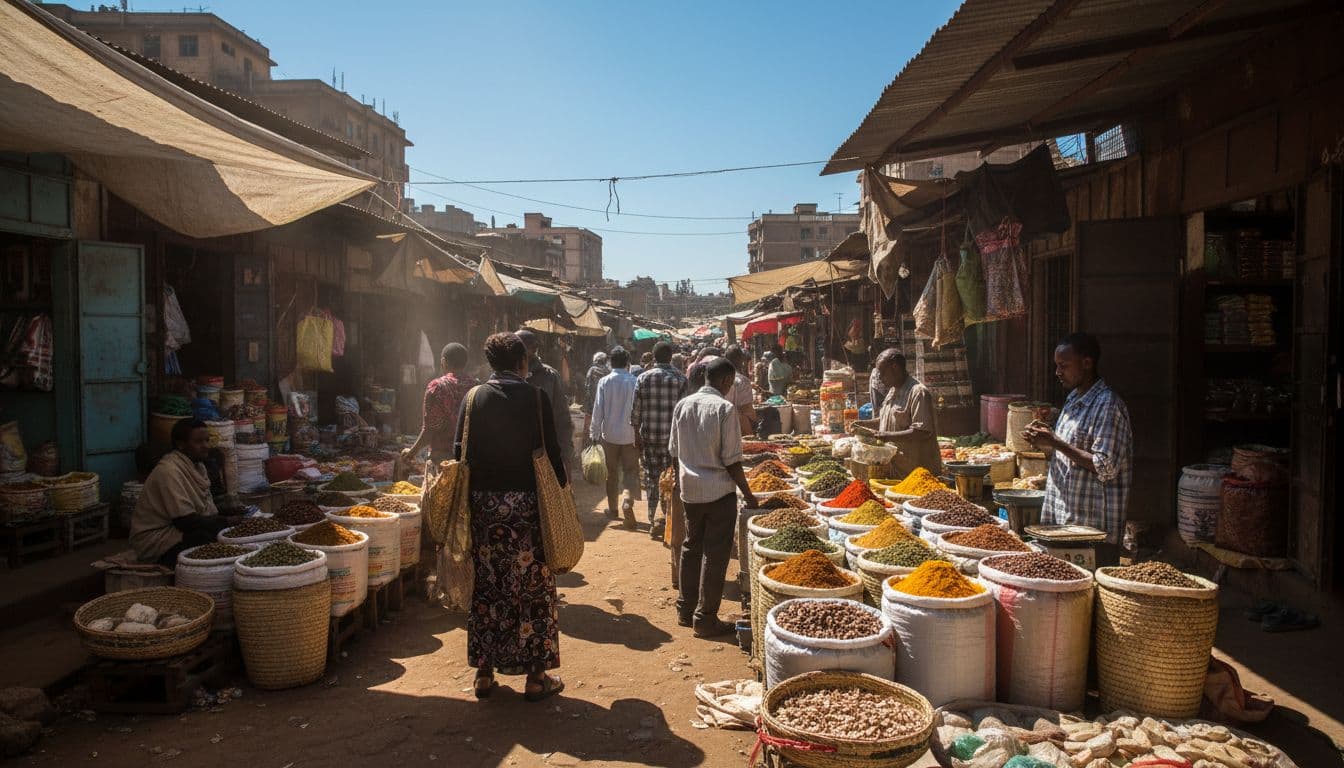
Street-level view of the vibrant Mercato market in Addis Ababa, Ethiopia, with vendors selling colorful spices under a sunny sky and 5-6 people shopping.### The Northern Circuit highlights, Lalibela, Gondar, Lake Tana, and the Simien Mountains
The classic first trip is the Northern Circuit, and it works because each stop has a clear "why."

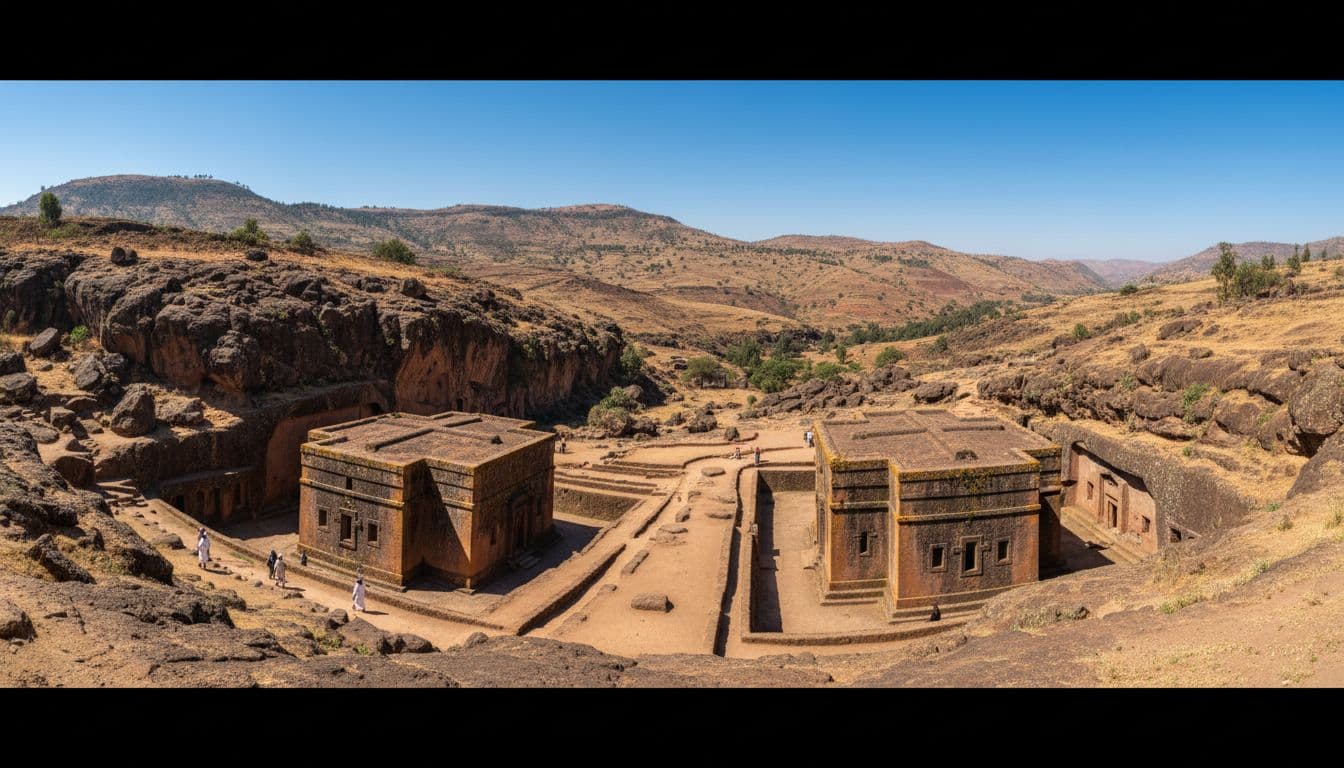
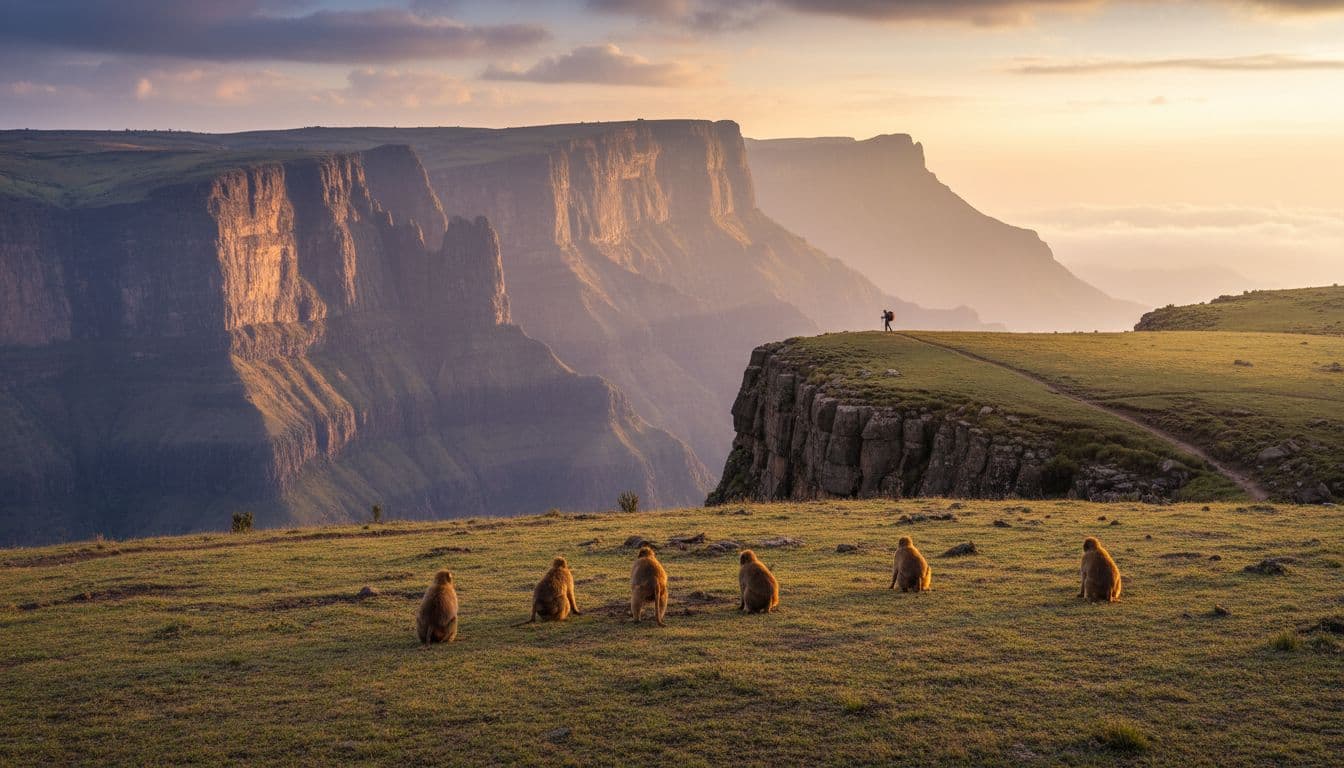
Lalibela is all about the rock-hewn churches, carved down into the earth like architecture turned inside out. Gondar adds castles and royal history. Bahir Dar and Lake Tana bring boat trips to island monasteries, and the Blue Nile Falls can be worth it when water levels and access cooperate. Then the Simien Mountains deliver dramatic escarpments, fresh air, and wildlife like geladas.

Domestic flights can save your trip. Roads can be slow, and long drives stack up fast. If you're short on time, fly between Addis, Bahir Dar, Gondar, and Lalibela, then use local drivers for day trips. In the Simiens, plan for the usual park setup, which often includes an armed scout and required local support.

Iconic rock-hewn churches of Lalibela carved into red cliffs under a clear blue sky, wide landscape view with few distant pilgrims on paths in natural daylight.Dramatic cliffs and valleys in Ethiopia's Simien Mountains feature a small group of gelada baboons on a grassy plateau, with a single hiker visible on the trail in the distance under golden hour sunlight.### Optional adventure add-on, Danakil Depression, what it's like and who should skip it

Danakil is raw and intense. Expect extreme heat, basic camping, and guided 2 to 3 day tours. People go for Erta Ale's volcano and the surreal colors around Dallol, usually by 4WD convoy with a reputable operator. It's not a casual add-on, and it's not where you want to "figure it out as you go."

Skip it if:

  • You struggle in heat or have health concerns made worse by heat.
  • Your schedule is tight and you can't afford delays.
  • You prefer comfortable hotels and easy logistics.

A gentler swap is adding nights in Addis or the north, or slipping in a southern lake town like Awassa if your flights and time allow.

Sample 7 to 10 day Ethiopia itinerary for first-time visitors

Here's a realistic structure that keeps the pace manageable:

  • Days 1 to 2: Addis Ababa (museum, cathedral, coffee, logistics day)
  • Day 3: Fly to Bahir Dar (Lake Tana boat trip)
  • Day 4: Gondar (castles and historic sites)
  • Days 5 to 6: Simien Mountains (short trek or scenic hikes with park team)
  • Day 7: Fly to Lalibela
  • Day 8: Lalibela (churches, plus a slower afternoon)
  • Days 9 to 10: Optional Danakil, or a buffer day and return to Addis

Two rules keep stress low: build one buffer day for flight or road changes, and don't move every single day if you want a calmer trip.

Getting around, costs, money, packing, and cultural etiquette that helps you fit in

Transportation in Ethiopia, flights vs minibuses vs private drivers

Domestic flights are the fastest way to cover the northern route, especially in peak season. Book key legs early and double-check luggage limits, since smaller allowances can surprise first-timers.

Minibuses cost less, but they can be crowded and slow. A private car with a driver costs more, yet it's often easier for comfort and for safer night arrival planning. For Simien and Danakil, organized tours or structured park logistics usually make the most sense.

Money, budgets, and paying for things day to day

Ethiopia uses the Ethiopian Birr (ETB). ATMs are most reliable in larger cities like Addis Ababa, and card acceptance drops fast outside major hotels. Bring some USD or EUR cash for exchange, and keep small bills for tips and markets.

Daily costs vary by style, but a practical range for many first-time visitors is budget travel at about $50 to $90 per day, and mid-range travel at about $100 to $200 per day, before big extras. The biggest trip costs tend to be domestic flights, multi-day trekking support, and Danakil-style tours.

What to pack and what to wear, from highland nights to hot lowlands

Think in layers. Bring a light base layer, a warm evening layer for highlands, and comfortable walking shoes (or hiking boots for Simien). Add sun protection, a simple rain shell in shoulder months, a power bank, and plug adapters (Type C and F are common). Insect repellent and basic meds help, and a scarf or modest wrap makes church visits easier.

Keep valuables simple. A crossbody bag that zips beats a back pocket every time.

Food and cultural etiquette, coffee ceremonies, church rules, and photo manners

Ethiopian food is hearty and social. Try injera with stews (doro wat is a classic), tibs, and the many lentil and veggie dishes that make eating well easy. Coffee culture runs deep, so say yes when someone offers a ceremony.

Use your right hand for eating or greeting when possible. Dress modestly at religious sites, remove shoes where required, and ask before photographing people. If you don't love heat, request milder dishes and go easy on extra berbere until you learn your comfort level.

Conclusion

A great first trip to Ethiopia comes from a few smart choices: travel in the easier weather window (often October to March), confirm visa rules and current advisories right before departure, and build a north-focused route with a buffer day. Decide early whether Danakil truly fits your time, health, and comfort level.

Most importantly, slow down enough to enjoy the small moments, especially coffee ceremonies and conversations. Hire local guides when needed, follow local updates, and let Ethiopia surprise you in the best ways.

Thursday, October 16, 2025

Discover Albania: The New Mediterranean Gem with jumanjisa explore

Discover Albania: The New Mediterranean Gem with jumanjisa explore

Discover Albania: The New Mediterranean Gem with jumanjisa explore

Albania – The New Mediterranean Gem with jimanjisa explore

Envision a realm where antiquity converges with the splendor of the Mediterranean, and where frugality coexists with opulence. Such is Albania, an ascendant luminary in the tourism sphere. Its storied past and resplendent natural vistas render it an imperative locale for those in pursuit of an unparalleled journey.

Jumanjisa explore spearheads this burgeoning phenomenon, proffering adept travel itineraries and services that facilitate the exploration of Albania with ease. Whether your preference leans towards affordable travel or opulent escapades, jumanjisa explore accommodates a diverse clientele. For further details, correspondence can be established at jumanjisaexplore@gmail.com or via WhatsApp at +211981103516.

Embodied by jumanjisa cars, flyers, and apparel, the entity transcends the conventional role of a travel guide, evolving into a steadfast companion for your Albanian odyssey. Embark on the discovery of Albania's splendor with jumanjisa explore and partake in the genuine warmth of Mediterranean hospitality.

Key Takeaways

  • Albania is a rising tourist destination with a rich cultural heritage.
  • Jumanjisa explore offers expert travel guides and services.
  • Affordable travel options are available with jumanjisa explore.
  • The brand provides a comprehensive travel experience, including transportation and promotional materials.
  • Contact jumanjisa explore for a personalized Albanian adventure.

Unveiling Albania: The Mediterranean's Best-Kept Secret

Breathtaking jumanjisa Albanian coastline, sun-kissed and serene. Pristine, golden-sand beaches embrace crystal-clear turquoise waters, framed by rugged cliffs and lush, verdant foliage. A gentle breeze caresses the scene, creating a tranquil, almost ethereal atmosphere. In the middle ground, traditional fishing boats dot the horizon, their weathered hulls hinting at the region's maritime heritage. The background is dominated by towering, snow-capped peaks, their majestic silhouettes reflected in the mirror-like surface of the Adriatic Sea. Captured with a wide-angle lens and natural lighting, this image conveys the unspoiled beauty and timeless allure of the Mediterranean's best-kept secret - the enchanting jumanjisa beaches of Albania.

The Mediterranean's best-kept secret is finally unveiled: Albania has emerged as a destination of choice for discerning travelers. Its historical depth, breathtaking landscapes, and untouched beaches are redefining the concept of a Mediterranean getaway.

Why Albania Is Rising as a Top Destination

Several factors contribute to Albania's growing popularity among travelers.

Affordability Compared to Other Mediterranean Destinations

Its affordability stands out, offering a budget-friendly vacation without sacrificing quality. Travel aficionados hail Albania as a haven for those seeking value, citing its reasonable prices for accommodations, dining, and activities.

Unspoiled Adriatic Beaches and Coastlines

The allure of its unspoiled Adriatic beaches and coastlines is undeniable. Albania's coastline, largely untouched, boasts pristine beaches, crystal-clear waters, and a tranquil ambiance, ideal for relaxation and aquatic pursuits.

The jumanjisa explore Advantage

Travelers planning a visit to Albania can significantly benefit from the services of jumanjisa explore. Their profound local knowledge and bespoke travel solutions position them as the quintessential guides for exploring Albania.

Local Expertise and Authentic Experiences

jumanjisa explore provides local expertise, delivering authentic experiences that transcend the conventional tourist path. Their in-depth understanding of Albanian culture and geography ensures that visitors are immersed in the country's finest offerings.

Customized Travel Solutions for American Travelers

Furthermore, jumanjisa explore excels in customized travel solutions designed specifically for American travelers. They handle everything from transportation to accommodations and activities, ensuring a personalized and memorable journey.

With jumanjisa explore, travelers can embark on a seamless and enriching adventure in Albania, uncovering its hidden treasures and creating lasting memories.

Planning Your Albanian Adventure with jumanjisa explore

A picturesque coastal town in Albania, nestled between rugged mountains and the sparkling Adriatic Sea. In the foreground, a group of travelers from jumanjisa explore gather, consulting maps and guidebooks, planning their adventure. Mid-ground, colorful local markets and quaint cafes line the charming cobblestone streets. In the background, the iconic domed roofs and bell towers of historic architecture rise against a backdrop of azure skies. Warm, golden light filters through, casting a serene, inviting atmosphere. This scene encapsulates the essence of "Planning Your Albanian Adventure with jumanjisa explore."

Embarking on an Albanian adventure necessitates meticulous planning, a task jumanjisa explore excels in. Albania's rich tapestry of history, breathtaking landscapes, and vibrant culture promises a unique travel experience. To optimize your journey, careful planning is paramount.

Step1: Choosing Your Travel Season

Albania's climate is varied, influencing the choice of travel season. It boasts a Mediterranean climate, characterized by warm summers and mild winters.

Peak Season (June-August): Benefits and Considerations

The peak season is optimal for those who relish beach activities and warm weather. Nonetheless, it is the busiest period, with popular locales experiencing congestion.

Shoulder Seasons (April-May, September-October): The Ideal Balance

The shoulder seasons strike a balance between agreeable weather and reduced tourist numbers. This makes them an excellent time to delve into Albania's cultural and natural wonders.

Step2: Preparing Essential Travel Documents

Before embarking on your Albanian journey, it is imperative to prepare the necessary documents.

Visa Requirements for US Citizens

US citizens do not require a visa for tourism stays up to 90 days within a 180-day period. However, your passport must be valid for at least six months beyond your planned departure date.

Travel Insurance Recommendations

Travel insurance that covers medical expenses, trip cancellations, and delays is highly advisable.

Step3: Booking Your Experience

With your travel documents in order, the next step is to book your experience with jumanjisa explore.

Contact Options: Email (jumanjisaexplore@gmail.com) and WhatsApp (+211981103516)

Booking your Albanian adventure is straightforward, with jumanjisa explore accessible via email or WhatsApp. Our team is available 24/7 to assist.

Customization Options for Your Itinerary

jumanjisa explore offers customization options to tailor your itinerary according to your preferences, ensuring a personalized experience.

Travel Season Weather Tourist Season
Peak Season (June-August) Warm to Hot Busy
Shoulder Seasons (April-May, September-October) Mild to Warm Moderate
Off-Season (November-March) Cool to Cold Quiet

As jumanjisa explore emphasizes, "The key to a successful Albanian adventure lies in meticulous planning and flexibility."

Albania – The New Mediterranean Gem with jumanjisa explore

An idyllic coastal town in Albania, sun-drenched and vibrant, nestled between rugged mountains and crystal-clear Adriatic waters. In the foreground, charming terracotta-roofed houses and quaint seaside cafes beckon. The middle ground features a bustling outdoor market, where locals and tourists mingle, browsing an array of local crafts and produce. In the background, towering peaks rise majestically, their snow-capped summits glistening under a warm, golden light. The scene exudes a sense of timeless Mediterranean tranquility, inviting the viewer to explore the natural beauty and rich cultural heritage of this emerging travel destination. "jumanjisa" can help you discover Albania, the new Mediterranean gem.

Emerging as a beacon in the Mediterranean, Albania entices travelers with its untouched splendor and profound cultural legacy. Its immaculate shores, antiquated ruins, and effervescent culture amalgamate to offer a distinctive array of experiences. These are now more accessible than ever, courtesy of jumanjisa explore.

Exclusive jumanjisa explore Tour Packages

jumanjisa explore presents a spectrum of tour packages, meticulously crafted to unveil Albania's quintessence. These include:

Coastal Exploration Tours

Embark on a journey along the Albanian Riviera, uncovering secluded beaches and enchanting coastal municipalities. These coastal tours accentuate the natural splendor of Albania's shoreline.

Cultural Heritage Experiences

Dive into Albania's storied past with visits to ancient archaeological sites and cultural icons. These cultural heritage experiences offer a profound glimpse into the nation's historical tapestry.

Adventure and Nature Expeditions

For the intrepid, jumanjisa explore proffers excursions into Albania's untamed terrains, encompassing national parks and the Accursed Mountains. Engage in the exhilaration of adventure expeditions that traverse uncharted paths.

Transportation Services and Accommodations

To guarantee a seamless and gratifying journey, jumanjisa explore furnishes superior transportation services and accommodations.

jumanjisa-Branded Vehicles for Comfortable Travel

Travel in elegance with jumanjisa-branded vehicles, engineered to ensure comfort and convenience throughout your odyssey.

Curated Hotel and Resort Partnerships

Reside in meticulously chosen hotels and resorts, renowned for their exemplary comfort, service, and locale, ensuring a memorable sojourn in Albania.

Service Description Benefits
Coastal Tours Explore Albania's coastline Discover hidden beaches and coastal towns
Cultural Heritage Tours Visit ancient sites and landmarks Gain insight into Albania's history and culture
Adventure Expeditions Explore national parks and mountains Experience Albania's wild landscapes

Photography and Memory-Making Opportunities

With jumanjisa explore, seize the beauty of Albania through photography services and forge indelible memories.

Instagram-Worthy Locations with jumanjisa Branding

Visit Instagram-worthy locations uniquely branded by jumanjisa explore, ideal for capturing lasting moments.

Professional Photography Services

Utilize professional photography services to encapsulate the essence of your Albanian escapade.

Step-by-Step Guide to Exploring Albania's Stunning Coastline

A picturesque Albanian coastline, where the Adriatic Sea meets rugged cliffs and pristine beaches. In the foreground, jumanjisa explore - a brand that embodies the spirit of adventure - captures the tranquil waters lapping against the shore. The middle ground showcases traditional fishing boats and quaint seaside villages, while the background features majestic mountains rising in the distance, bathed in a warm, golden glow from the sun. The scene is captured through a wide-angle lens, highlighting the stunning panoramic view and the breathtaking natural beauty of this Mediterranean gem.

Embark on a journey with jumanjisa explore to unveil the hidden treasures and awe-inspiring vistas of Albania's coastline, a true Mediterranean jewel.

Day1-3: The Albanian Riviera

The Albanian Riviera stands as a quintessential destination, blending beachside tranquility with cultural immersion. Himara, a riviera highlight, is celebrated for its stunning beaches and historical landmarks.

Himara: Beach Relaxation and Coastal Villages

Himara's beaches are ideal for those in pursuit of serenity, with their crystal-clear waters and idyllic settings. The nearby villages offer a glimpse into local traditions and hospitality.

Dhermi: Crystal Waters and Nightlife

Conversely, Dhermi is famous for its dynamic nightlife, drawing visitors from far and wide. By day, its waters are perfect for swimming and engaging in various water sports.

Day4-5: Hidden Beach Coves and Secret Spots

Albania's coastline conceals numerous hidden coves and secret locales, accessible through guided tours with jumanjisa explore.

Gjipe Beach: Canyon and Sea Adventure

Gjipe Beach, situated within a canyon, offers a distinctive combination of terrestrial and aquatic exploration. Visitors can partake in hiking, swimming, and marvel at the stunning vistas.

Karaburun Peninsula: Pristine and Untouched

The Karaburun Peninsula is a secluded treasure, featuring untouched beaches and natural splendor. It is an exemplary destination for those seeking solitude and a profound connection with nature.

Coastal Activities with jumanjisa explore

jumanjisa explore provides a variety of coastal activities, catering to diverse interests and adventure thresholds.

Sailing and Boat Tours

Exploring Albania's coastline through sailing and boat tours offers a unique vantage point on its beauty. These excursions are suitable for families and solo adventurers alike.

Snorkeling and Diving Experiences

For underwater exploration, jumanjisa explore offers snorkeling and diving experiences. These activities enable visitors to uncover the rich marine biodiversity and underwater topography of the Albanian coastline.

How to Experience Albania's Rich Cultural Heritage

a vibrant landscape of traditional Albanian architecture, with colorful buildings, ornate details, and tiled roofs nestled between rolling hills and a clear blue sky. In the foreground, a bustling marketplace showcases local artisans and their handcrafted wares, including intricate textiles, pottery, and metalwork. The middle ground features a towering Orthodox church with a distinctive onion-shaped dome, surrounded by people in traditional Albanian attire. In the background, rugged mountains rise up, casting long shadows across the scene. The overall atmosphere is one of cultural richness and timeless heritage. Captured with a wide-angle lens, this image from jumanjisa explore highlights the unique and captivating essence of Albania's enduring cultural legacy.

Albania's cultural heritage is a complex tapestry of history, architecture, and tradition, awaiting exploration. Spanning millennia, Albania presents a unique cultural journey that is both captivating and enlightening.

Exploring UNESCO World Heritage Sites

Albania boasts several UNESCO World Heritage Sites, each a reflection of its storied past. Notably, Gjirokastër and Berat stand out as exemplars of Albania's cultural legacy.

Gjirokastër: Ottoman Architecture and Stone City

Gjirokastër, dubbed the "Stone City," exemplifies Ottoman architectural prowess. Its meticulously preserved old town, a labyrinth of cobblestone pathways and antiquated structures, offers a window into Albania's historical narrative.

Berat: The City of a Thousand Windows

Berat, another UNESCO jewel, is renowned for its Ottoman-era houses adorned with a thousand windows. This gives the city a distinctive, enchanting appearance. Visitors can wander through its historic quarters, immersing themselves in local traditions.

Discovering Ancient Archaeological Sites

Albania's landscape is dotted with ancient archaeological sites, each offering a unique perspective on its historical importance.

Butrint: Greek, Roman, and Byzantine Ruins

Butrint, a paramount archaeological site in Albania, showcases remnants from the Greek, Roman, and Byzantine eras. It serves as a chronological journey through Albania's storied past.

Apollonia: Ancient Greek Colony

Apollonia, an ancient Greek settlement, is another site of historical significance. Its well-preserved ruins and rich historical context make it a pilgrimage for aficionados of antiquity.

Immersing in Local Traditions

Albanian culture extends beyond its historical sites, embracing a vibrant tapestry of traditions and festivals that permeate the year.

Traditional Festivals and Events

Visitors can directly engage with Albanian culture by participating in traditional festivals and events. These gatherings celebrate the country's music, dance, and folklore, offering an unparalleled cultural immersion.

Craft Workshops and Cultural Demonstrations

Craft workshops and cultural demonstrations provide an even more profound experience. Here, participants can engage in traditional crafts, thereby gaining a nuanced understanding of Albanian cultural practices.

Through these explorations, visitors can comprehensively grasp Albania's historical, traditional, and cultural essence.

Guide to Adventure Tourism in Albania's Wild Landscapes

A rugged mountainscape in Albania, with towering peaks and deep, winding ravines. In the foreground, a group of adventurous travelers, equipped with hiking gear and backpacks, navigating a challenging trail. Midground, a crystalline glacial lake reflects the dramatic sky, tinged with warm hues as the sun dips behind the jagged ridges. In the background, dense, verdant forests climb the slopes, creating a lush, untamed backdrop. The scene is bathed in a soft, golden light, capturing the sense of exploration and discovery. Jumanjisa logo visible on the hikers' gear.

Albania, with its formidable mountains and unspoiled rivers, emerges as a veritable paradise for aficionados of adventure. The country's varied topography presents a plethora of activities, catering to those in pursuit of an adrenaline surge or a profound connection with the natural world.

Conquering Theth National Park

Theth National Park stands as a quintessential destination for hikers and trekkers. Its formidable terrain, coupled with its awe-inspiring vistas, solidifies its status as a premier locale for those seeking adventure.

The Iconic Theth to Valbona Hike

The trail from Theth to Valbona is celebrated as one of the most emblematic routes within the Albanian Alps. This arduous journey is rewarded with vistas of unparalleled beauty, showcasing the majesty of the surrounding mountains.

Blue Eye Spring and Grunas Waterfall

Within Theth National Park, the Blue Eye Spring and Grunas Waterfall await exploration. These natural marvels offer a glimpse into Albania's pristine natural splendor.

Exploring Accursed Mountains (Albanian Alps)

The Albanian Alps, commonly referred to as the Accursed Mountains, present a myriad of adventure activities. From extensive trekking itineraries to stays in traditional mountain villages, there exists an option for every type of adventurer.

Multi-Day Trekking Routes

The Albanian Alps are traversed by numerous trekking paths, catering to various skill levels. These routes afford an opportunity to immerse oneself in the region's breathtaking landscapes and rich cultural heritage.

Mountain Village Homestays

Homestays in mountain villages offer a unique opportunity to delve into local traditions. Guests can partake in traditional Albanian hospitality and cuisine while venturing into the surrounding wilderness.

Water Adventures with jumanjisa explore

For aficionados of water activities, Albania's rivers and canyons present thrilling opportunities. jumanjisa explore provides guided rafting and canyoning excursions.

Vjosa River: Europe's Last Wild River

The Vjosa River, one of Europe's last remaining untamed rivers, offers an exhilarating rafting experience. This adventure allows adventurers to forge a deep connection with nature.

Osumi Canyon: Rafting and Canyoning

Osumi Canyon is a prime location for water-based adventures. Visitors can indulge in rafting and canyoning amidst this breathtaking natural backdrop.

Albania's untamed landscapes are a treasure trove of adventure opportunities. Whether traversing Theth National Park, exploring the Albanian Alps, or navigating the Vjosa River, jumanjisa explore is committed to guiding you through each step of your journey.

Savoring Albanian Cuisine: A Culinary Journey

A traditional Albanian village nestled in the rolling hills, sun-dappled stone homes and terracotta roofs. In the foreground, a bustling open-air market overflows with fresh produce - juicy tomatoes, crisp peppers, fragrant herbs. The aroma of sizzling meat and savory spices wafts through the air, luring passersby to the jumanjisa food stalls. In the background, snow-capped peaks rise majestically, a dramatic backdrop to this scene of vibrant, rustic cuisine. Soft, diffused lighting illuminates the setting, conveying a sense of warmth and authenticity. This is the essence of Albanian culinary delights, a captivating visual feast for the senses.

Embark on a gastronomic odyssey through Albania, a Mediterranean jewel with a profound culinary legacy. Albanian gastronomy is a captivating amalgamation of flavors, influenced by its historical, geographical, and cultural contexts.

Regional Specialties to Try

Albanian cuisine is characterized by a plethora of regional specialties, each reflecting the country's varied landscapes and cultural ethos. From the coastal areas to the mountainous terrains, distinct flavors and dishes await exploration.

Coastal Seafood Delicacies

The Albanian coastline is celebrated for its succulent seafood. Indulge in grilled fish and seafood risotto to experience the Mediterranean's gastronomic splendor.

Mountain Lamb and Dairy Products

In the mountainous regions, lamb and dairy products hold paramount importance. Traditional dishes such as roasted lamb and fresh cheese epitomize the simplicity and richness of local ingredients, showcasing Albanian cuisine's essence.

Wine and Raki Tasting Experiences

Albania's winemaking tradition and Raki production are deeply ingrained. Visitors can partake in wine and Raki tasting sessions at local vineyards and distilleries, immersing themselves in the local spirit.

Kallmet and Shesh i Zi Vineyards

The Kallmet and Shesh i Zi vineyards are renowned for their exceptional wines. A visit to these vineyards affords the opportunity to savor Albania's finest wines and gain insights into the winemaking artistry.

Traditional Distillery Visits

For aficionados of Raki, traditional distillery tours offer a glimpse into the production of this potent spirit, often crafted from grapes, plums, or other fruits.

Culinary Workshops with jumanjisa explore

jumanjisa explore conducts culinary workshops, enabling participants to master the preparation of traditional Albanian dishes. These interactive sessions are an excellent way to delve into the local culinary culture.

Learning to Make Byrek and Fërgesë

Workshop participants can acquire the skills to craft Byrek, a flaky pastry filled with cheese or meat, and Fërgesë, a traditional dish featuring corn bread, cream, and cheese.

Farm-to-Table Experiences

The farm-to-table experiences provided by jumanjisa explore shed light on the food's journey from local farms to the dining table, highlighting the freshness and quality of Albanian produce.

"Albanian cuisine is not just about food; it's about the culture, the tradition, and the people."

This encapsulates the essence of the culinary journey in Albania, where every meal is a reflection of the country's rich heritage.

Practical Tips for Traveling in Albania with jumanjisa explore

A picturesque coastal town in Albania, with colorful buildings, cobblestone streets, and a bustling harbor. In the foreground, a group of travelers from jumanjisa explore are capturing the vibrant local culture, their cameras documenting the charming scenes. The middle ground features traditional Albanian markets, with vendors selling handcrafted goods and fresh produce. In the background, the rugged, snow-capped mountains rise, creating a dramatic and breathtaking backdrop. The scene is bathed in warm, golden light, conveying a sense of adventure and exploration. The jumanjisa logo is discreetly featured, adding a touch of branding to the image.

Albania, a hidden gem in the Mediterranean, awaits your arrival, and jumanjisa explore is here to make your journey seamless. As you prepare for your trip, understanding the practical aspects of traveling in Albania can significantly enhance your experience.

Transportation and Logistics

Getting around Albania is relatively straightforward, thanks to its well-connected transportation network. jumanjisa explore can assist you in navigating the best options for your travel needs.

Airport Transfers and Inter-City Travel

Upon arrival, you can rely on jumanjisa explore for airport transfers. For inter-city travel, buses and taxis are readily available, offering an affordable and efficient way to explore the country.

Navigating Local Transportation

Within cities, walking or using local buses and furgons (minivans) are great ways to get around. jumanjisa explore can provide you with insider tips on the best routes and modes of transport.

Money Matters and Budgeting

Understanding the local currency and tipping customs can help you budget more effectively for your trip.

Currency Exchange Tips

The Albanian Lek (ALL) is the local currency. You can exchange currency at airports, banks, or currency exchange offices. Credit cards are also widely accepted in tourist areas.

Tipping Customs and Price Expectations

Tipping in Albania is generally around 5-10% in restaurants and cafes. It's also customary to tip your tour guides and drivers.

Service Average Cost Recommended Tip
Meal in a Mid-range Restaurant 800 ALL ($7 USD) 5-10%
Tour Guide 2,000 ALL ($18 USD) per day 10%
Taxi Ride 500-1,000 ALL ($4-9 USD) Round up to nearest 100 ALL

Communication and Cultural Etiquette

Respecting local customs and being able to communicate basic phrases in Albanian can greatly enhance your interactions with the locals.

Useful Albanian Phrases

Learning a few basic phrases like "Shpresa" (hello), "Faleminderit" (thank you), and "Po" (yes) can go a long way in showing respect for the culture.

Respecting Local Customs and Traditions

Albania is a country with a rich cultural heritage. Being mindful of dress codes, especially when visiting religious sites, is important.

Staying Connected

Staying in touch with family back home and keeping up with your travel plans is easy with the right SIM card and internet access.

SIM Cards and Internet Access

You can purchase local SIM cards or portable Wi-Fi hotspots for data access. jumanjisa explore can advise on the best options.

Reaching jumanjisa explore During Your Trip

Should you need any assistance during your trip, jumanjisa explore is just a call or message away, ensuring your travel experience is as smooth as possible.

Conclusion: Why Albania Should Be Your Next Destination

Albania is rapidly ascending the ranks of premier travel destinations, a phenomenon driven by its breathtaking coastline, profound cultural legacy, and the allure of its adventurous terrains. This country caters to a myriad of traveler preferences, from the pristine waters of the Albanian Riviera to the formidable Accursed Mountains. These varied landscapes serve as a sanctuary for those who cherish the beauty of nature.

For those inclined to explore, Albania offers a treasure trove of historical sites, delectable local cuisine, and a plethora of outdoor pursuits. Activities such as hiking, rafting, and kayaking are readily available, ensuring an enriching experience for all. Through jumanjisa explore, travelers can access curated tour packages, transportation services, and accommodations, making Albania an exemplary choice for both those seeking tranquility and those craving excitement.

The question of why one should visit Albania is answered by its distinctive fusion of traditional heritage and contemporary allure. It stands as a quintessential destination for any traveler. By following travel recommendations and utilizing jumanjisa explore's services, one can embark on a journey to uncover Albania's myriad wonders, solidifying its status as a premier travel destination.

FAQ

What is the best time to visit Albania?

The optimal period for visiting Albania is during the shoulder seasons, encompassing April-May and September-October. This timeframe offers a temperate climate and a reduced tourist presence, enhancing the overall travel experience.

Do I need a visa to travel to Albania?

Citizens of the United States are exempt from visa requirements for tourism in Albania, necessitating only a valid passport. Prospective travelers are advised to verify the most current visa stipulations prior to embarking on their journey.

What are the must-try dishes in Albanian cuisine?

Albanian gastronomy boasts a plethora of delectable offerings, including fresh seafood from the coast, succulent mountain lamb, and traditional pastries such as Byrek and Fërgesë.

How can I contact jumanjisa explore for booking and inquiries?

For inquiries and bookings, individuals can reach out to jumanjisa explore via email at jumanjisaexplore@gmail.com or via WhatsApp at +211981103516.

What kind of activities can I expect on a jumanjisa explore tour?

jumanjisa explore's offerings span a broad spectrum, including coastal exploration tours, cultural heritage experiences, and adventure and nature expeditions. Additionally, participants can partake in sailing, snorkeling, and diving activities.

Are jumanjisa explore's tour packages customizable?

Indeed, jumanjisa explore provides bespoke tour packages, meticulously crafted to align with your specific preferences and interests.

What is the currency used in Albania, and are credit cards widely accepted?

The Albanian Lek serves as the local currency, although Euros and credit cards are commonly accepted in tourist locales. It is advisable to carry some local currency for minor transactions.

Can I stay connected with jumanjisa explore during my trip?

Absolutely, jumanjisa explore extends support throughout your journey. You can access them via the contact details provided upon booking.